Sustainable Construction in the UK: Green Building Trends
Author : Cole Walter | Published On : 25 Mar 2026
The construction industry in the UK is undergoing a significant transformation, as sustainability and environmental responsibility become central to modern building practices. With climate change concerns and stricter regulations, developers, homeowners, and contractors are increasingly adopting eco-friendly strategies. Sustainable construction not only reduces the environmental footprint but also enhances long-term cost efficiency, energy savings, and occupant well-being.
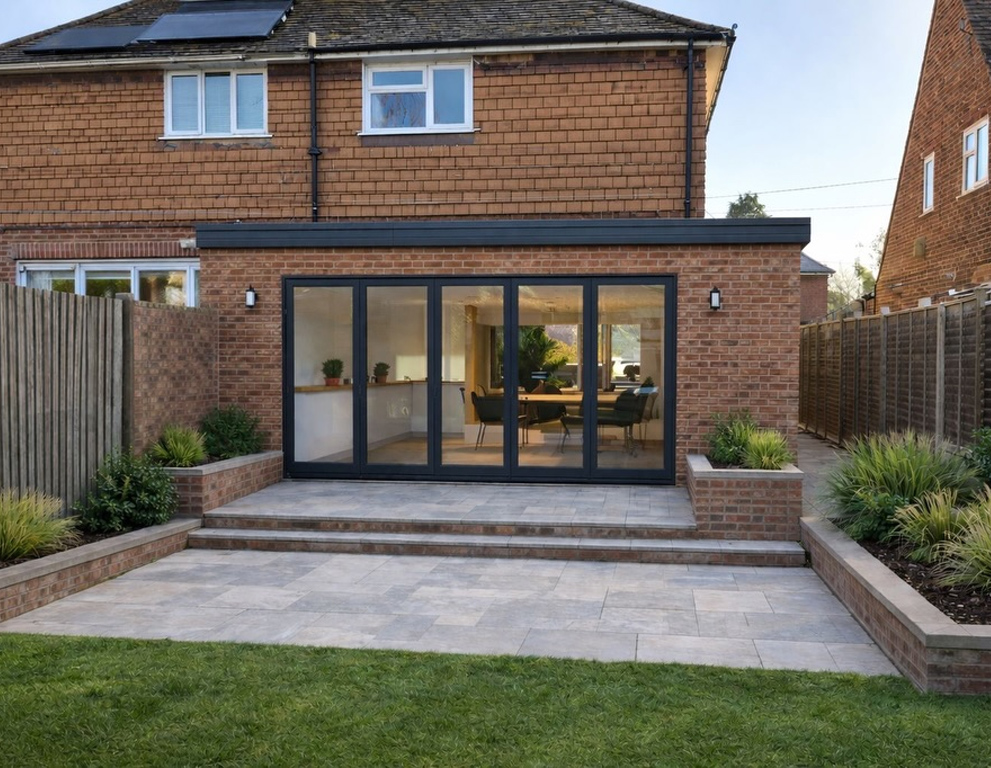
The Rise of Green Building
Green building refers to the practice of designing, constructing, and operating structures in an environmentally responsible and resource-efficient way. In the UK, the trend is gaining momentum as both public and private sectors recognize the importance of sustainable development. From energy-efficient homes to low-carbon commercial buildings, the focus is shifting toward practices that minimize waste and maximize efficiency.
Key drivers of this trend include:
-
Government initiatives and incentives promoting energy-efficient buildings.
-
Rising consumer awareness of climate change and sustainable living.
-
Technological advancements in construction materials and methods.
-
The need for compliance with stricter environmental regulations.
Eco-Friendly Materials and Techniques
One of the core aspects of sustainable construction is the choice of materials. Builders in the UK are increasingly turning to eco-friendly options, such as recycled steel, sustainably sourced timber, low-VOC paints, and energy-efficient insulation. These materials help reduce greenhouse gas emissions, improve indoor air quality, and enhance building longevity.
In addition, modern construction techniques are evolving to minimize environmental impact:
-
Modular Construction: Prefabricated components reduce material waste and speed up project timelines.
-
Passive Design: Orientation, insulation, and natural ventilation are optimized to reduce energy consumption.
-
Water Efficiency: Rainwater harvesting systems and low-flow fixtures help conserve water.
Energy Efficiency and Smart Technologies
Sustainable construction is closely linked to energy efficiency. Incorporating renewable energy sources, such as solar panels and ground-source heat pumps, can significantly reduce a building’s carbon footprint. Moreover, smart building technologies allow homeowners and businesses to monitor and optimize energy use in real time.
For instance, energy management systems can automatically adjust heating, lighting, and ventilation based on occupancy, ensuring minimal energy wastage. These technologies not only reduce operating costs but also make buildings more resilient to future energy challenges.
Regional Focus: Builders and Green Projects
Certain regions in the UK are leading the way in sustainable construction. For example, Builders Tunbridge Wells are increasingly integrating green practices in both residential and commercial projects. Similarly, companies providing Building Work Maidstone services are adopting environmentally conscious strategies, ensuring that their projects meet modern sustainability standards. Even Builders Tonbridge are emphasizing energy-efficient designs, eco-friendly materials, and waste reduction measures, reflecting a growing demand for greener construction across the region.
Benefits of Sustainable Construction
The advantages of sustainable construction extend beyond environmental protection. Key benefits include:
-
Cost Savings: Energy-efficient buildings reduce utility bills and operational costs over time.
-
Healthier Living Spaces: Better air quality, natural lighting, and non-toxic materials contribute to occupant well-being.
-
Enhanced Property Value: Green-certified buildings often command higher resale values and attract environmentally conscious buyers.
-
Regulatory Compliance: Meeting government sustainability standards helps avoid fines and accelerates planning approvals.
-
Community Impact: Sustainable construction fosters responsible urban development and reduces the strain on local resources.
Challenges and Considerations
Despite its many benefits, sustainable construction does present challenges. Higher upfront costs for green materials and technologies can deter some developers. Additionally, finding skilled labor knowledgeable in eco-friendly methods may be difficult in certain areas. Nevertheless, long-term savings, environmental responsibility, and growing consumer demand are strong motivators for continued investment.
Some practical considerations for builders and project managers include:
-
Assessing the life-cycle cost of materials and technologies.
-
Conducting environmental impact assessments before starting construction.
-
Partnering with local suppliers to reduce transportation emissions.
-
Incorporating flexible designs that allow for future energy upgrades.
Future Trends in UK Green Building
The future of sustainable construction in the UK looks promising. Industry experts predict several key trends:
-
Net-Zero Buildings: New regulations will push for buildings that produce as much energy as they consume.
-
Circular Construction: Emphasis on reusing and recycling materials to minimize waste.
-
Integration of AI and IoT: Smart systems will further optimize energy usage and building performance.
-
Green Urban Planning: Sustainable construction will expand beyond individual buildings to encompass entire neighborhoods and cities.
These trends indicate that sustainability will become an integral part of the UK construction industry, reshaping the way homes, offices, and public spaces are built.
Conclusion
Sustainable construction is no longer a niche concept; it is becoming a standard in the UK. With the combined efforts of homeowners, developers, and builders—from Builders Tunbridge Wells to Building Work Maidstone and Builders Tonbridge—green building practices are setting new benchmarks for environmental responsibility, efficiency, and occupant well-being. As technologies advance and consumer awareness grows, the UK construction industry is poised to lead by example in sustainable development, creating buildings that are not only functional and aesthetically pleasing but also kind to the planet.
Key Takeaways:
-
Sustainable construction reduces environmental impact and improves energy efficiency.
-
Eco-friendly materials and smart technologies are central to green building.
-
Regional builders in Kent, including Tunbridge Wells, Maidstone, and Tonbridge, are embracing these practices.
-
Long-term benefits include cost savings, healthier living spaces, and regulatory compliance.
-
The future of UK construction is moving toward net-zero, circular, and technology-integrated solutions.
