Supporting Recovery: How Responsible Medical Suppliers Can Assist People Affected by Cocaine
Author : Luzmcin Jack | Published On : 07 Mar 2026
Companies supplying medical and recovery-support products can play a constructive role in public health—without engaging in or enabling illegal activity. This article outlines legitimate, ethical ways an alternative medical supplier can support people impacted by cocaine use: from providing legal test kits, educational materials, and recovery aids to connecting customers with clinical services.
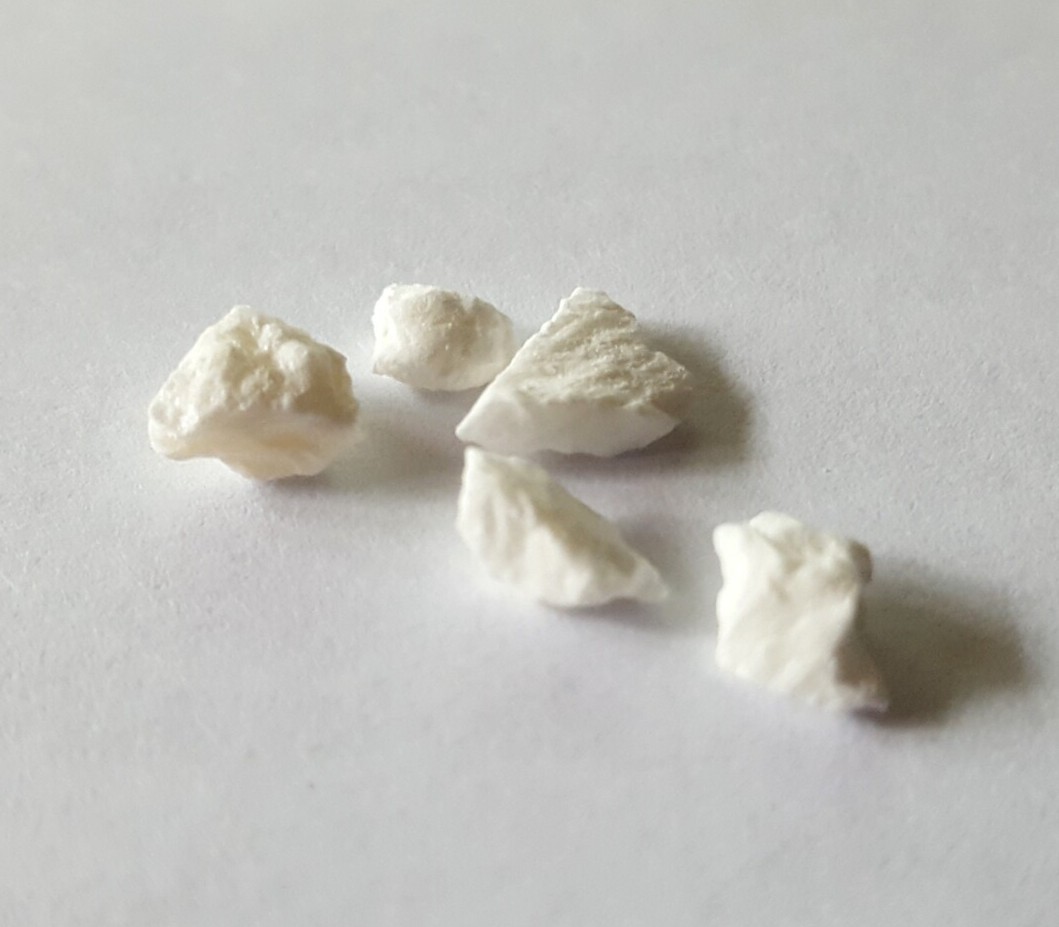
Legal, helpful products and services suppliers can offer
Home drug-testing kits
-
Purpose: Allow individuals to monitor recovery in a private setting. Kits that detect cocaine metabolites (urine or saliva) can be useful when used with clinical oversight.
-
Best practice: Clearly label tests as for “screening” and encourage users to seek confirmatory and clinical follow-up for positive results. Provide instructions on proper sample collection and information on confirmatory testing.
Educational materials and referral resources
-
Printed guides, brochures, and web content on cocaine addiction treatment, harm reduction, and how to contact local treatment services can help people take the next step.
-
Include guidance on recognizing overdose risks, psychiatric emergencies, and where to find urgent medical care.
Overdose response and co-use preparedness
-
Although naloxone treats opioid overdose (not cocaine), combined use of cocaine with opioids is common and dangerous. Supplying naloxone kits and training materials (where legally permissible) is an evidence-based public health practice.
-
Offer information on how and when to use naloxone, and encourage users to seek emergency services when needed.
Basic recovery and wellness supplies
-
Sleep aids (as directed), nutritional supplements, first-aid kits, oral care products, and other supportive items can improve health while someone engages with cocaine addiction treatment.
-
Promote products that support overall physical and mental health, and avoid making unsubstantiated claims about “curing” addiction.
Ethical considerations for suppliers
Privacy and discretion—appropriately applied
Providing discreet packaging and confidential shipping for legitimate medical items respects customer privacy (for example, home test kits or recovery aids). However, discretion must never be used to obscure illegal activity. Suppliers should have clear terms of service, age verification where required, and compliance with local laws.
Clear labeling and lawful marketing
Avoid any messaging that could be interpreted as facilitating illicit drug purchase or distribution. Marketing should focus on legal products, harm reduction, and referral to clinical services.
Partnerships with clinicians and community services
Form relationships with addiction treatment providers, harm-reduction organizations, and public health services so customers can be referred to evidence-based care. Consider providing a vetted list of local treatment centers and helplines.
How testing products can support clinical care
Legitimate cocaine drug test kits can supplement clinical programs—when used with guidance:
-
Use test kits as screening tools paired with advice to seek confirmatory testing.
-
Offer clear instructions and links to resources on interpreting results and connecting to cocaine addiction treatment services.
Conclusion
An alternative medical supplier can offer meaningful, lawful support to people affected by cocaine by supplying approved home test kits, educational resources, naloxone (when appropriate), and wellness products—always paired with clear guidance to seek professional care. Prioritize safety, legality, and transparent communication: the best outcome is that customers get the help they need to enter evidence-based cocaine addiction treatment and stay connected to supportive services.
