Strategies for Sustainable Growth in Industrial Businesses
Author : Ayesha Diaz | Published On : 27 May 2026
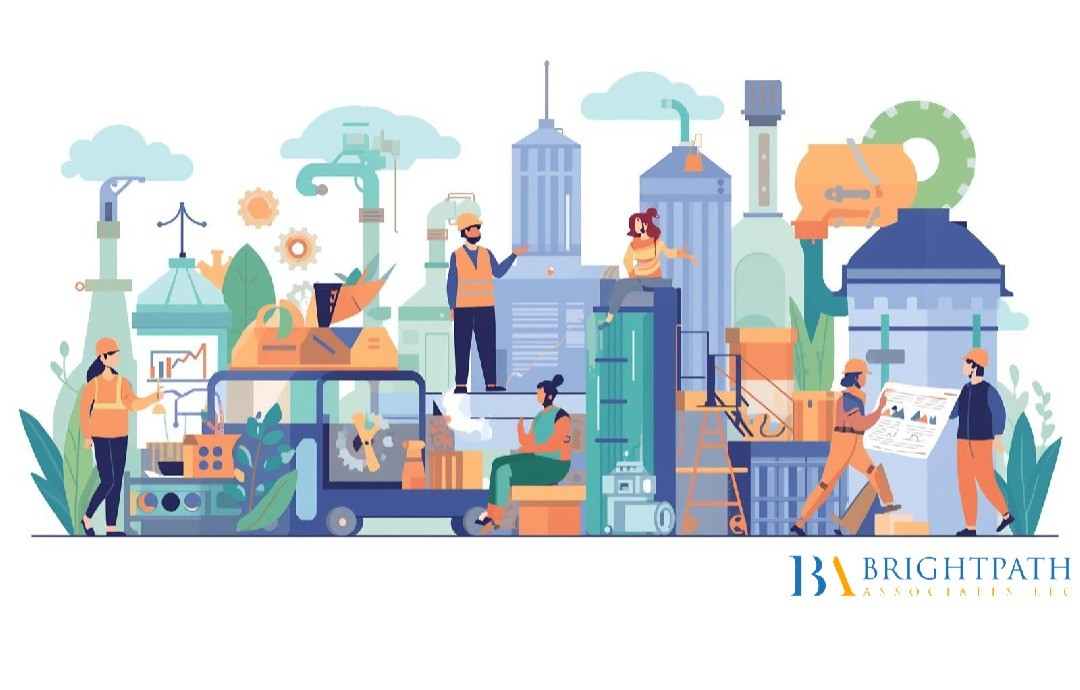
Industrial businesses across the United States are operating in one of the most transformative periods in modern manufacturing history. Rapid technological advancement, supply chain disruption, workforce shortages, rising operational costs, and growing sustainability expectations are forcing companies to rethink how they achieve long-term growth. For small to mid-sized enterprises within the machinery and industrial manufacturing sector, sustainable growth is no longer defined solely by revenue expansion. Today, it involves building resilient operations, embracing innovation, strengthening workforce capabilities, improving environmental responsibility, and creating adaptable business models capable of navigating continuous market change.
The industrial sector has traditionally relied on efficiency, production capacity, and operational scale as primary drivers of competitiveness. However, global economic uncertainty and shifting customer expectations are changing the landscape. Industrial companies are now expected to balance profitability with sustainability, digital transformation, and workforce modernization simultaneously. Organizations that successfully integrate these priorities are often better positioned to remain competitive while improving operational resilience and long-term business stability.
One of the most important strategies for sustainable growth in industrial businesses is embracing advanced technology and automation. Modern manufacturing facilities are increasingly adopting AI-powered systems, robotics, predictive analytics, and Industrial Internet of Things (IIoT) technologies to optimize operations and improve efficiency. Smart manufacturing systems allow businesses to monitor equipment performance in real time, predict maintenance needs, reduce downtime, and streamline production processes. These technologies not only improve productivity but also help companies reduce waste, lower operational costs, and improve sustainability outcomes.
Automation is becoming especially valuable in addressing labor shortages that continue to impact the machinery and manufacturing industries. Many industrial organizations are struggling to recruit skilled technical workers while simultaneously managing increasing production demands. Automated systems help companies maintain operational consistency while enabling employees to focus on higher-value strategic and technical responsibilities. Businesses that invest in intelligent manufacturing technologies are often able to improve scalability and maintain competitiveness even in challenging labor markets.
Digital transformation is also reshaping supply chain management across industrial sectors. Recent global disruptions exposed vulnerabilities within traditional supply chain models, forcing companies to prioritize resilience and flexibility. Industrial organizations are now leveraging cloud-based logistics systems, predictive analytics, and data-driven forecasting tools to improve inventory management and supply chain visibility. These technologies help businesses respond more effectively to market fluctuations while minimizing delays, shortages, and operational inefficiencies. Companies that strengthen supply chain agility are often better equipped to manage uncertainty and maintain customer satisfaction during periods of disruption.
Sustainability initiatives have become another critical component of long-term industrial growth strategies. Customers, investors, and regulatory agencies are placing increasing pressure on businesses to reduce environmental impact and improve operational transparency. Industrial companies are responding by investing in energy-efficient manufacturing systems, waste reduction programs, renewable energy adoption, and sustainable sourcing practices. Sustainability is no longer viewed simply as a compliance issue; it has become a competitive advantage capable of influencing brand reputation, customer loyalty, and investor confidence.
The machinery industry in particular is experiencing growing demand for environmentally responsible manufacturing solutions. Companies that integrate sustainability into product design, production methods, and supply chain operations are often able to strengthen market positioning while meeting evolving regulatory requirements. Organizations seeking deeper industry insights and workforce strategies can explore BrightPath Associates LLC Machinery Industry Practice, which supports industrial businesses through specialized executive recruitment and leadership solutions tailored to the machinery sector.
Innovation remains at the center of sustainable industrial growth. Companies that continuously invest in research, product development, and operational improvement are more likely to adapt successfully to changing market conditions. Advanced manufacturing technologies such as additive manufacturing, digital twins, AI-powered analytics, and intelligent robotics are enabling industrial businesses to improve customization, reduce production waste, and accelerate product development cycles. These innovations are transforming how machinery manufacturers design and deliver solutions while improving overall operational flexibility.
At the same time, customer expectations are evolving rapidly. Industrial buyers increasingly expect greater transparency, faster delivery timelines, higher product quality, and more personalized solutions. Businesses that prioritize customer-centric innovation are often able to strengthen long-term relationships while differentiating themselves from competitors. Digital communication platforms, predictive service models, and data-driven customer insights are helping industrial organizations improve responsiveness and strengthen client engagement strategies.
Workforce development also plays a major role in achieving sustainable growth. As industrial operations become more technologically advanced, the demand for highly skilled talent continues to rise. Companies require professionals with expertise in automation, robotics, AI integration, advanced engineering, data analytics, and operational strategy. Leadership teams capable of managing both technological transformation and workforce adaptation are becoming increasingly valuable across the machinery industry.
This growing need for specialized talent has elevated the importance of strategic recruitment and leadership development. Industrial businesses are actively searching for executives and technical professionals who can drive innovation while maintaining operational excellence. Organizations that invest in workforce development, leadership training, and succession planning are often better prepared to navigate industry disruption and long-term growth challenges.
Financial resilience is another key factor influencing sustainable industrial expansion. Rising material costs, inflationary pressure, and global economic uncertainty are forcing companies to adopt more disciplined financial strategies. Businesses are increasingly focusing on operational efficiency, strategic capital investment, and diversified revenue models to strengthen long-term stability. Organizations that balance innovation with financial discipline are often more capable of sustaining growth during periods of market volatility.
Collaboration and strategic partnerships are also becoming increasingly important within industrial manufacturing. Companies are forming partnerships with technology providers, suppliers, research institutions, and industry specialists to accelerate innovation and improve operational capabilities. Collaborative ecosystems enable organizations to access specialized expertise, reduce development costs, and adapt more quickly to emerging market opportunities.
Data analytics is further transforming industrial decision-making processes. Modern industrial businesses generate vast amounts of operational data that can be leveraged to improve forecasting, maintenance planning, production optimization, and customer service. AI-driven analytics systems are helping companies identify inefficiencies, reduce risk, and improve strategic planning across multiple operational areas. Businesses that effectively use data-driven insights are often better positioned to improve productivity while maintaining agility in highly competitive markets.
Long-term success in the industrial sector increasingly depends on leadership adaptability. Executives must now balance operational efficiency, workforce modernization, digital transformation, sustainability goals, and customer expectations simultaneously. The companies achieving the most sustainable growth are often those led by forward-thinking leadership teams capable of aligning technological innovation with long-term business strategy.
For additional perspectives on operational resilience, industrial innovation, and long-term manufacturing success, readers can explore Strategies for Sustainable Growth in Industrial Businesses, which highlights key approaches industrial companies are using to strengthen competitiveness and future growth potential.
As industrial businesses continue navigating technological disruption, workforce transformation, and sustainability expectations, one important question remains: Is your organization building the leadership, operational resilience, and innovation strategy necessary to achieve sustainable growth in the future of industrial manufacturing?
