Step-by-Step Guide to Renting a Dumpster for Construction Debris
Author : WTR Services | Published On : 03 Jul 2026
Construction projects, whether large or small, generate a significant amount of waste. From broken drywall and concrete to wood scraps, roofing materials, and old flooring, debris can quickly pile up and create safety hazards if it isn't managed properly. That's why renting a dumpster is one of the most efficient ways to keep your job site organized and your project moving forward.
If you've never rented a dumpster before, the process may seem confusing. Fortunately, it's much simpler than most people expect. This step-by-step guide will walk you through everything you need to know about choosing the right rental dumpster, preparing your property, loading debris safely, and scheduling pickup once your project is complete.
Whether you're a homeowner tackling a renovation or a contractor managing a construction site, these tips will help you save time, reduce costs, and simplify waste removal.
Step 1: Understand Your Construction Waste
Before booking a dumpster, take a few minutes to evaluate the type of debris your project will produce. Different construction jobs generate different materials, and knowing what you'll be throwing away helps you select the right dumpster size.
Common construction debris includes:
-
Drywall and plaster
-
Lumber and wood scraps
-
Roofing shingles
-
Concrete and bricks
-
Tile and flooring materials
-
Cabinets and countertops
-
Insulation
-
Metal and piping
-
Windows and doors
-
General demolition debris
Separating recyclable materials whenever possible can also reduce landfill waste and help improve project efficiency.
Step 2: Estimate the Amount of Debris
One of the biggest mistakes people make is renting a dumpster that's too small. Overfilled dumpsters may require additional pickups or result in extra fees.
Ask yourself:
-
How many rooms are being renovated?
-
Are you removing walls or flooring?
-
Will roofing materials be included?
-
Are cabinets, fixtures, or appliances being replaced?
If you're unsure, it's usually better to choose a slightly larger rental dumpster than to risk running out of space halfway through the project.
Step 3: Choose the Right Dumpster Size
Dumpster sizes vary depending on the project. Selecting the right size helps avoid unnecessary expenses while providing enough capacity for your debris.
Here are the most common options:
10-Yard Dumpster
Best for:
-
Small remodeling projects
-
Bathroom renovations
-
Minor demolition
-
Concrete removal
15-Yard Dumpster
Ideal for:
-
Deck removal
-
Small roofing projects
-
Kitchen remodels
-
Garage cleanouts
20-Yard Dumpster
Perfect for:
-
Medium-sized home renovations
-
Flooring replacement
-
Large remodeling jobs
-
Roofing projects
30-Yard Dumpster
Recommended for:
-
Major home additions
-
Commercial remodeling
-
New construction
-
Large demolition projects
40-Yard Dumpster
Best for:
-
Large construction sites
-
Commercial demolition
-
Industrial projects
-
Extensive renovation work
Choosing the proper size ensures you have enough room without paying for unused capacity.
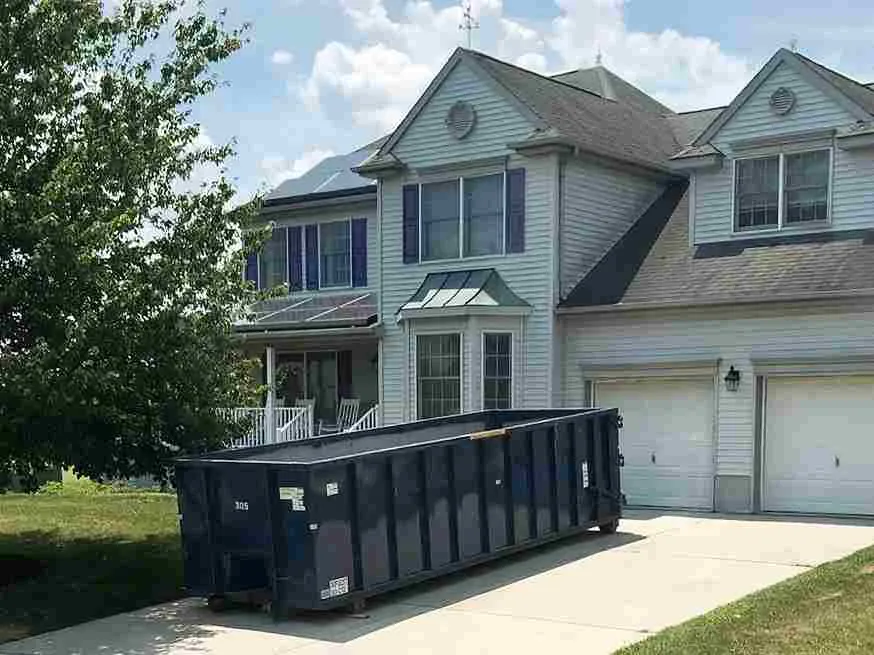
Step 4: Select a Convenient Placement Location
Before your dumpster arrives, decide exactly where it will be placed.
The location should:
-
Be flat and stable
-
Provide enough clearance for delivery trucks
-
Allow workers to access it easily
-
Stay away from power lines or tree branches
-
Avoid blocking sidewalks or traffic
Many homeowners place dumpsters in driveways, while contractors often position them near active work areas to reduce cleanup time.
If you plan to place the dumpster on a public street, check with your local municipality to determine whether a permit is required.
Step 5: Understand What Can and Cannot Go Inside
Although dumpsters accept most construction debris, certain materials are typically prohibited for safety and environmental reasons.
Generally accepted materials include:
-
Wood
-
Drywall
-
Flooring
-
Roofing shingles
-
Brick
-
Concrete
-
Metal
-
Furniture
-
Siding
-
Non-hazardous construction debris
Items commonly prohibited include:
-
Paints
-
Chemicals
-
Motor oil
-
Batteries
-
Tires
-
Propane tanks
-
Asbestos
-
Medical waste
-
Hazardous materials
Always verify disposal guidelines before loading prohibited items.
Step 6: Schedule Your Dumpster Delivery
Once you've selected the right size, schedule delivery before demolition begins.
Having the dumpster delivered in advance allows workers to immediately dispose of debris instead of creating large piles around the property.
When scheduling delivery, consider:
-
Project start date
-
Rental period
-
Estimated completion date
-
Space availability
-
Weather conditions
Planning ahead helps keep your construction schedule on track.
Step 7: Load the Dumpster Properly
Efficient loading maximizes available space and improves safety.
Some helpful tips include:
-
Place flat materials on the bottom.
-
Break down bulky items whenever possible.
-
Distribute weight evenly.
-
Avoid stacking debris above the top edge.
-
Keep walkways clear while loading.
-
Load heavy materials first.
Taking a few extra minutes to organize debris can significantly increase dumpster capacity.
Step 8: Keep Your Worksite Safe
Construction debris creates numerous safety hazards if left scattered across the property.
A dumpster helps reduce:
-
Trip hazards
-
Sharp object exposure
-
Dust accumulation
-
Material damage
-
Workplace injuries
Encourage everyone on the project to dispose of waste immediately rather than leaving debris around the site.
Step 9: Consider Recycling Opportunities
Many construction materials can be recycled instead of ending up in landfills.
Recyclable materials often include:
-
Metal
-
Concrete
-
Asphalt
-
Wood
-
Cardboard
-
Certain plastics
Separating recyclable materials whenever practical supports environmentally responsible construction practices.
Step 10: Schedule Prompt Pickup
Once your project is complete, schedule dumpster pickup promptly.
Timely removal helps:
-
Restore your property's appearance
-
Improve job site safety
-
Prevent unauthorized dumping
-
Complete your project more efficiently
After pickup, your construction site is ready for its next phase without piles of leftover debris.
Benefits of Renting a Dumpster for Construction Debris
Using a rental dumpster offers several advantages throughout your project, including:
-
Faster job site cleanup
-
Improved worker safety
-
Reduced trips to local landfills
-
Better organization
-
Increased productivity
-
Convenient waste disposal
-
Flexible rental periods
-
Cost-effective debris management
Whether you're renovating a single room or managing a large construction site, having a dumpster on-site keeps your project cleaner and more efficient.
Why Choosing the Right Dumpster Rental Company Matters
Not all dumpster rental providers offer the same level of service. Choosing a reliable company ensures your dumpster arrives on time, is picked up promptly, and is the right size for your project.
Look for a company that offers:
-
Multiple dumpster size options
-
Transparent pricing
-
Flexible rental periods
-
Reliable delivery and pickup
-
Knowledgeable customer support
-
Excellent customer reviews
Working with an experienced provider makes the entire rental process easier from start to finish.
Ready to Rent the Right Dumpster?
Whether you're remodeling a kitchen, demolishing a garage, replacing a roof, or managing a large construction project, WTR Services makes debris removal simple with dependable rental dumpster solutions. Our team can help you choose the ideal dumpster size, answer your questions, and provide prompt delivery and pickup to keep your project on schedule.
Contact WTR Services today to request a free quote and discover how our reliable dumpster rental services can help you complete your next construction project with confidence.
