State of Forest Products: Vision and Strategies for 2030
Author : Kalvin Moss | Published On : 09 Apr 2026
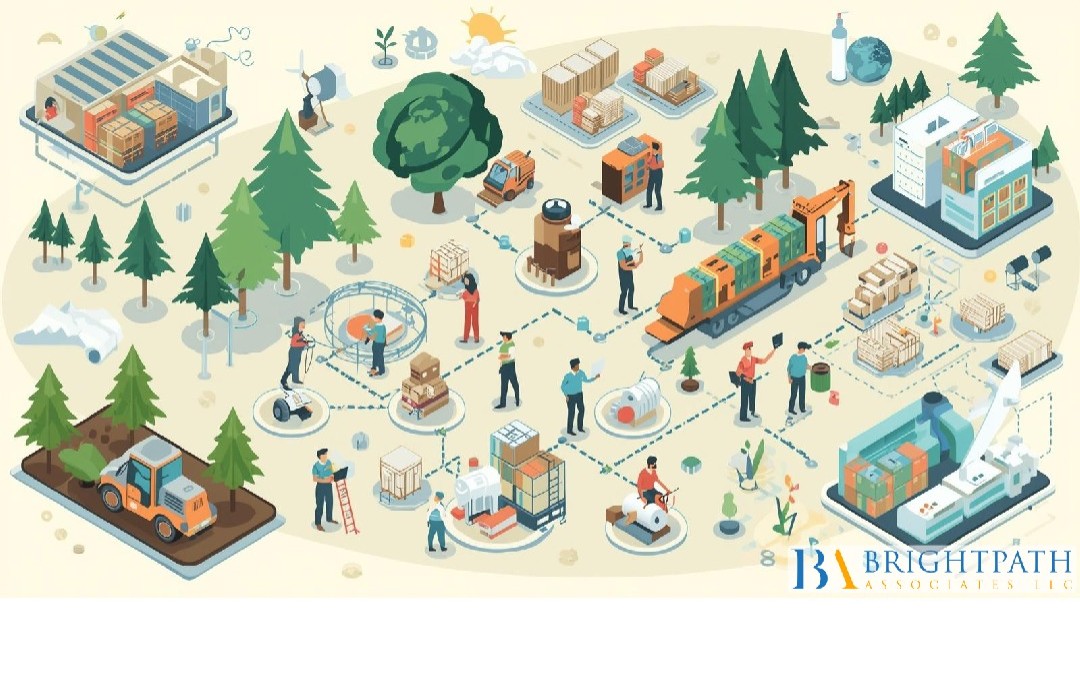
The paper and forest products industry is entering a transformative decade—one defined by sustainability pressures, technological disruption, and evolving global demand. For small to mid-sized enterprises across the United States, this shift is not just operational—it is deeply strategic. As we approach 2030, industry leaders are being challenged to rethink how they source materials, manage supply chains, adopt innovation, and most importantly, build leadership teams capable of navigating this complexity. The future of forest products will not be shaped by tradition alone, but by the organizations that can successfully integrate sustainability, digital transformation, and workforce strategy into a cohesive growth model.
One of the most defining forces shaping the industry today is sustainability. Global attention toward climate change, deforestation, and environmental accountability is pushing companies to adopt responsible forestry practices. The concept of sustainable yield management—ensuring that harvesting does not exceed regeneration capacity—is becoming central to long-term success. Sustainable yield management is increasingly supported by digital tools such as geospatial mapping and real-time data analytics, enabling companies to balance ecological responsibility with commercial viability. At the same time, global initiatives targeting forest conservation and restoration are setting ambitious goals for 2030, emphasizing the need to halt deforestation and restore degraded landscapes. For businesses, this means sustainability is no longer a compliance requirement—it is a competitive differentiator.
However, sustainability alone is not enough. The industry is also undergoing rapid technological evolution. From AI-driven forestry planning to advanced paper and pulp technologies, innovation is redefining how forest products are manufactured and delivered. Digital transformation is enabling companies to optimize operations, reduce waste, and improve efficiency across the value chain. In fact, modern forestry operations now rely heavily on data-driven decision-making, predictive analytics, and automation to remain competitive in a rapidly changing market. This convergence of technology and sustainability is creating a new operational standard—one where efficiency and environmental responsibility go hand in hand.
At the same time, supply chain resilience has emerged as a critical priority. Recent global disruptions, including pandemics, geopolitical tensions, and fluctuating raw material availability, have exposed vulnerabilities across the forest products value chain. Companies are now focusing on diversifying suppliers, strengthening logistics networks, and adopting digital visibility tools to enhance supply chain stability. The ability to anticipate and respond to disruptions will be a defining factor for success as the industry moves toward 2030. Organizations that invest in resilient supply chain strategies today will be better positioned to manage uncertainty and maintain operational continuity in the future.
Another key trend shaping the future of the forest products sector is the shift toward circular economy models. Increasing demand for eco-friendly products is driving innovation in recycling, waste reduction, and resource optimization. Paper recycling solutions, bio-based materials, and sustainable packaging are gaining traction as companies respond to both regulatory pressures and consumer expectations. This transition is not only improving environmental outcomes but also opening new revenue streams and business opportunities for forward-thinking organizations. The companies that embrace circularity will be the ones that lead the next phase of industry growth.
Yet, despite these advancements, one of the most significant challenges facing the industry is not technology or sustainability—it is talent. As the sector evolves, the demand for skilled professionals who understand both traditional forestry operations and modern innovations is increasing. Leadership roles now require a unique combination of technical expertise, strategic vision, and adaptability. This is particularly critical for small to mid-sized enterprises, which often lack the internal resources to attract and retain top-tier talent. The ability to build strong leadership teams will ultimately determine how effectively companies can implement their 2030 strategies.
This is where strategic workforce planning becomes essential. Organizations must move beyond reactive hiring and adopt a proactive approach to talent acquisition. This includes identifying future skill requirements, investing in leadership development, and partnering with specialized recruitment firms that understand the nuances of the industry. Companies that align their talent strategy with their business goals will be better equipped to drive innovation, improve efficiency, and sustain long-term growth. For a deeper understanding of how workforce trends and industry dynamics are shaping the sector, explore the Paper and Forest Products industry.
Looking ahead to 2030, it is clear that the forest products industry will be defined by those who can successfully integrate sustainability, technology, and talent into a unified strategy. The path forward requires bold leadership, strategic investment, and a willingness to adapt to changing market conditions. Companies must rethink traditional approaches and embrace innovation at every level—from operations and supply chains to workforce development and executive leadership.
The question is no longer whether change is coming—the question is how prepared your organization is to lead it. For those looking to explore these questions further and gain deeper insights into the evolving landscape, you can access the original detailed perspective here: Forest Products: Vision and Strategies.
The road to 2030 presents both challenges and opportunities. Organizations that act decisively today will not only navigate disruption but will emerge as leaders in a more sustainable, innovative, and competitive industry. At BrightPath Associates LLC, we specialize in helping small to mid-sized companies in the Paper & Forest Products sector build high-performing leadership teams that drive transformation and long-term success.
