State of Agriculture: Vision and Strategies for 2026
Author : Alex Turner | Published On : 05 Mar 2026
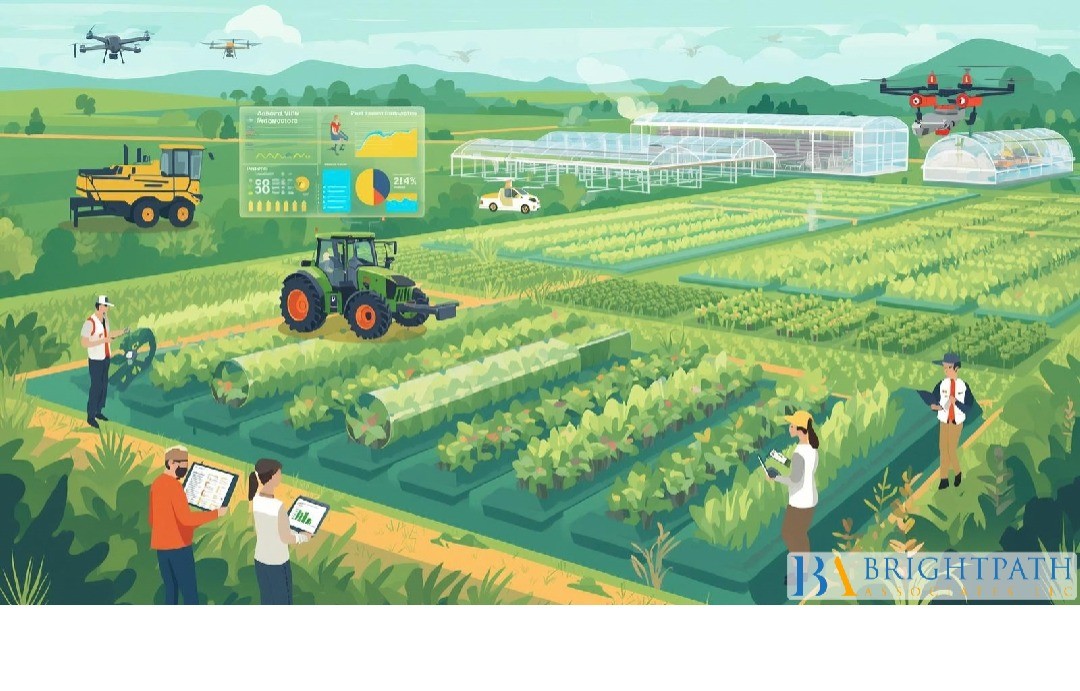
Agriculture stands at a pivotal crossroads. As we approach 2026, farms — from family-run operations to larger agribusinesses — are confronting rapid changes shaped by technological innovation, climate dynamics, supply chain evolution, and shifting consumer expectations. The industry’s ability to adapt will determine not only long-term viability but also global food security and rural economic resilience.
For organizations operating in the Farming Industry, understanding these dynamics is no longer optional — it’s strategic. Leaders must anticipate emerging trends, rethink legacy practices, and build agile frameworks that support growth, sustainability, and workforce development simultaneously.
This article explores the state of agriculture today and the vision and strategies that will define success through 2026 and beyond, helping farm leaders and senior executives position their organizations for competitive advantage in an evolving landscape.
Current Landscape: Agriculture at a Turning Point
In recent years, the farming sector has faced unprecedented challenges. Extreme weather events driven by climate variability, fluctuating commodity prices, labor shortages, and rising input costs have reshaped operational priorities. At the same time, breakthroughs in digital agriculture, data analytics, and biotechnology are unlocking new possibilities for productivity gains.
The result is a dual-track reality: agricultural challenges coexist with opportunities for innovation at scale. Farm leaders are asking critical strategic questions:
-
How do we improve yields sustainably?
-
What role should data and automation play on the farm?
-
How do we address workforce shortages while maintaining high productivity?
-
What investments are critical to position the farm for the future?
Strategic Vision for 2026: Key Priorities for Farm Leaders
To thrive in a landscape shaped by uncertainty and technological change, farming organizations must pursue a multidimensional strategy that balances productivity, resilience, sustainability, and people. Here are the essential strategic priorities agriculture leaders should embrace:
1. Embrace Digital Transformation Across Operations
Digital agriculture technologies — including remote sensing, precision applications, and data analytics — are no longer niche tools. They are becoming foundational to operational excellence. These technologies help farmers:
-
Monitor crop health in real time
-
Optimize irrigation and nutrient application
-
Track input usage for cost efficiency
-
Predict yield outcomes with data-driven insights
Investing in digital tools enhances decision quality and boosts long-term competitiveness. Farms that leverage real-time data can reduce waste, improve operational precision, and adapt quickly to changing conditions.
2. Invest in Sustainable and Regenerative Practices
Environmental sustainability is no longer a peripheral consideration — it’s a business imperative. With consumers and regulators placing greater emphasis on sustainable outcomes, farms must adopt practices that protect natural resources while maintaining productivity. Regenerative agriculture — which includes cover cropping, reduced tillage, and soil carbon enhancement — can:
-
Improve soil health and resilience
-
Increase biodiversity
-
Reduce erosion and water loss
-
Capture carbon, contributing to climate mitigation
Farms that embed sustainability into their operations benefit from stronger ecosystem services and improved stakeholder trust, including customers, partners, and communities.
3. Future-Ready Workforce Strategy
Workforce shortages are among the most frequently cited barriers to farm growth. The challenge is not just filling roles — it’s attracting and retaining talent equipped with both agricultural expertise and emerging technical skills. Farms increasingly need professionals who understand:
-
Agricultural technology systems
-
Big data platforms
-
Precision equipment operations
-
Sustainable farm practices
This requires intentional workforce strategies that blend recruitment with continuous learning. Investing in talent development not only strengthens operations but positions farming operations as desirable workplaces in a competitive labor market.
4. Strengthen Supply Chain Resilience
Global events — from pandemics to geopolitical disruptions — have exposed vulnerabilities in agricultural supply chains. Farm leaders must build resilience by diversifying suppliers, shortening supply paths where possible, and leveraging predictive intelligence to anticipate disruptions.
Transparency in sourcing and logistics also builds trust with buyers and consumers. Tracking products from field to table enhances traceability, supports food safety, and opens new market opportunities — especially for value-driven customers.
What This Means for Business Leaders
The transformation underway in agriculture demands visionary leadership. CEOs, farm owners, and strategic planners must rethink traditional models, invest in capabilities that future-proof operations, and cultivate talent that can guide their organizations through disruption. For small and mid-sized enterprises navigating this environment, a strategic focus on long-term vision — rather than short-term reaction — will differentiate industry leaders from laggards.
To explore how these strategic themes align with organizational design, workforce priorities, and executive hiring, visit the complete resource on State of Agriculture: Vision and Strategies for 2026. Also, for a deeper understanding of the broader context shaping the workforce in the farming industry.
Final Thoughts: Leading Agriculture Forward
The future of agriculture is not pre-written — it will be shaped by the decisions leaders make today. Farms that embrace strategic priorities — from digital transformation to workforce development — will be better equipped to navigate uncertainty and seize opportunity.
The agriculture sector is resilient by nature. By pairing that resilience with vision, innovation, and strategic alignment, organizations can thrive in 2026 and beyond
