Standardizing Tribal Knowledge: How to Train Your Next Generation of Engineers
Author : Daniel Sparks | Published On : 15 Oct 2026
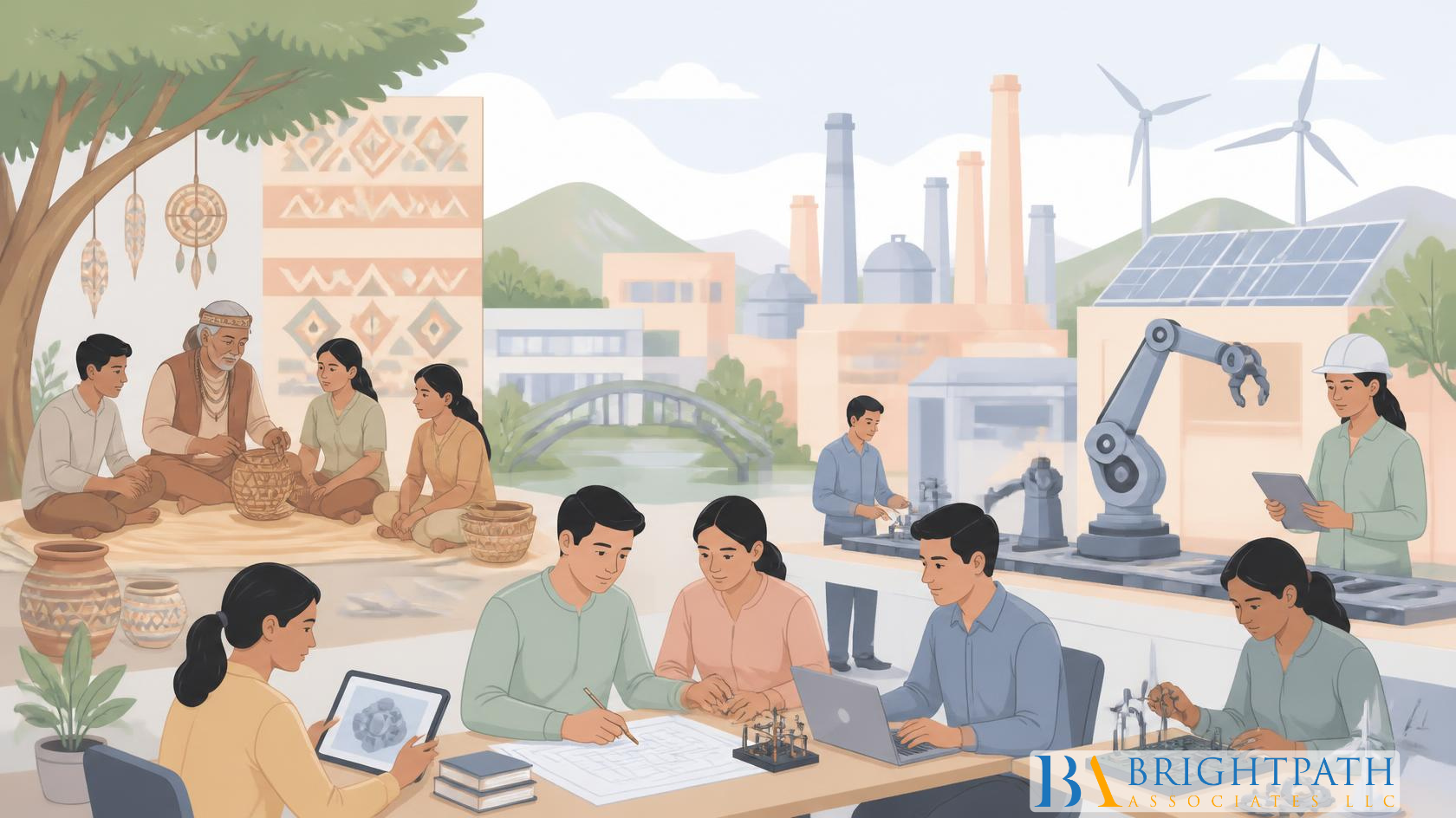
In plastics manufacturing, operational success depends on more than advanced machinery, efficient production lines, and high-quality raw materials. It also relies on the experience of engineers and technicians who understand how equipment behaves, why specific production settings work, and how to resolve problems that standard operating procedures may not fully address.
This practical expertise, often called tribal knowledge, develops through years of hands-on experience. It includes troubleshooting techniques, process adjustments, equipment-specific insights, and lessons learned from previous production challenges. Although this knowledge can be invaluable, it frequently remains undocumented and concentrated among a small number of experienced employees.
For small and mid-sized plastics manufacturers across the United States, losing these employees through retirement, resignation, or career transitions can create significant operational risks. Preserving their expertise and transferring it to younger professionals is therefore an essential component of workforce planning.
By implementing structured knowledge-sharing programs, practical training, and effective succession planning, manufacturers can protect institutional knowledge while preparing the next generation of engineers to support innovation and business growth.
Why Tribal Knowledge Matters in Plastics Manufacturing
Plastics production involves complex processes, including injection molding, extrusion, blow molding, thermoforming, and specialized material processing. Each operation requires technical understanding of equipment, materials, temperatures, pressures, cycle times, and quality requirements.
Experienced engineers often develop an intuitive understanding of these variables through repeated exposure to production challenges. They may recognize the early signs of mold wear, identify the likely causes of inconsistent part dimensions, or understand how changes in material behavior influence processing conditions.
Such expertise can be difficult to reproduce through written instructions alone. A maintenance manual might explain how to inspect a machine, but an experienced technician may know which unusual vibration signals an impending failure or which operating conditions typically precede a production defect.
When this knowledge remains with individual employees, the organization becomes vulnerable to disruptions. New engineers may take longer to diagnose problems, production teams may repeat previous mistakes, and maintenance decisions may become less consistent.
For plastics manufacturers operating with limited technical staffing, these challenges can affect production schedules, product quality, customer satisfaction, and profitability. Knowledge preservation must therefore be treated as a business priority rather than an administrative exercise.
Preparing Engineers for Advanced Manufacturing Technologies
The plastics industry continues to evolve as manufacturers adopt greater automation, digital monitoring, robotics, advanced inspection systems, and data-driven production management. Future engineers must therefore understand both established manufacturing principles and emerging technologies.
Knowledge-transfer programs should expose developing employees to programmable logic controllers, machine interfaces, process monitoring tools, automated material handling, and quality inspection technologies where relevant to the facility.
Digital tools can help organizations capture and distribute technical expertise more effectively. Searchable maintenance records, centralized standard operating procedures, equipment histories, and digital training resources allow employees to access information when they need it.
Manufacturers can also use production data to connect documented knowledge with real operational outcomes. When an experienced engineer identifies the cause of a recurring defect, recording the diagnosis alongside relevant machine parameters can help future teams recognize similar patterns.
However, technology cannot replace experienced judgment entirely. Digital records are most useful when they capture the reasoning behind technical decisions and are supported by opportunities for employees to ask questions, practice skills, and receive feedback.
Companies exploring opportunities across the plastics industry should consider workforce development alongside equipment investments. Advanced manufacturing systems deliver greater value when employees have the expertise to operate, maintain, and continuously improve them.
Conclusion: Turning Experience Into a Lasting Competitive Advantage
For plastics manufacturers, engineering expertise is one of the most valuable assets supporting production reliability, product quality, and continuous improvement. Yet that expertise can disappear when it remains concentrated in the minds of a few experienced employees.
Organizations can reduce this risk by documenting critical processes, developing structured mentorship programs, introducing digital knowledge-management tools, and integrating workforce development with succession planning.
The result is more than a smoother employee transition. It is a stronger engineering culture in which practical experience becomes a shared resource and developing professionals gain the capabilities required to support future growth.
Manufacturers that recognize knowledge transfer as a strategic investment will be better positioned to manage workforce transitions, adopt new technologies, and maintain operational consistency. For a deeper look at practical approaches to preserving engineering expertise, read BrightPath Associates' original article on standardizing tribal knowledge and training the next generation of engineers.
