Specialty Tape Market Intelligence: Advancing High-Performance Bonding Solutions
Author : Diya Gupta | Published On : 05 Oct 2026
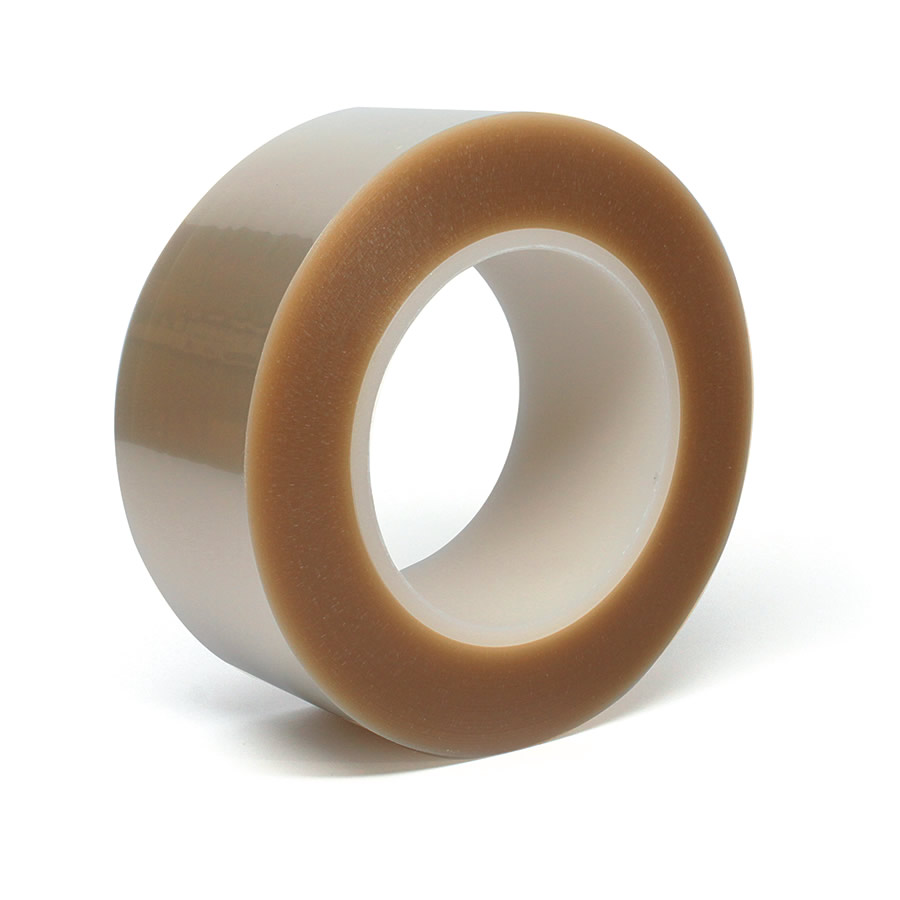
Understanding the Specialty Tape Landscape
Specialty tapes have evolved from simple bonding materials into engineered components that support assembly, protection, insulation, sealing, mounting, and surface management. Unlike conventional tapes designed mainly for everyday packaging or basic attachment, specialty products are developed to perform under demanding conditions such as elevated temperatures, moisture, vibration, chemicals, electrical stress, and repeated mechanical loads.
The growing complexity of manufactured products is strengthening demand for tapes that can perform multiple functions while reducing assembly time and product weight. Automotive systems, electronics, appliances, construction materials, renewable-energy equipment, industrial machinery, and healthcare products increasingly require customized adhesive solutions. This shift provides important intelligence into how the specialty tape market is developing across different application areas.
Technology Is Shaping Market Development
One of the most important developments is the expansion of pressure-sensitive adhesive technologies. Acrylic, silicone, rubber-based, and hybrid adhesive systems allow manufacturers to select products according to substrate, temperature, durability, flexibility, and environmental requirements.
Acrylic-based specialty tapes are gaining attention for applications requiring strong long-term adhesion and resistance to aging. Silicone-based products are particularly useful where temperature flexibility, difficult-surface bonding, or demanding environmental conditions are involved. Foam tapes provide cushioning and gap filling, while transfer and double-sided tapes can replace mechanical fasteners in selected applications.
Another important direction is the development of tapes with specialized functions. Electrically conductive tapes can assist with grounding and electromagnetic management, while insulating products support electrical protection. Thermal-management tapes are increasingly relevant where components generate heat, and flame-retardant constructions can provide additional protection in demanding environments.
These technologies indicate that future competition will depend increasingly on technical performance rather than simply adhesive strength or price.
Automotive Applications Create New Opportunities
Automotive manufacturing represents an important application area for specialty tapes because modern vehicles contain increasingly complex electronic and structural systems. Tapes can support display mounting, wire-harness management, trim attachment, sealing, vibration control, sensor installation, and component protection.
The transition toward electric vehicles is also creating new requirements. Battery packs and associated electrical systems require materials capable of providing insulation, cushioning, bonding, and protection. Lightweight adhesive solutions can help manufacturers reduce dependence on screws, clips, and other mechanical fastening methods in suitable applications.
Advanced vehicle electronics provide another opportunity. Cameras, sensors, displays, control modules, and other electronic components often require reliable bonding and protection. Consequently, suppliers that can offer application-specific solutions rather than standardized tape formats may gain stronger relationships with automotive manufacturers and component producers.
Electronics and Electrical Industries Drive Precision Demand
Electronics manufacturing is another major area influencing specialty tape development. Smaller components and increasingly compact devices require thin materials that can deliver dependable adhesion without occupying significant space.
Specialty tapes can be used for component mounting, insulation, shielding, heat management, display assembly, battery-related applications, and surface protection. As electronic products become thinner and more integrated, tape manufacturers face greater requirements for dimensional stability, clean application, controlled thickness, and consistent performance.
This creates an intelligence advantage for companies investing in precision coating, converting, die-cutting, and customized formats. Instead of supplying only rolls, manufacturers can provide application-ready shapes that simplify production and reduce material waste.
Sustainability Becomes a Competitive Consideration
Environmental expectations are influencing material selection throughout the adhesive industry. Manufacturers and end users are increasingly evaluating backing materials, adhesive chemistry, packaging, recyclability, production efficiency, and material consumption.
Specialty tape producers are therefore exploring thinner constructions, recycled or bio-based materials, solvent-reduction approaches, and designs that improve product efficiency. However, sustainability cannot come at the expense of performance in demanding applications. Industrial customers generally require a balance between environmental considerations, durability, safety, and production reliability.
This creates an opportunity for manufacturers to differentiate products through measurable environmental improvements while maintaining the technical properties expected by customers.
Customization Strengthens Competitive Positioning
A major feature of the specialty tape sector is its application-specific nature. Customers may require particular widths, thicknesses, adhesive levels, backing materials, release liners, temperature ranges, or die-cut shapes.
Customization can therefore become a significant source of competitive advantage. Suppliers with strong converting capabilities can work with customers to develop solutions tailored to individual assembly processes. This approach can improve production efficiency and create longer-term customer relationships.
Digital manufacturing and automated converting technologies may further improve the ability to produce smaller customized batches without sacrificing consistency. Such capabilities are particularly valuable for electronics, automotive components, medical products, and industrial equipment.
Supply Chain and Cost Factors
Raw material availability remains an important consideration for specialty tape manufacturers. Adhesive resins, polymers, films, foams, release liners, and other inputs can experience price fluctuations that influence production economics.
Energy costs, transportation expenses, currency movements, and regional manufacturing capacity can also affect product pricing. Companies with diversified sourcing strategies and efficient production facilities may be better positioned to manage these pressures.
Regional production is becoming increasingly important as manufacturers seek shorter supply chains and faster delivery. Local converting and technical support can also help suppliers respond more quickly to customized requirements.
Future Intelligence and Strategic Outlook
The future direction of the specialty tape market is likely to be shaped by several interconnected forces: vehicle electrification, electronics miniaturization, advanced manufacturing, lightweight product design, automation, sustainability, and demand for customized assembly solutions.
The strongest opportunities are expected to emerge where tapes solve specific engineering problems rather than simply provide basic adhesion. Products that combine bonding with insulation, thermal management, shielding, sealing, cushioning, or surface protection can deliver greater value to industrial customers.
Manufacturers can strengthen their position by investing in adhesive research, advanced coating technologies, precision converting, quality control, and application engineering. Close collaboration with customers during product development can also help suppliers understand changing production requirements before competitors.
Overall, market intelligence points toward a more specialized and technology-oriented industry. As manufacturers continue to seek lighter, faster, cleaner, and more efficient assembly methods, specialty tapes are positioned to become increasingly important components across modern industrial and consumer products.
Conclusion
Specialty tapes are moving beyond conventional bonding applications and becoming multifunctional engineering materials. Growth in automotive electronics, electric vehicles, consumer electronics, industrial automation, renewable energy, and advanced manufacturing is creating demand for products with higher performance and greater customization.
The competitive landscape will increasingly favor companies capable of combining material innovation with application expertise, sustainable product development, and reliable supply. With industries placing greater emphasis on lightweight construction and efficient assembly, specialty tapes are likely to remain an important enabling technology for future manufacturing.
