Solar Panel Maintenance Tips for Reliable Home Energy Performance
Author : Solar Service Guys | Published On : 04 Oct 2026
Why Solar Maintenance Deserves Attention
A solar system can quietly generate electricity for years, but even reliable equipment needs regular attention to maintain consistent performance. Dust, leaves, weather exposure, wiring issues, shading, and gradual equipment wear can all influence energy production. Solar Health Checks for Homes can provide a structured way to identify potential concerns before they become larger problems. Regular inspections can examine panels, mounting components, electrical connections, inverters, and overall system performance. The main goal is not simply to keep panels looking clean, but to ensure that the complete solar installation remains safe, functional, and capable of producing energy efficiently.
Understanding What a Solar Health Check Involves
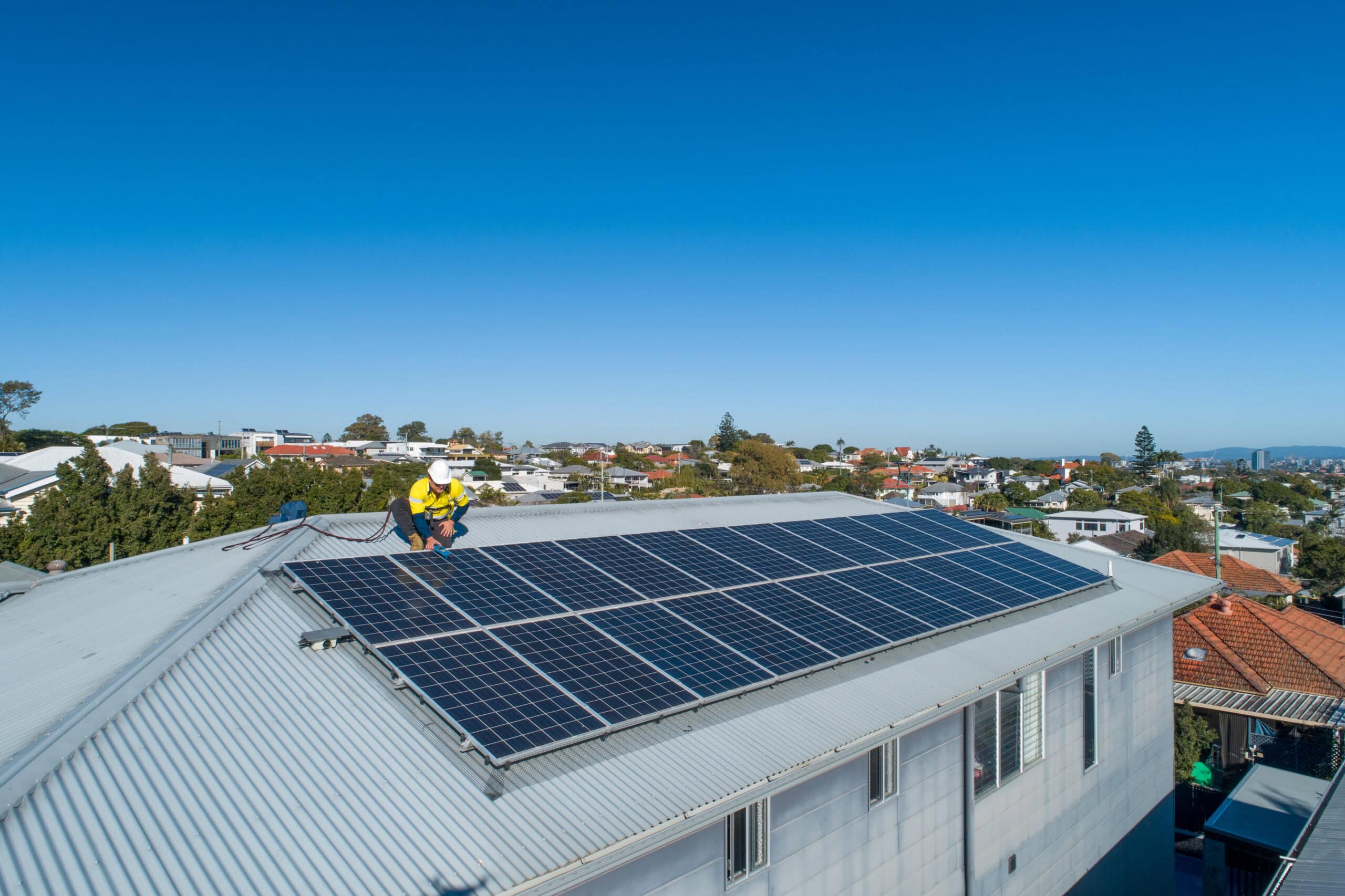
A solar health check generally involves reviewing several components rather than focusing on the panels alone. Inspection may include examining visible panel condition, mounting structures, cabling, inverter operation, and signs of environmental damage. Performance information can also help identify whether the system is producing electricity as expected for its design and conditions. Changes in output can sometimes indicate shading, equipment problems, soiling, or other technical concerns. Regular assessment allows potential issues to be noticed earlier. Homeowners can then discuss appropriate maintenance or repairs with qualified solar professionals instead of waiting until a noticeable system failure occurs.
How Environmental Conditions Affect Solar Panels
Solar panels operate outdoors throughout changing weather conditions, which means environmental exposure can gradually affect their performance. Dust, pollen, bird droppings, leaves, pollution, and other debris can accumulate on the panel surface. Nearby trees may also create additional shading as branches grow or seasonal conditions change. Heavy rain can remove some surface dirt, but rainfall does not necessarily eliminate every type of buildup. Coastal environments may introduce additional airborne particles, while dry regions can experience greater dust accumulation. Understanding these conditions helps homeowners determine whether inspections and cleaning should be included in a practical maintenance schedule.
The Importance of Professional Panel Cleaning
Clean panels can receive sunlight more effectively when surface buildup is limiting exposure. An Expert Solar Panel Cleaning Service can assess the condition of the panels and use suitable cleaning methods designed for solar equipment. Professional cleaning may be particularly useful when panels are difficult to access, positioned at height, or affected by persistent environmental deposits. Improper cleaning techniques can potentially damage surfaces or create safety risks, so suitable equipment and procedures matter. Cleaning should also be considered alongside broader system maintenance. A clean panel cannot compensate for electrical faults, inverter problems, damaged wiring, or other issues affecting overall solar performance.
Recognizing Signs That Maintenance May Be Needed
Changes in electricity generation can sometimes provide an early indication that a solar system deserves attention. A noticeable decline in expected output, visible panel damage, unusual inverter behavior, loose components, or persistent dirt may warrant professional inspection. Monitoring systems can make it easier to compare current production with historical performance and identify unusual changes. However, variations in sunlight caused by seasons, weather, temperature, and shading should also be considered before assuming that equipment has failed. Professional assessment can help distinguish normal fluctuations from technical concerns and determine whether cleaning, repair, or further investigation is appropriate.
Keeping Panels and Surrounding Areas Accessible
The area around a solar installation can influence both maintenance requirements and system performance. Overgrown branches may cast shadows across panels, while leaves and other debris can accumulate around accessible sections of the installation. Keeping nearby vegetation appropriately managed can reduce unnecessary shading and make inspections easier. However, trimming trees near electrical equipment or rooftop installations can involve safety hazards and should not be attempted where specialist equipment or electrical knowledge is required. Maintaining clear access can also help professionals examine mounting structures, cables, and other components during scheduled inspections without creating unnecessary risks.
Combining Cleaning With Broader System Care
Panel cleaning is only one part of responsible solar maintenance. A complete approach can include checking mounting hardware, reviewing inverter operation, examining visible cabling, assessing system output, and looking for signs of physical deterioration. Different installations may have different maintenance requirements depending on their age, location, design, and surrounding environment. Routine attention can help identify minor concerns before they potentially develop into expensive or disruptive problems. Maintenance records can also be useful because they provide a history of inspections, cleaning, repairs, and performance observations. This information can support more informed decisions about future servicing and system upkeep.
Making Solar Maintenance a Long-Term Habit
Solar energy systems are designed for long-term operation, making consistent maintenance a practical consideration for homeowners. Rather than waiting for a major performance problem, periodic checks can help identify developing concerns and maintain awareness of system condition. The appropriate inspection and cleaning frequency depends on factors such as local climate, panel positioning, nearby vegetation, environmental exposure, and system design. Professional guidance can help determine a suitable schedule. Homeowners should also follow manufacturer recommendations and seek qualified assistance for electrical or rooftop work. A planned maintenance routine can support safer operation and more dependable energy generation over time.
Conclusion: Supporting Reliable Solar Performance
A well-maintained solar installation can provide dependable renewable energy while reducing avoidable performance issues. Regular inspections, sensible cleaning, vegetation management, performance monitoring, and professional servicing can all contribute to responsible system care. Homeowners interested in learning about maintenance options can explore the services and information available through the Solar Service Guys website as part of their research. The most suitable maintenance approach will depend on the individual installation and environmental conditions. By treating solar care as an ongoing responsibility rather than an occasional task, homeowners can better understand system performance, address potential concerns earlier, and support the long-term operation of their renewable energy investment.
