SME Guide to Reducing Energy Overhead in Dairy Processing Facilities
Author : Alyssa Miller | Published On : 16 Jul 2026
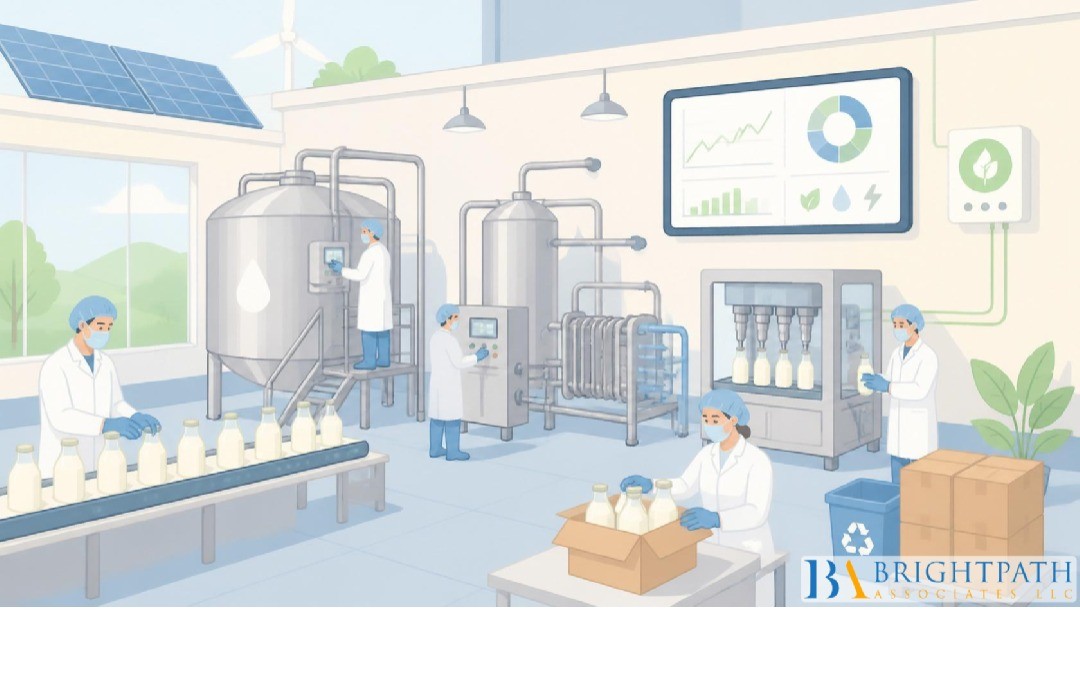
Energy has always been one of the largest operating expenses in dairy processing. From pasteurization and refrigeration to packaging, cleaning, and cold storage, nearly every stage of production depends on reliable and consistent energy consumption. As electricity prices fluctuate and sustainability expectations continue to rise, small and mid-sized dairy processors are under increasing pressure to improve operational efficiency while maintaining product quality and food safety. Reducing energy overhead is no longer simply a cost-saving initiative—it has become a strategic business decision that directly impacts profitability, competitiveness, and long-term resilience.
Today's dairy businesses operate in an increasingly demanding marketplace. Consumers expect high-quality products, retailers require dependable supply chains, and regulators continue to strengthen food safety and environmental standards. At the same time, manufacturers face rising labor costs, equipment maintenance expenses, and utility rates. Organizations that proactively optimize energy usage position themselves to improve margins while strengthening operational performance. Businesses seeking additional insights into innovation, workforce development, and operational excellence within food production can explore the Dairy Industry, where technology and leadership continue driving sustainable growth.
One of the first steps toward improving energy efficiency is understanding where energy is actually consumed. Many dairy processing facilities rely on equipment that operates continuously throughout production cycles. Refrigeration systems, boilers, compressors, pumps, and processing lines often account for the largest share of energy usage. Conducting a comprehensive energy assessment allows management teams to identify inefficiencies, prioritize upgrades, and establish measurable performance benchmarks before investing in new technologies.
Modern refrigeration systems offer one of the greatest opportunities for energy savings. Because dairy products require carefully controlled temperatures throughout production and storage, refrigeration equipment operates almost constantly. Upgrading to high-efficiency compressors, optimizing cooling cycles, improving insulation, and implementing automated temperature controls can significantly reduce electricity consumption while maintaining product integrity. Preventive maintenance also plays a critical role, as neglected equipment frequently consumes more energy than properly maintained systems.
Heat recovery represents another valuable strategy for improving operational efficiency. Dairy processing generates substantial amounts of waste heat through pasteurization, boilers, and various production processes. Rather than allowing this heat to dissipate, many facilities install recovery systems that capture thermal energy and redirect it toward water heating, cleaning operations, or other production activities. Reusing existing energy reduces overall utility consumption while lowering operating costs across multiple production processes.
Automation has become increasingly important in energy management. Intelligent control systems monitor equipment performance, adjust operating schedules, and optimize production workflows based on real-time operational requirements. Automated monitoring helps facilities identify equipment operating outside expected performance ranges while minimizing unnecessary energy consumption during periods of reduced production activity. Digital technologies provide management with actionable insights that support continuous operational improvement.
Equipment maintenance should never be underestimated. Even highly efficient machinery loses performance over time if maintenance schedules are neglected. Dirty heat exchangers, leaking compressed air systems, worn motors, clogged filters, and improperly calibrated equipment all contribute to unnecessary energy waste. Establishing preventive maintenance programs helps facilities maintain optimal operating efficiency while reducing unexpected downtime and costly emergency repairs.
Lighting upgrades provide another relatively simple opportunity for reducing operational expenses. Many processing facilities continue using outdated lighting systems despite significant advances in LED technology. Energy-efficient lighting consumes less electricity, requires less maintenance, and provides improved workplace visibility. Motion sensors, programmable lighting controls, and daylight harvesting systems further reduce unnecessary energy consumption throughout administrative offices, warehouses, and production areas.
Water management also influences energy efficiency within dairy operations. Heating, pumping, treating, and transporting water require substantial energy resources. Installing water-efficient cleaning systems, repairing leaks promptly, recycling process water where appropriate, and optimizing sanitation procedures reduce both water usage and associated energy costs. Integrated resource management frequently delivers financial benefits across multiple operational areas simultaneously.
Employee engagement remains an essential component of successful energy management. Technology alone cannot achieve maximum efficiency without workforce participation. Employees who understand organizational energy goals are more likely to identify operational improvements, report equipment issues promptly, and follow best practices that reduce unnecessary resource consumption. Regular training programs encourage a culture of continuous improvement while strengthening employee ownership of operational performance.
Sustainability initiatives increasingly align with financial performance. Customers, retailers, investors, and business partners are paying closer attention to environmental responsibility throughout food manufacturing supply chains. Reducing energy consumption lowers greenhouse gas emissions while demonstrating responsible environmental stewardship. Organizations that successfully integrate sustainability into daily operations often strengthen customer confidence and enhance brand reputation in competitive markets.
Data-driven decision-making has become another competitive advantage. Advanced monitoring systems allow organizations to analyze historical energy trends, compare facility performance, forecast utility expenses, and evaluate the financial return of efficiency projects. Rather than relying on assumptions, management teams gain measurable insights that support informed capital investment decisions while identifying additional opportunities for operational optimization.
Facility design also contributes significantly to long-term energy performance. Modern insulation materials, energy-efficient building envelopes, optimized ventilation systems, and strategic equipment placement improve overall facility efficiency while reducing ongoing utility costs. Organizations planning facility expansions or renovations should consider energy performance during project planning rather than attempting costly modifications after construction is complete.
Supply chain collaboration further supports operational efficiency. Equipment manufacturers, utility providers, engineering consultants, and technology partners frequently offer valuable expertise regarding energy optimization opportunities. Building strong relationships with experienced industry partners enables dairy processors to identify innovative solutions while reducing implementation risks.
Leadership commitment remains one of the most important factors in successful energy management. Executive teams establish organizational priorities by allocating resources, supporting continuous improvement initiatives, and encouraging cross-functional collaboration. When leaders consistently emphasize operational excellence, employees throughout the organization become more engaged in identifying cost-saving opportunities and improving overall efficiency.
Human capital plays an equally important role in operational success. Modern dairy processing facilities require experienced professionals capable of integrating food safety, engineering, automation, quality assurance, maintenance, sustainability, and production management into cohesive operational strategies. Recruiting skilled leaders with expertise in manufacturing excellence and process optimization enables organizations to maximize both technology investments and workforce performance.
Financial planning should accompany every energy improvement initiative. While some efficiency projects require initial capital investment, many generate measurable cost savings over relatively short periods. Evaluating lifecycle costs rather than upfront purchase prices helps organizations prioritize projects that deliver long-term operational value while strengthening financial resilience.
Organizations interested in exploring additional strategies for improving operational efficiency can review Reducing Energy Overhead in Dairy Processing Facilities. Developing a structured energy management strategy allows dairy processors to reduce operating expenses, improve sustainability performance, and strengthen long-term competitiveness within an increasingly demanding marketplace.
The future of dairy manufacturing will belong to organizations that combine operational excellence with strategic innovation. Energy efficiency is no longer simply an environmental objective—it is a business strategy that supports profitability, strengthens resilience, and improves competitive positioning. Companies that invest in modern technologies, employee development, preventive maintenance, and data-driven operational management will be better prepared to navigate changing market conditions while delivering exceptional value to customers.
