SMB Guide to Transitioning from Plastic to Fiber-Based Alternatives
Author : Todd Beddard | Published On : 13 Aug 2026
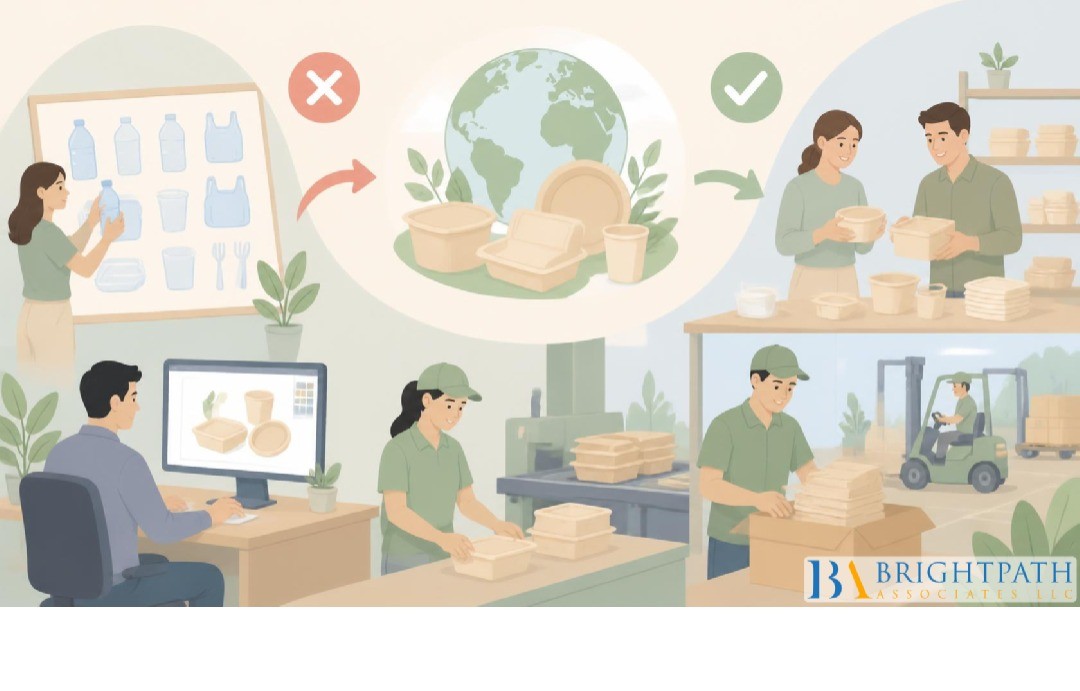
The packaging industry is entering a period in which material selection is becoming a strategic business decision rather than simply a manufacturing choice. Plastic has played an important role in modern packaging because of its durability, flexibility, lightweight characteristics, and relatively low production costs. However, growing sustainability expectations, changing customer preferences, recycling challenges, and pressure to reduce dependence on fossil-based materials are encouraging companies to explore fiber-based alternatives.
For small and mid-sized businesses, transitioning away from plastic can appear complicated. Fiber-based packaging may require different machinery, material specifications, supplier relationships, production processes, and quality controls. At the same time, customers increasingly expect packaging suppliers to demonstrate credible sustainability improvements without sacrificing functionality or cost competitiveness. The transition therefore needs to be approached as a business transformation rather than a simple material substitution.
Companies operating within the Packaging and Containers Industry are particularly well positioned to explore this shift. Fiber-based packaging is expanding across applications ranging from foodservice and consumer products to shipping materials, retail packaging, and protective formats.
Why Fiber-Based Packaging Is Gaining Attention
Fiber-based materials have become increasingly attractive because they can support sustainability objectives while offering manufacturers opportunities for product innovation. Paperboard, corrugated fiberboard, molded fiber, and other cellulose-based materials can be engineered for different packaging requirements.
The transition is not simply about replacing a plastic container with a paper equivalent. Packaging companies must consider moisture resistance, strength, barrier performance, shelf life, printing requirements, transportation conditions, product protection, and end-of-life pathways.
This makes material development an important part of the process. A successful fiber solution must perform adequately throughout the packaging lifecycle rather than simply appearing more sustainable at the point of purchase.
Start With the Application, Not the Material
One of the most common mistakes companies can make is choosing a fiber material before understanding the functional requirements of the package. Instead, manufacturers should begin by evaluating the application.
What is the package protecting? Will it encounter moisture, grease, heat, freezing temperatures, or mechanical stress? How long must it remain intact? Does it require a high-quality printed surface? Will it be transported through automated filling and packing equipment? Answering these questions establishes the performance specifications that the alternative material must satisfy.
For some applications, a straightforward fiber conversion may be practical. Other applications may require molded fiber, coated paperboard, hybrid structures, or entirely new package designs. This application-first approach can prevent companies from investing in materials that look promising but fail under real-world operating conditions.
Evaluate the Economics of the Transition
Sustainability investments must make business sense, particularly for small and mid-sized companies operating with limited capital. A fiber transition should therefore be evaluated through total cost rather than material price alone.
Management should consider raw-material costs, tooling, equipment modifications, production speed, scrap rates, labor requirements, transportation costs, storage requirements, quality-control expenses, and potential changes in customer demand.
Fiber materials can also influence shipping economics. Some designs may reduce packaging weight or improve nesting efficiency, while others may require additional material to achieve the necessary structural strength. The financial analysis should therefore compare the complete lifecycle economics of the current plastic package against the proposed fiber alternative.
Pilot Projects Can Reduce Risk
Rather than attempting to replace an entire plastic packaging portfolio at once, companies can begin with carefully selected products. An ideal pilot should have manageable technical requirements, sufficient customer interest, and a realistic path to production. The company can then measure material performance, production efficiency, customer acceptance, cost, waste, and environmental outcomes.
The results can inform subsequent projects and help management avoid repeating the same mistakes across multiple product lines. A phased approach also allows employees to become familiar with new materials and processes before the company attempts larger-scale transformation.
Leadership Must Connect Sustainability With Business Strategy
The transition to fiber-based packaging should not be treated as an isolated sustainability initiative. It can influence product development, capital investment, procurement, operations, sales, marketing, and talent strategy.
Executives need to establish clear objectives. Is the company trying to respond to customer demand? Reduce plastic exposure? Enter new markets? Differentiate its products? Improve sustainability performance? Prepare for future regulatory expectations? The answer will influence which materials, technologies, customers, and investments receive priority.
The original BrightPath article, SMB Guide to Transitioning From Plastic to Fiber-Based Alternatives, examines the practical considerations involved in making this transition, particularly for smaller businesses that must balance sustainability ambitions with operational and financial realities.
Building a More Flexible Packaging Business
The move from plastic toward fiber-based alternatives is not likely to follow a single path. Different applications will require different materials, technologies, and business models. Some plastic packaging will remain valuable because of performance requirements, while other applications may increasingly shift toward fiber.
For small and mid-sized packaging companies, the opportunity lies in developing the capability to evaluate these changes strategically. Businesses that combine material innovation with efficient manufacturing, strong supplier relationships, thoughtful product design, and capable leadership can respond more effectively to changing customer expectations.
