Smart Sensors Are Transforming Modern Homes Across Egypt
Author : EBS Company | Published On : 26 Sep 2026
A Smarter Way to Experience Everyday Living
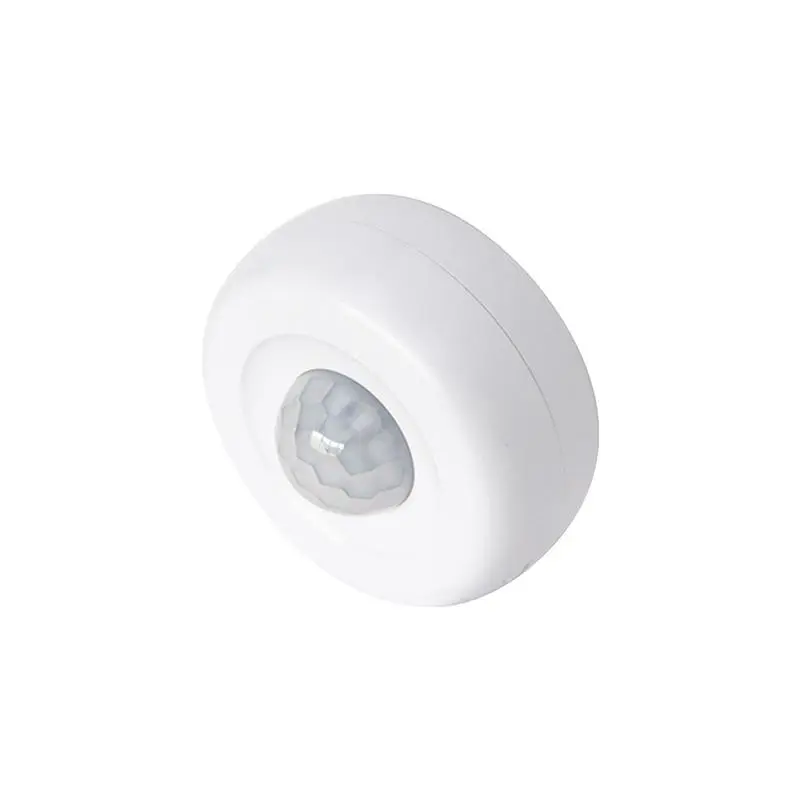
Imagine entering a room where the lights respond automatically, appliances adjust to changing conditions, and security devices remain alert without constant supervision. This is becoming possible through connected technologies designed to make homes more responsive and efficient. A Smart Motion Sensor can detect movement and trigger programmed actions, creating a smoother relationship between people and their surroundings. Such technology is increasingly relevant as homeowners look for practical ways to improve convenience, security, and energy management. The main focus is how motion-based automation can contribute to comfortable, efficient, and intelligently connected residential environments.
Understanding Motion-Based Home Automation
Motion sensing technology works by identifying activity within a defined area and communicating that information to a connected control system. Depending on the device, detection may rely on infrared radiation, microwave signals, or combinations of sensing methods. Once movement is recognized, programmed actions can begin automatically, such as switching lights on or activating security notifications. This reduces dependence on manual controls while allowing household systems to respond quickly to changing circumstances. Proper placement is important because walls, furniture, room size, and environmental conditions can influence detection accuracy and overall device performance.
Improving Security Through Instant Awareness
Home security is one of the most recognizable applications of motion detection because unusual movement can be identified even when residents are not actively monitoring a property. Sensors may support connected alarms, cameras, lighting systems, or mobile notifications, creating several layers of awareness. Instead of depending entirely on scheduled activity, automated systems can react to movement as it occurs. Strategic installation near entrances, hallways, garages, and restricted areas can improve coverage. However, sensitivity settings should be adjusted carefully to reduce unnecessary alerts caused by pets, environmental movement, or other harmless activity.
Supporting Smart Home Growth in Egypt
The expansion of connected residential technology is creating new possibilities for homeowners seeking practical automation without completely changing existing routines. In this environment, Smart Home Egypt represents a growing concept centered on integrating lighting, security, climate control, and appliances through connected systems. Local conditions can influence technology choices, particularly where energy efficiency, reliability, and ease of installation are important considerations. Motion-based automation can help reduce unnecessary operation by activating devices only when activity is detected. With thoughtful planning, connected solutions can gradually transform individual rooms into coordinated environments without requiring complicated daily interaction.
Reducing Unnecessary Energy Consumption
Energy management is another area where motion detection can provide practical benefits. Lights, ventilation systems, and selected appliances do not always need to operate continuously when rooms are unoccupied. Automated controls can recognize periods of inactivity and respond by switching selected systems off or changing their operating state. This approach may reduce avoidable consumption while preserving convenience for occupants. The effectiveness depends on appropriate configuration, because overly short delays could become inconvenient while excessive delays may reduce potential savings. Combining motion detection with schedules, daylight sensors, and smart controls can create more balanced energy-management strategies.
Creating More Comfortable Daily Routines
Automation becomes particularly useful when it removes repetitive tasks without demanding constant attention. A connected lighting system, for example, can illuminate a pathway when someone enters an area at night and return to a lower setting after inactivity. Similar routines can be created for selected climate, entertainment, or security functions. The objective is not simply to add more technology but to make everyday interactions more predictable and convenient. Good automation should remain easy to understand and override when necessary. Clear controls, dependable connectivity, and sensible settings help ensure that convenience does not become unnecessary complexity.
Choosing and Installing Sensors Carefully
Selecting the right motion-detection equipment requires consideration of room dimensions, detection range, installation position, connectivity, and compatibility with existing devices. Wireless models can simplify installation, while wired alternatives may suit locations where stable power and connectivity are priorities. Privacy should also be considered, particularly when sensors operate alongside cameras or cloud-connected services. Users should understand what information a device collects, where that information is processed, and which permissions are required. Regular testing can identify weak coverage, false triggers, or connectivity issues. Professional installation may be useful for larger properties or integrated automation systems.
Looking Ahead to Connected Living
Motion-based automation is becoming an important part of the broader transition toward connected residential environments. Its value comes from combining responsiveness with practical functions such as security, lighting control, convenience, and energy management. As connected devices become easier to configure, homeowners can build systems gradually according to specific needs rather than adopting every available technology at once. The most effective approach emphasizes reliability, sensible automation, privacy awareness, and compatibility. With these principles, EBS Company can be considered within a wider market where smart technologies continue to shape how modern households interact with their living spaces.
Social Media Links :-
