Smart Mine ROI Framework: Measuring Tangible Gains from IoT Deployments
Author : Shawn Fisher | Published On : 09 Jul 2026
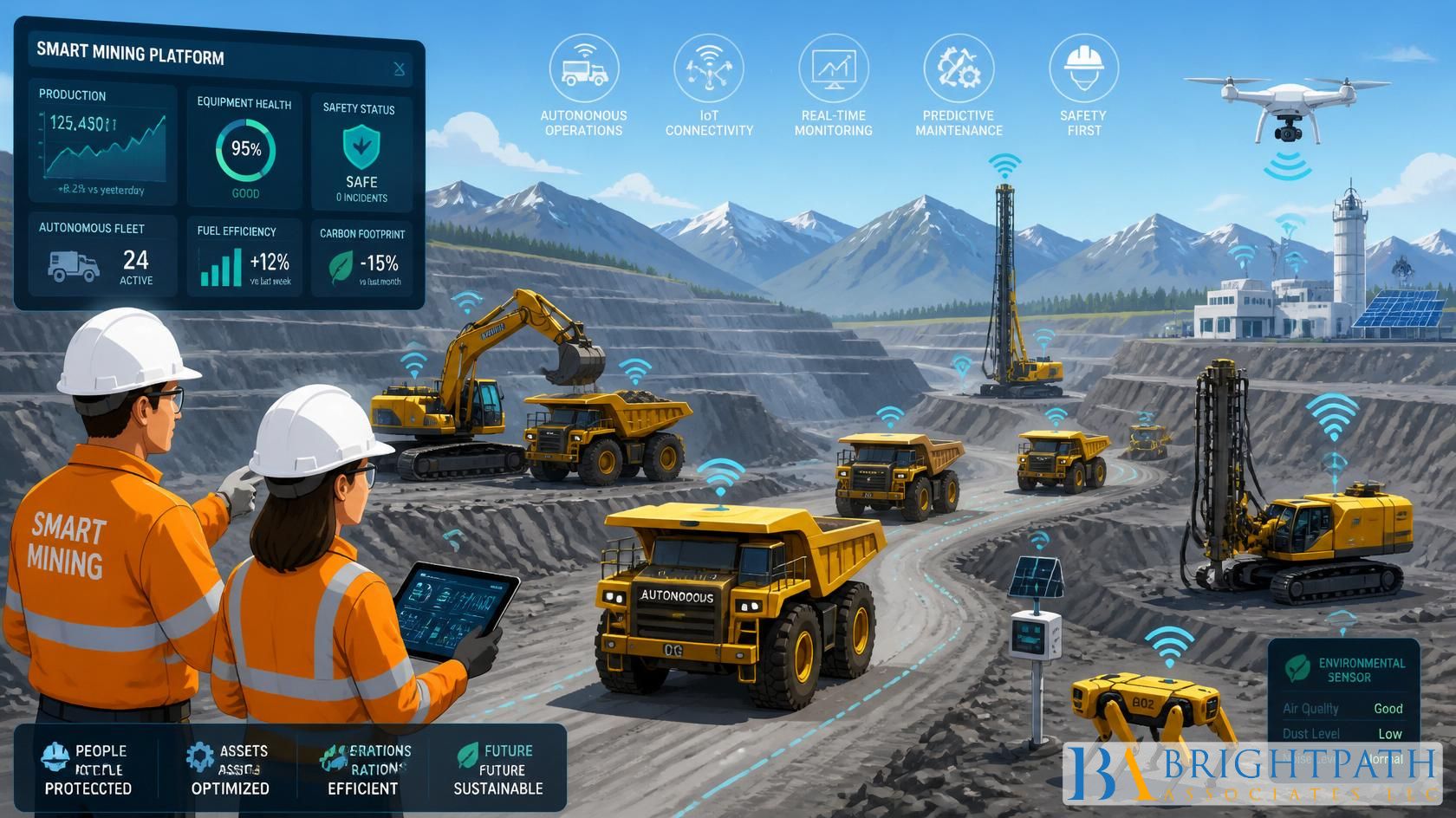
Mining companies are embracing digital transformation at a rapid pace. From connected equipment and predictive maintenance to real-time environmental monitoring, the Internet of Things (IoT) is helping organizations improve safety, efficiency, and productivity. However, adopting new technology is only part of the equation. The bigger challenge is proving that these investments deliver measurable business value.
For small and mid-sized mining companies, every capital investment must generate tangible returns. A structured framework for measuring return on investment (ROI) helps business leaders evaluate whether IoT initiatives are reducing costs, improving operational performance, and supporting long-term growth.
Why Measuring IoT ROI Matters
Many mining companies deploy sensors, connected devices, and automation systems without defining clear performance goals. While these technologies generate large amounts of operational data, decision-makers often struggle to translate that information into financial results. A successful IoT strategy begins by identifying measurable business objectives, such as:
-
Reducing equipment downtime
-
Improving worker safety
-
Increasing production efficiency
-
Lowering maintenance expenses
-
Optimizing fuel and energy consumption
-
Extending the life of critical assets
Tracking these key performance indicators allows organizations to evaluate the true impact of their technology investments.
Building an Effective ROI Framework
An effective ROI framework goes beyond calculating implementation costs. It considers the financial and operational improvements generated throughout the lifecycle of the project. Mining companies should establish baseline performance metrics before deployment. Comparing these benchmarks with post-implementation results provides a clear picture of improvements in productivity, maintenance, and operational efficiency.
Organizations that integrate IoT data into everyday operational decisions are more likely to achieve measurable business outcomes than those that simply collect data without acting on it. Industry research consistently shows that predictive IoT solutions can reduce unplanned downtime while improving maintenance efficiency and operational resilience.
Making Better Business Decisions with Data
Collecting operational data has little value unless organizations can convert it into actionable insights. Advanced analytics help mining companies identify production trends, forecast maintenance requirements, optimize resource allocation, and improve overall operational planning.
Businesses operating within the Mining and Metals Industry are increasingly leveraging connected technologies alongside experienced operational leadership to maximize productivity while maintaining cost efficiency.
Looking Beyond Short-Term Savings
The greatest value of IoT often extends beyond immediate cost reductions. Connected operations improve decision-making, strengthen operational resilience, increase asset reliability, and create opportunities for continuous optimization. As mining operations become more data-driven, organizations gain greater flexibility to respond to changing market conditions and customer demands.
Companies interested in learning more about evaluating digital investments can explore this detailed guide on Smart Mine ROI Framework: Measuring Tangible Gains from IoT Deployments, which examines practical methods for measuring technology-driven business improvements.
Final Thoughts
Digital transformation is reshaping the future of mining, but successful technology adoption requires more than installing connected devices. Organizations must establish measurable objectives, monitor performance, and continuously evaluate business outcomes.
By implementing a structured ROI framework, mining companies can confidently assess whether their IoT investments are delivering meaningful operational and financial benefits. Companies that embrace data-driven decision-making, invest in skilled leadership, and continuously optimize their operations will be well positioned for long-term success.
