Smart Grid Implementation: C-Suite Guide for Renewable Energy
Author : Victor Lang | Published On : 27 Mar 2026
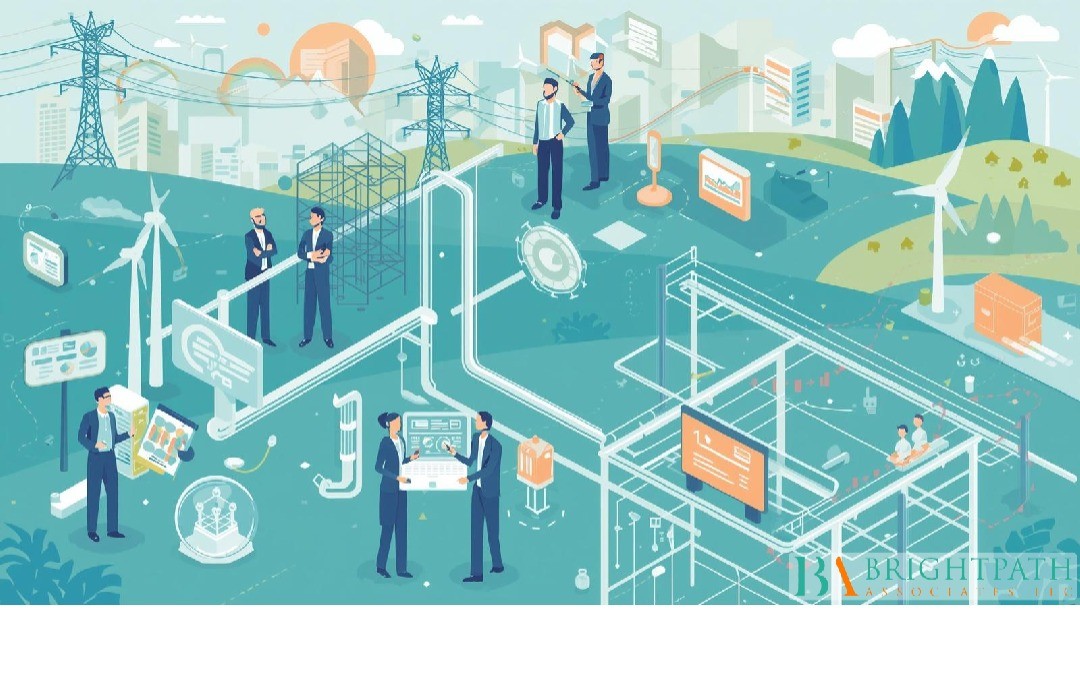
The global energy landscape is undergoing a profound transformation, driven by the accelerating adoption of renewable energy, increasing electrification, and the urgent need for sustainability. At the center of this transition lies one critical enabler: the smart grid. For leaders in small to mid-sized renewable and environmental enterprises across the United States, smart grid implementation is no longer a futuristic concept—it is a strategic necessity. As energy systems evolve from centralized, fossil-fuel-based models to decentralized, renewable-driven ecosystems, organizations must rethink how electricity is generated, distributed, and consumed. The question for today’s C-suite executives is not whether to adopt smart grid technologies, but how to implement them effectively to unlock long-term value.
A smart grid represents a significant evolution from traditional power infrastructure. Unlike conventional grids that operate on a one-way flow of electricity from generation to consumption, smart grids incorporate advanced sensors, communication networks, and digital control systems to enable real-time monitoring, two-way energy flow, and dynamic optimization. This transformation allows energy systems to become more efficient, resilient, and adaptable—qualities that are essential in a renewable energy environment characterized by variability and distributed generation sources such as solar and wind.
One of the most compelling advantages of smart grid implementation is its ability to integrate renewable energy at scale. Renewable energy sources are inherently intermittent, with production levels influenced by weather conditions and time of day. Traditional grids struggle to manage this variability, often leading to inefficiencies or instability. Smart grids address this challenge by enabling real-time data analysis and automated adjustments that balance supply and demand. They support distributed energy resources, including rooftop solar systems and battery storage, allowing energy to flow not just from producers to consumers, but also in reverse when excess power is generated. This bidirectional capability is a cornerstone of modern energy systems, empowering businesses and consumers to become active participants in energy management.
Beyond integration, smart grids significantly enhance operational efficiency and reliability. Advanced monitoring systems and predictive analytics enable utilities and organizations to identify potential issues before they escalate into failures. This “self-healing” capability allows grids to detect faults, isolate affected areas, and reroute power automatically, minimizing downtime and improving service continuity. For businesses operating in energy-intensive environments, this reliability translates directly into reduced operational risk and improved productivity.
However, the benefits of smart grid implementation extend far beyond operational improvements. They also unlock new economic opportunities. By optimizing energy usage and enabling dynamic pricing models, smart grids allow organizations to reduce costs and improve financial performance. Businesses can adjust their energy consumption based on real-time pricing signals, shifting usage to periods of lower demand and cost. This flexibility not only reduces expenses but also contributes to overall grid stability. Furthermore, the integration of electric vehicles and energy storage systems creates additional revenue streams, as these assets can serve as distributed energy resources that supply power back to the grid when needed.
Despite these advantages, implementing smart grid technologies is not without challenges. One of the primary obstacles is the complexity of integrating new digital systems with existing infrastructure. Many organizations operate legacy systems that were not designed to accommodate advanced technologies, making integration a technically demanding and resource-intensive process. Additionally, the deployment of smart grids requires significant investment in infrastructure, technology, and workforce development. For small to mid-sized enterprises, these costs can be a barrier to adoption, particularly in the absence of clear short-term returns.
Cybersecurity is another critical concern in smart grid implementation. As energy systems become increasingly interconnected and data-driven, they also become more vulnerable to cyber threats. Protecting sensitive data and ensuring the integrity of grid operations requires robust security measures, including advanced encryption, continuous monitoring, and multi-layered defense strategies. For C-suite leaders, cybersecurity must be a central component of any smart grid strategy, integrated into both technology planning and organizational processes.
Regulatory and policy frameworks also play a significant role in shaping smart grid adoption. Energy markets are highly regulated, and compliance requirements can vary across regions and jurisdictions. Navigating these complexities requires a deep understanding of regulatory environments and proactive engagement with policymakers. Organizations that align their strategies with regulatory trends and incentives are better positioned to capitalize on opportunities while minimizing compliance risks.
At the heart of successful smart grid implementation lies leadership. Technology alone cannot drive transformation; it requires leaders who can align organizational strategy with technological innovation. C-suite executives must take a holistic approach, integrating smart grid initiatives into broader business objectives, including sustainability, operational efficiency, and market expansion. This involves fostering cross-functional collaboration, investing in workforce development, and building a culture of innovation that embraces change.
Talent plays a pivotal role in this transformation. The shift toward smart grids demands new skill sets, including expertise in data analytics, digital systems, energy management, and cybersecurity. Organizations must attract and retain professionals who can bridge the gap between traditional energy operations and advanced technological capabilities. For small to mid-sized enterprises, this challenge is particularly acute, as competition for skilled talent intensifies across the industry. Strategic executive recruitment becomes essential, enabling organizations to secure leaders who can drive innovation and navigate complexity.
For organizations looking to better understand the broader dynamics shaping the renewable and environmental sector. This page provides valuable insights into how businesses are adapting to the evolving energy landscape and leveraging emerging technologies to achieve growth.
To gain deeper insights into smart grid implementation and its strategic implications for renewable energy, you can read the original article here: Smart Grid Implementation. This analysis offers a detailed perspective on how organizations can navigate challenges and capitalize on opportunities in this rapidly evolving field.
As the energy transition accelerates, the importance of smart grid implementation will continue to grow. Organizations that embrace this transformation will not only enhance their operational capabilities but also position themselves as leaders in a sustainable, low-carbon future. The ability to integrate renewable energy, optimize performance, and adapt to changing market conditions will define success in the years ahead.
Call to Action: How is your organization approaching smart grid implementation in the context of renewable energy transformation? Are you leveraging technology to drive efficiency and sustainability, or facing challenges in adoption and integration? What opportunities do you see emerging in the next 3–5 years? Share your insights in the comments—we’d love to hear your perspective. And if you’re looking to strengthen your leadership team to navigate this transformation, connect with BrightPath Associates LLC to discover how the right talent can power your organization’s future growth.
