Smart Contract Packaging: When to Keep Production In-House
Author : Todd Beddard | Published On : 08 Oct 2026
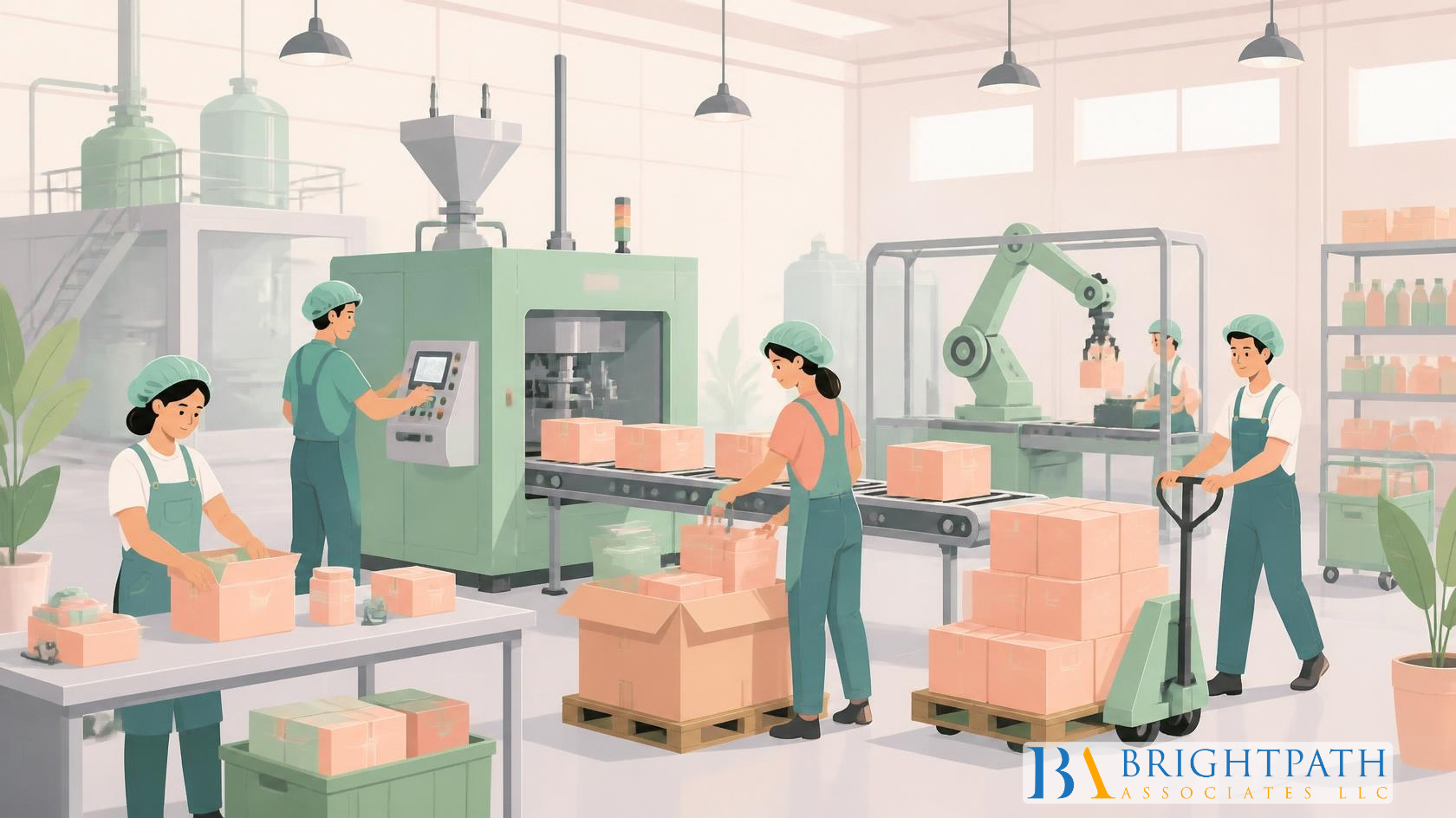
Packaging has become far more than the final step between manufacturing and the customer. For many U.S. manufacturers, packaging influences product protection, production speed, sustainability, brand differentiation, logistics, and customer satisfaction. As technology advances and operating costs remain under pressure, companies are increasingly reconsidering a fundamental question: should packaging production remain in-house, or should it be outsourced to a contract packaging partner?
Contract packaging can provide flexibility, specialized capabilities, and access to equipment without requiring significant capital investment. At the same time, maintaining packaging operations internally can offer greater control over quality, scheduling, intellectual property, customization, and production responsiveness.
Looking Beyond the Per-Unit Cost
One of the most common mistakes manufacturers make when evaluating contract packaging is comparing only the cost per packaged unit. Although this figure is important, it does not represent the complete economics of the decision.
Outsourcing can reduce the need for equipment purchases, facility expansion, maintenance, and specialized labor. However, external packaging costs can also include transportation, provider margins, quality requirements, changeover expenses, inventory considerations, and coordination costs.
In-house production may require a larger upfront investment, but the economics can become more attractive when production volumes are high and predictable. Equipment that operates consistently at strong utilization levels can distribute fixed costs across a larger production base. Manufacturers therefore need to examine the total lifecycle cost of each model rather than making decisions based on a single operating expense.
When High Production Volume Favors In-House Packaging
A company producing consistent volumes throughout the year may be able to justify dedicated packaging machinery, automation, labor, and facility infrastructure. Internal operations can also provide greater control over scheduling, quality standards, packaging specifications, and last-minute production changes.
However, volume alone should not determine the decision. A high-volume operation running inefficiently may actually benefit more from modernization than from simply expanding its internal infrastructure.
Executives must also consider equipment utilization, maintenance requirements, labor availability, product complexity, expected demand growth, and the technological capabilities of the existing facility.
Automation Can Change the Outsourcing Equation
Modern packaging machinery is fundamentally changing the economics of in-house production. Robotics, machine vision, automated material handling, connected equipment, advanced controls, and real-time production monitoring can reduce manual intervention while improving consistency and throughput.
Packaging Machinery Optimization can reveal opportunities that may otherwise remain hidden. Manufacturers can evaluate line speed, downtime, changeover performance, equipment utilization, energy consumption, maintenance requirements, and overall equipment effectiveness.
This is particularly important for small and mid-sized manufacturers. Before deciding that outsourcing is cheaper, leadership should determine whether existing assets are simply being underutilized. An automated packaging line operating at substantially higher efficiency may make internal production considerably more competitive.
Predictive Analytics Makes Internal Operations Smarter
Traditional packaging facilities often depend on scheduled maintenance or reactive repairs. Predictive analytics allows manufacturers to monitor machine conditions and identify patterns that may indicate developing equipment problems.
Temperature, vibration, pressure, speed, energy consumption, and other operational signals can provide insight into equipment health. The broader digital transformation of the Packaging and Containers Industry is therefore making the in-house-versus-outsourcing decision increasingly sophisticated.
When these technologies are integrated into packaging operations, companies can potentially reduce unexpected downtime and improve asset reliability. That matters when evaluating outsourcing because the cost advantage of an external provider may narrow if an internal facility can deliver reliable, highly optimized production.
What Should Executives Ask Before Making the Decision?
Before investing in internal packaging infrastructure or signing a long-term contract packaging agreement, leadership teams should examine several fundamental questions. These questions move the discussion beyond short-term cost and toward long-term business value.
Is production volume sufficiently predictable to justify dedicated equipment? Does packaging represent a competitive differentiator? How much flexibility does the business require? Can the organization recruit and retain the technical talent needed to operate an advanced facility? What are the implications for sustainability and intellectual property? How vulnerable is the current supply chain to external disruptions?
The original BrightPath analysis, Smart Contract Packaging: When to Keep Production In-House, explores these trade-offs in greater depth, including packaging automation, predictive analytics, sustainability, supply-chain resilience, and the growing importance of specialized packaging leadership.
Conclusion: Choose the Capability That Creates Strategic Value
The best packaging strategy is rarely the one that simply produces the lowest immediate cost. For some manufacturers, contract packaging offers the ideal combination of flexibility, specialized expertise, and reduced capital requirements. For others, internal production provides greater control, faster response times, stronger innovation capabilities, and better long-term economics.
The critical issue is understanding which packaging capabilities create strategic value and determining where those capabilities should reside. As automation, sustainability, digital manufacturing, and supply-chain complexity continue to reshape the Packaging and Container Industry, leadership decisions will become just as important as equipment decisions.
If your organization is considering packaging expansion, automation, outsourcing, or a hybrid production model, BrightPath Associates LLC can help identify the executive and specialized talent needed to make that strategy successful. Connect with BrightPath Associates LLC today to discuss how the right leadership can strengthen your packaging operation and support long-term growth.
