Small Mill’s Guide to AI-Powered Predictive Maintenance
Author : Kabir Pathan | Published On : 07 Jul 2026
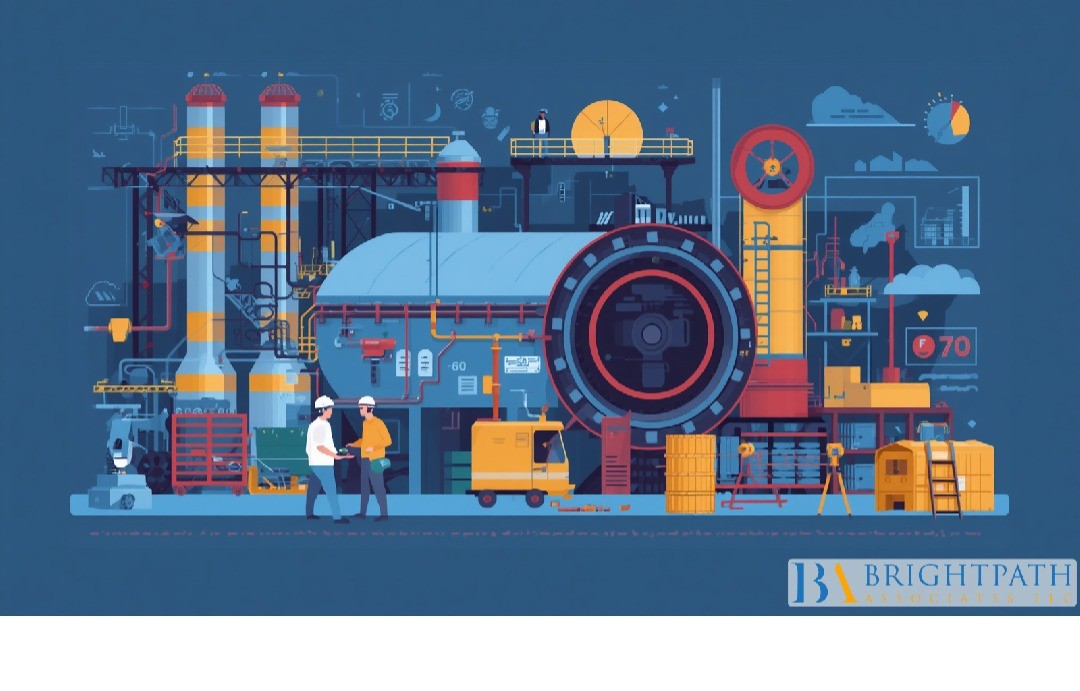
For decades, paper mills and forest products manufacturers have relied on preventive maintenance schedules and reactive repairs to keep production lines running. While these methods have served the industry reasonably well, they often lead to unexpected equipment failures, costly downtime, excessive maintenance expenses, and missed production targets. In an industry where profit margins are increasingly influenced by operational efficiency, sustainability, and supply chain reliability, these disruptions can significantly impact competitiveness.
Today, artificial intelligence (AI) is transforming how small and mid-sized mills approach equipment maintenance. Once considered a technology reserved for multinational manufacturers, AI-powered predictive maintenance has become increasingly accessible to smaller operations seeking to maximize equipment reliability while controlling operational costs.
For executives across the paper and forest products sector, predictive maintenance is no longer simply a technological upgrade—it is becoming a strategic investment that supports long-term growth, operational resilience, and workforce productivity.
Why Traditional Maintenance Models Are No Longer Enough
Most mills still rely on one of two maintenance approaches: scheduled preventive maintenance or reactive maintenance after equipment failure. Although preventive maintenance reduces catastrophic breakdowns, it often results in replacing perfectly functional components earlier than necessary. Reactive maintenance, on the other hand, frequently leads to production interruptions, emergency repairs, overtime labor, expedited parts shipments, and dissatisfied customers.
As production systems become increasingly interconnected, these traditional maintenance models struggle to keep pace with modern operational demands. Unexpected downtime not only affects manufacturing output but also impacts inventory planning, customer commitments, energy efficiency, and overall profitability.
AI Improves More Than Equipment Reliability
Many business leaders initially invest in predictive maintenance to reduce breakdowns. However, its value extends far beyond maintenance departments. Reliable equipment supports more consistent production schedules, higher product quality, improved customer service, lower energy consumption, and better utilization of manufacturing assets.
AI also enables maintenance managers to prioritize repairs according to operational risk instead of treating every maintenance issue equally. This allows organizations to allocate maintenance budgets more strategically while improving plant-wide efficiency. For smaller mills operating with limited maintenance personnel, this optimization can create substantial competitive advantages.
Sustainability Benefits Extend Beyond Maintenance
Sustainability continues becoming a strategic priority across the paper and forest products industry. Well-maintained equipment consumes less energy, produces fewer emissions, minimizes raw material waste, and extends asset lifecycles.
Reducing unexpected failures also decreases emergency transportation, unnecessary replacement parts, and production scrap. Companies operating within the Paper & Forest Products Industry increasingly recognize that predictive maintenance contributes to both environmental responsibility and financial performance.
Why Executive Talent Matters More Than Ever
Digital transformation succeeds when leadership embraces both technology and organizational change. Small and mid-sized paper manufacturers increasingly seek executives who can balance operational excellence, manufacturing innovation, sustainability, workforce engagement, and financial performance.
Experienced leaders create cultures that encourage continuous improvement, cross-functional collaboration, and data-driven decision-making. Finding these executives has become increasingly competitive, making specialized executive recruitment an important business advantage.
For organizations looking to accelerate their digital journey, the right leadership team can significantly influence implementation success. For additional practical insights into predictive maintenance strategies, explore BrightPath Associates' article, Small Mill's Guide to AI-Powered Predictive Maintenance, which examines how AI is helping manufacturers reduce downtime, optimize maintenance investments, and strengthen long-term operational performance.
Preparing for the Next Generation of Manufacturing
For small and mid-sized paper mills, predictive maintenance represents one of the most practical and financially rewarding entry points into Industry 4.0. By improving equipment reliability, reducing operational costs, enhancing sustainability, and strengthening production performance, AI enables organizations to compete more effectively in an increasingly demanding marketplace.
The mills that embrace predictive maintenance today will be better positioned to improve profitability, strengthen customer relationships, and navigate future operational challenges with confidence.
