Sleep Apnea and Relationships: What I’ve Seen Across the Desk
Author : Dr Yatin J. Patel | Published On : 17 Nov 2026
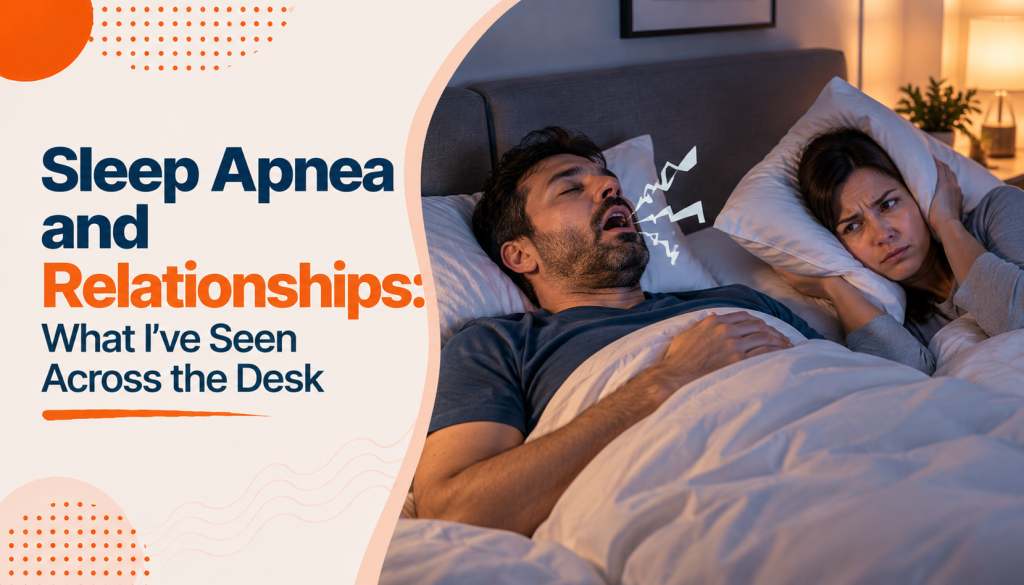
John and Maria, as I call them in my book, had slept in separate bedrooms for over a decade.
His snoring first drove her to the guest room. Later, his gasping kept her awake even through the wall. Eventually, they stopped trying. They ate dinner at different times and stopped talking about their days.
When John finally got tested and started CPAP, Maria was skeptical.
I have seen this pattern repeat throughout my years of practicing sleep medicine. Sleep apnea does not affect just the person who stops breathing at night. The partner loses sleep too. Over time, exhaustion, irritability, and the lack of energy for conversation or intimacy can create distance between two people.
For many couples, sleeping in separate bedrooms begins as a temporary solution. But sometimes that distance gradually becomes part of everyday life. Not every couple who sleeps apart is unhappy, but it becomes a concern when neither partner really wanted the separation.
What can change after treatment? Research suggests that CPAP therapy can have a positive effect on relationship satisfaction for some couples. In my own experience, I have seen partners become more rested, more connected, and more willing to share the simple moments of everyday life.
That is what happened with John and Maria. Once John started CPAP, his snoring and gasping eased. Maria gradually returned to their bedroom. A few months later, she told me, "We actually talk before we fall asleep."
I also hear something interesting from partners when we talk about the CPAP machine. Many patients worry that their partner will dislike the mask or the sound of the machine. But partners often tell me that the soft hum is much better than the frightening silence of interrupted breathing.
If you are the partner of someone with suspected sleep apnea, your sleep matters too. You have been listening, worrying, and living with the effects of disrupted sleep. Consider attending the sleep appointment together. Your observations may help the doctor understand what happens during the night.
Years after Maria and John found their way back to the same bedroom, they sent me a card on their 41st anniversary. The front said, "We slept on it." Inside were three words: "For forty-one years."
Some patient stories stay with you. This is one of them.
Have you wondered how sleep apnea can affect a relationship and what may change after treatment?
Read my full article, Sleep Apnea and Relationships: What I've Seen Across the Desk, where I share more about the experiences of couples, the research, and the importance of recognizing how sleep apnea affects both partners.
Read More About: Sleep Apnea and Relationships: What I’ve Seen Across the Desk
