Site Planning Design: Creating Functional, Sustainable, and Well-Organized Spaces
Author : Laneli Engineers | Published On : 17 Nov 2026
Site planning design is an essential part of any successful construction and development project. It involves organizing land, buildings, roads, parking areas, landscaping, utilities, and other site features to create a functional, attractive, and sustainable environment. Whether developing a commercial property, residential community, industrial facility, or institutional building, proper site planning ensures that every part of the property is used efficiently while meeting project requirements and local regulations.
Understanding the Importance of Site Planning Design
Effective site planning begins with understanding the characteristics of the land and the purpose of the proposed development. Every property has unique features, including its size, shape, elevation, soil conditions, drainage patterns, and surrounding environment. A detailed assessment of these factors helps designers develop practical solutions that support construction goals and minimize potential challenges.
Professional site planning design also helps property owners make informed decisions before construction begins. By identifying possible limitations early, developers can reduce unexpected expenses, avoid design conflicts, and establish a realistic construction plan.
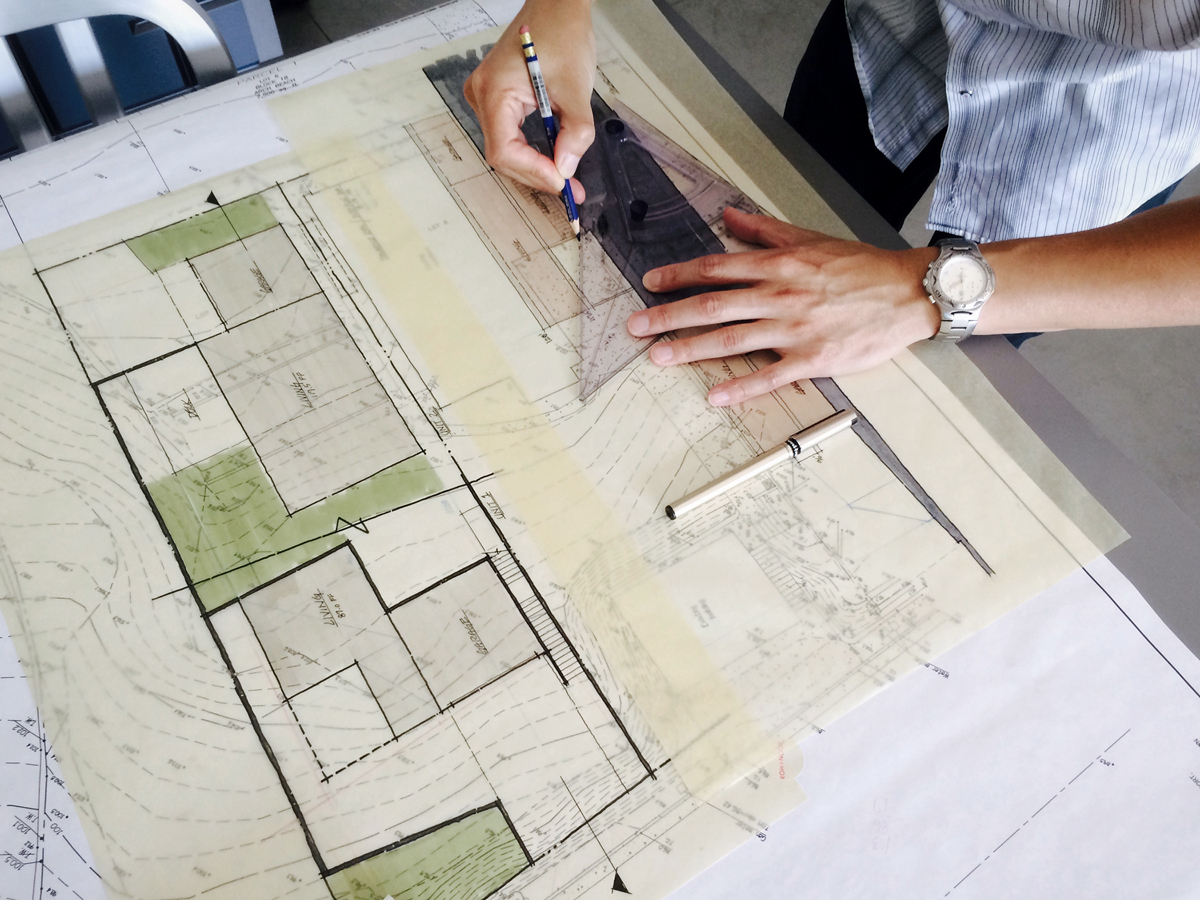
Key Elements of Professional Site Planning
A successful site plan brings together several important design components. Building placement is one of the primary considerations because structures must be positioned to maximize available space, provide convenient access, and maintain appropriate setbacks. Designers also consider sunlight, natural ventilation, privacy, and relationships between different areas of the property.
Access roads, driveways, sidewalks, and parking facilities are equally important. A well-organized circulation system allows vehicles and pedestrians to move safely and efficiently throughout the site. Commercial properties may require dedicated delivery zones, emergency vehicle access, accessible parking spaces, and designated pedestrian pathways.
Drainage and grading are other critical aspects of site planning. Proper grading directs surface water away from buildings and other sensitive areas, helping prevent flooding, erosion, and water-related structural problems. Stormwater management solutions, such as drainage systems and retention areas, can further improve site performance.
Landscaping also contributes to the overall quality of a development. Green spaces, trees, planting areas, and outdoor gathering spaces enhance visual appeal while supporting environmental sustainability.
The Role of Civil Engineering in Site Planning
Civil engineering plays a significant role in transforming site planning concepts into practical construction-ready designs. Engineers evaluate existing site conditions and prepare grading, drainage, utility, and infrastructure plans that support the proposed development.
Their expertise helps ensure that roads, underground utilities, stormwater systems, and other infrastructure elements work together effectively. Coordination between civil engineers, architects, structural engineers, and other professionals is essential for avoiding conflicts and maintaining project efficiency.
A coordinated approach also helps ensure that the proposed site design complies with applicable building codes, zoning requirements, accessibility standards, and environmental regulations.
Benefits of Hiring Professional Site Planning Services
Working with experienced site planning professionals offers several advantages. First, it helps maximize land utilization by organizing buildings, parking, landscaping, and infrastructure in an efficient manner. Second, it can reduce construction costs by identifying potential site challenges before they become expensive problems.
Professional planning also improves safety, accessibility, and long-term functionality. Thoughtful placement of buildings, roads, utilities, and pedestrian areas creates a more convenient environment for occupants, employees, customers, and visitors.
Additionally, sustainable site planning strategies can reduce environmental impact. Incorporating green spaces, efficient drainage systems, native landscaping, and environmentally responsible design practices supports long-term property performance.
Conclusion
Site planning design is a fundamental step in creating successful construction and development projects. From evaluating existing land conditions to designing building layouts, access routes, drainage systems, and landscaping, every detail contributes to the functionality and value of a property.
By working with qualified site planning professionals, developers and property owners can create organized, sustainable, and construction-ready environments that meet their current needs while supporting future growth. Investing in professional site planning services helps establish a strong foundation for efficient development, improved safety, and lasting project success.
