Single Dental Implants: A Reliable Solution for Missing Teeth
Author : Trusmile Implants | Published On : 14 Sep 2026
Single dental implants are designed to replace one missing tooth from the root upward. The treatment typically involves a small titanium implant post that is placed into the jawbone. Once the implant has integrated with the surrounding bone, an abutment and custom-made dental crown are attached to complete the restoration.
Unlike a traditional dental bridge, a single implant does not require the neighboring healthy teeth to be filed down for support. This makes implants an attractive option for people who want to replace a missing tooth while preserving their remaining natural teeth.
Benefits of Single Dental Implants
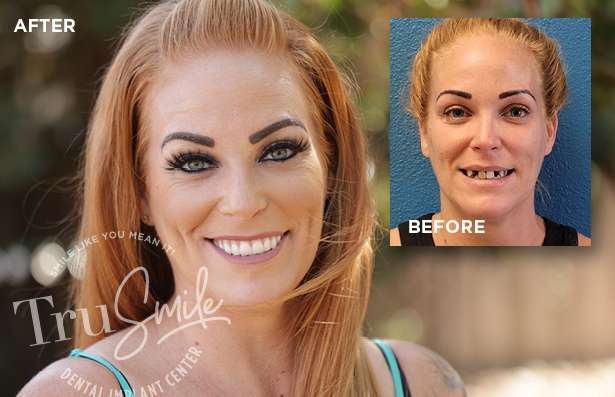
One of the main advantages of single dental implants is their natural appearance. A customized crown can be designed to closely match the color, shape, and size of your surrounding teeth, helping create a seamless smile.
Dental implants can also restore normal chewing function. Because the implant is anchored into the jawbone, it provides a stable foundation for the replacement tooth. Additionally, replacing a missing tooth can help maintain proper spacing and reduce unwanted movement of neighboring teeth.
Another important benefit is durability. With proper oral hygiene, regular dental visits, and good overall care, dental implants can provide a long-term tooth replacement solution.
Who May Be a Candidate?
Many adults with one missing tooth may be candidates for single dental implants. However, successful treatment depends on factors such as jawbone health, gum condition, overall oral health, and personal habits. Patients with insufficient bone may sometimes require a bone graft before implant placement.
A dental professional can evaluate your teeth, gums, and jawbone and determine whether an implant is appropriate for your needs.
The Treatment Process
The process generally begins with a comprehensive dental examination and imaging. The implant is then carefully placed into the jawbone. A healing period follows, allowing the implant to bond with the bone through a process called osseointegration. Once healing is complete, the abutment and permanent crown can be placed.
The exact timeline varies from patient to patient depending on healing, bone health, and whether additional procedures are required.
Caring for Your Dental Implant
Caring for a single dental implant is similar to caring for natural teeth. Brushing twice daily, cleaning between the teeth, attending regular dental checkups, and maintaining healthy lifestyle habits can help protect your implant and surrounding gums.
If you are missing one tooth, single dental implants may provide a comfortable, stable, and aesthetically pleasing replacement. Schedule a consultation with a qualified dental professional to learn whether this treatment is right for your smile.
