Simple and Effective Ways to Relieve Painful Back Knots
Author : The ChiropractOrr The ChiropractOrr | Published On : 16 Mar 2026
Muscle knots are a common issue many people experience, especially those who spend long hours sitting, working on computers, or performing repetitive physical tasks. If you’ve ever felt a tight, tender spot in your back that causes discomfort or limits your movement, you’ve likely experienced a muscle knot. Understanding how to get rid of back knots can help you reduce pain, improve flexibility, and restore your overall comfort.
These knots, also known as trigger points, form when muscle fibers tighten and fail to relax properly. They may cause localized pain or even radiate discomfort to nearby areas. Fortunately, there are several effective strategies you can use to relieve them and keep your muscles healthy.
Understanding What Causes Muscle Knots
Before treating muscle knots, it’s helpful to understand why they occur. Muscle knots often develop due to muscle overuse, poor posture, dehydration, stress, or lack of physical activity. Sitting for extended periods without stretching can cause muscles in the neck, shoulders, and back to tighten and form painful knots.
Athletes and individuals who perform repetitive movements may also develop knots due to muscle strain. Emotional stress can contribute as well, since tension often builds up in the shoulders and upper back. Over time, this tension can create persistent tight spots that feel sore when pressed.
Recognizing these causes allows you to make small lifestyle changes that prevent knots from forming in the first place.
Stretching and Gentle Movement
One of the most effective ways to relieve muscle knots is through stretching. Gentle stretching improves circulation, loosens tight muscle fibers, and helps restore flexibility. When you stretch regularly, you reduce tension in the muscles that commonly develop knots.
Simple stretches for the neck, shoulders, and upper back can provide significant relief. For example, shoulder rolls, neck tilts, and upper back stretches help release tight muscles caused by poor posture or prolonged sitting.
Incorporating short stretch breaks throughout the day can prevent knots from forming and help maintain healthy muscle function.
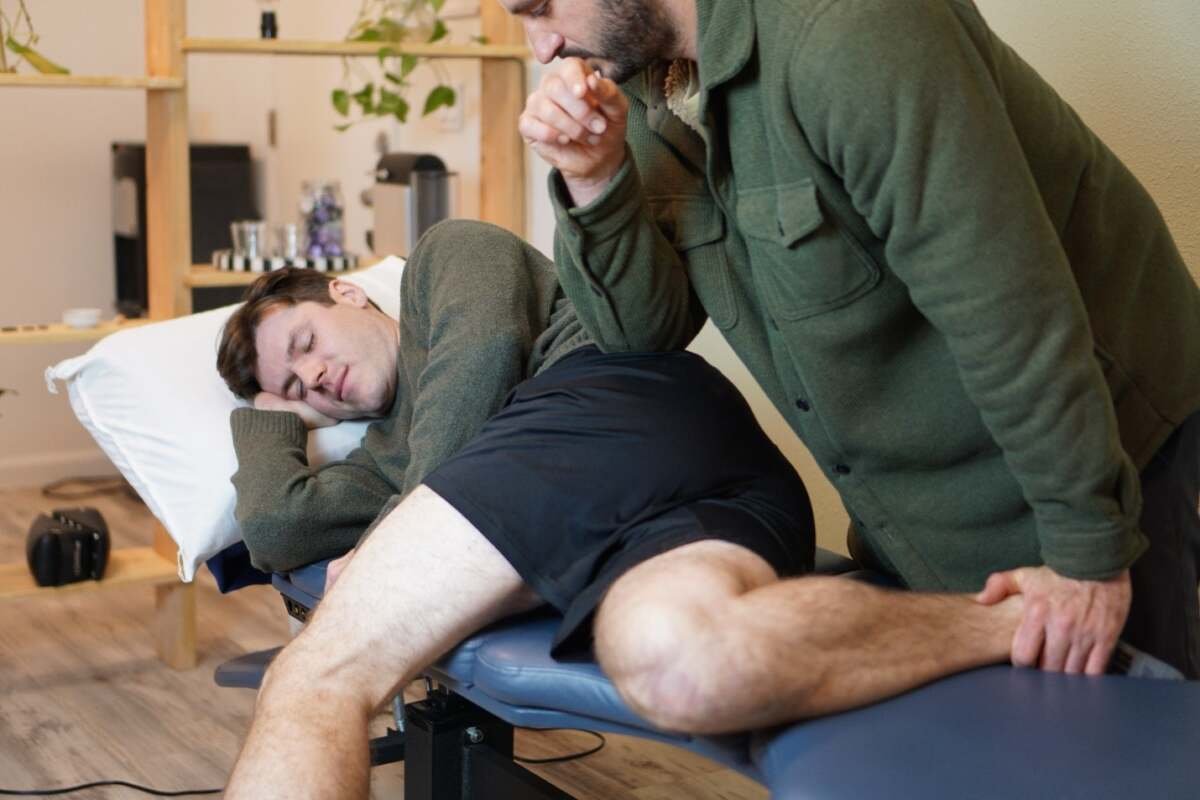
Massage Therapy for Knot Relief
Massage therapy is a well-known method for treating muscle knots. Applying direct pressure to the affected area can help break up tight muscle fibers and improve blood flow.
You can use your fingers, a massage ball, or a foam roller to gently massage the knot. Applying steady pressure for 30 to 60 seconds often helps the muscle release tension. Professional massage therapists are also skilled at identifying trigger points and providing deeper relief.
Regular massage sessions can help reduce chronic muscle tension and improve overall relaxation.
Using Heat and Cold Therapy
Heat and cold therapy are simple yet powerful tools for relieving muscle discomfort. Applying a warm heating pad or taking a hot shower helps relax tight muscles and improve circulation.
Cold therapy, such as an ice pack, can reduce inflammation and numb pain in the affected area. Many people find that alternating between heat and cold works best for stubborn knots.
Heat is typically more effective for chronic muscle tightness, while cold therapy works better for recent injuries or inflammation.
Improving Posture and Ergonomics
Poor posture is one of the leading causes of back knots. Slouching while sitting or hunching over electronic devices places extra strain on the muscles in your neck and back.
Improving your posture can significantly reduce the likelihood of developing muscle knots. Keep your shoulders relaxed, your back straight, and your workstation at a comfortable height.
Ergonomic chairs, adjustable desks, and proper monitor positioning can also help reduce muscle tension throughout the day.
Staying Hydrated and Physically Active
Hydration plays a surprisingly important role in muscle health. Dehydrated muscles are more prone to stiffness and tightness, which can lead to knots. Drinking enough water helps maintain proper muscle function and elasticity.
Regular physical activity also prevents muscles from becoming stiff. Activities such as walking, swimming, yoga, or light strength training keep muscles flexible and improve circulation.
Even small lifestyle adjustments, like standing up and moving every hour, can make a big difference in preventing muscle knots.
Professional Chiropractic Care for Persistent Knots
Sometimes muscle knots become chronic and difficult to treat at home. In these cases, professional care may be necessary. Chiropractors specialize in identifying musculoskeletal imbalances that contribute to muscle tension.
Through targeted adjustments, soft tissue therapy, and personalized treatment plans, chiropractic care can help relieve persistent muscle tightness and restore proper alignment.
If you’re struggling with stubborn tension and wondering how to get rid of knotted muscles consulting a qualified professional can provide lasting relief and prevent future discomfort.
Conclusion
Muscle knots in the back can be uncomfortable, but they are often manageable with the right approach. Stretching regularly, improving posture, staying hydrated, and using massage or heat therapy can all help reduce tension and promote healthier muscles.
However, when knots become persistent or painful, professional treatment may be the best solution. With expert guidance and proper care, you can restore mobility and enjoy a more comfortable, pain-free lifestyle. For those seeking trusted chiropractic support and effective treatment options, thechiropractorr.com offers valuable resources and professional services to help you achieve long-term relief.
