Silicone Sealant: Dependable Solution For Sealing, Bonding and Surface Protection
Author : Alstone WPC | Published On : 13 Aug 2026
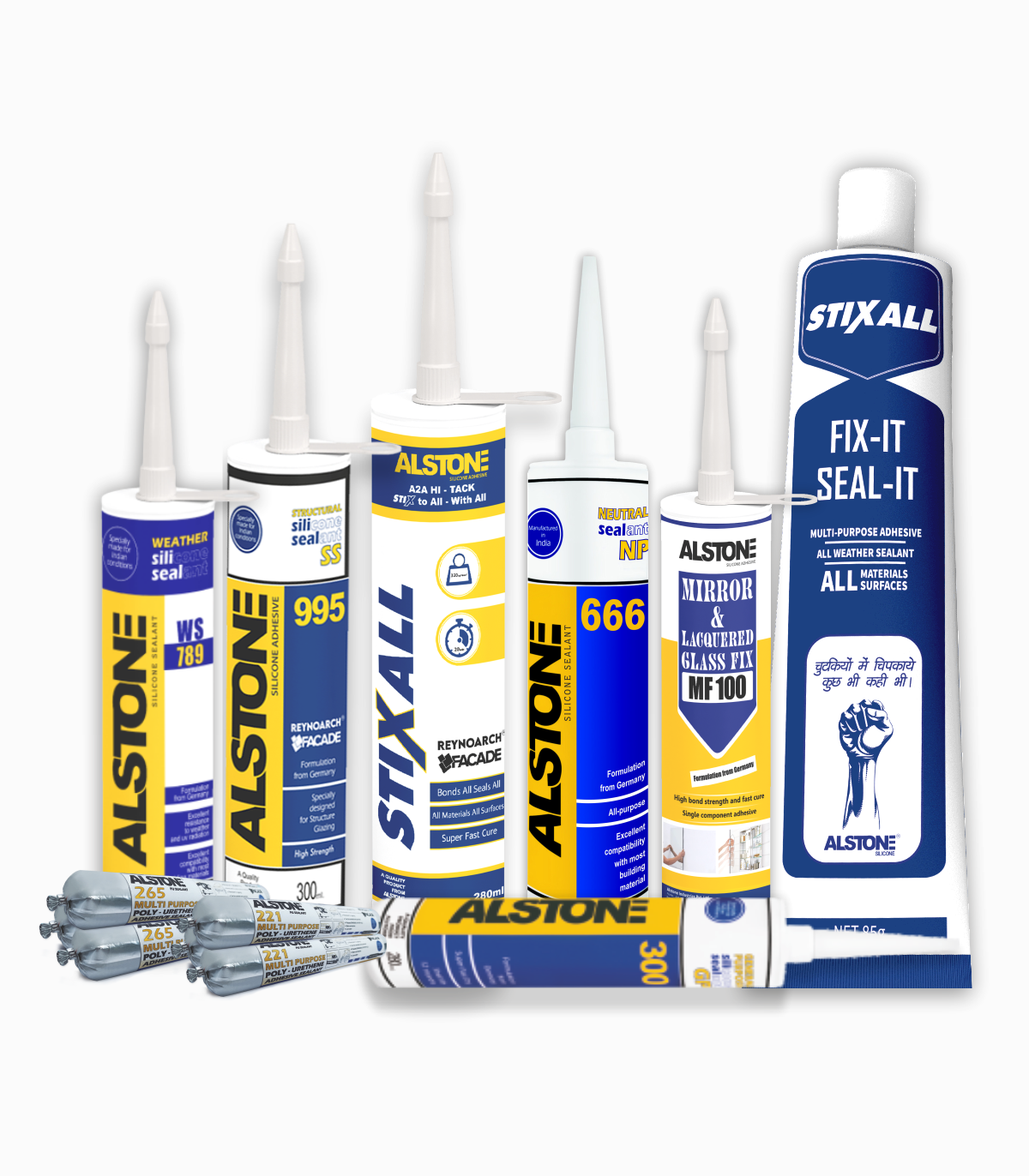
Today’s construction and interior projects need materials that protect against moisture and environmental exposure, as well as flexibility and durability. Even well-designed structures are composed of joints, gaps, edges and junctions between various materials.
It is often used to fill gaps and seal connections between suitable surfaces. Cured silicone, unlike stiff fillers, can allow some movement and is thus suited for locations where materials expand and contract with temperature fluctuations or undergo little movement during service. Silicone sealant is utilised in residential, commercial, industrial, architectural and maintenance applications.
It is used around windows and doors and in kitchens and bathrooms, around sinks and countertops, between tiles and fixtures and many other places where moisture protection and flexible sealing are needed. The reason Silicone Sealant is so versatile is that it can work in many various situations with the right formulation. Some silicone sealants are for general interior usage, while others are for weather exposure, high temperatures, glass, sanitary uses or specialist building needs.
The most significant feature of Silicone Sealant is flexibility. It stays elastic after curing and can sustain some movement. This allows neighbouring surfaces to expand, compress or move slightly and helps to maintain a continuous seal. Another important trait is resistance to moisture. A properly cured silicone may provide a water resistant barrier for preventing water ingress via cracks and gaps.
Also compatibility with suitable substrates is vital. Silicone will attach well to certain materials if the surfaces are cleaned and prepared appropriately. That said, other substrates may need primers or other sealants
