Should Miami Homeowners Upgrade Attic Insulation Before Installing a New HVAC System?
Author : Attic Insulation Plus Miami | Published On : 04 Nov 2026
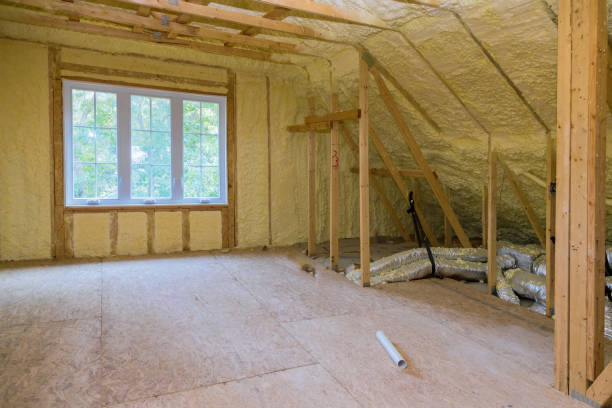
Installing a new HVAC system is a major investment for any homeowner in Miami. A modern heating and cooling system can improve indoor comfort, provide better temperature control, and reduce energy consumption. However, even the most advanced HVAC equipment may struggle to deliver the expected results if your home has poor attic insulation.
Miami's hot and humid climate puts considerable pressure on residential cooling systems. During warmer months, heat can enter through the roof and transfer into the living spaces below. If attic insulation is damaged, outdated, or insufficient, your air conditioner may need to run longer to maintain a comfortable indoor temperature.
This raises an important question: should homeowners upgrade attic insulation before installing a new HVAC system? In many situations, the answer is yes. Evaluating and improving attic insulation before replacing your heating and cooling equipment can help create a more energy-efficient and comfortable home.
Why Attic Insulation Matters Before HVAC Installation
Attic insulation plays an important role in controlling heat transfer between your roof and living spaces. It creates a barrier that helps prevent outdoor heat from entering your home while reducing the amount of conditioned air lost through the ceiling.
In Miami, roofs receive significant exposure to direct sunlight. As roofing materials heat up, the temperature inside the attic can rise considerably. Without proper insulation, some of that heat moves into the rooms below, making the HVAC system work harder.
When homeowners install a new air conditioner without addressing insulation problems, the new equipment may continue experiencing the same challenges as the previous system.
Upgrading attic insulation first helps reduce unnecessary heat gain and creates better conditions for the new HVAC equipment to operate efficiently.
1. Reduce Cooling Costs in Miami's Hot Climate
One of the biggest reasons to upgrade attic insulation before installing a new HVAC system is the potential to reduce cooling expenses.
Air conditioners consume electricity while removing heat from indoor spaces. When excessive heat enters through an inadequately insulated attic, the system must work longer to maintain the desired temperature.
This can result in:
-
Longer air conditioning cycles.
-
Higher monthly electricity bills.
-
Increased demand on HVAC components.
-
Uneven temperatures throughout the home.
-
More frequent cooling system operation.
Proper attic insulation helps slow heat transfer and reduces the cooling load placed on your HVAC system.
For Miami homeowners, addressing insulation problems before installing new equipment can help prevent unnecessary energy waste. Although actual savings depend on the home's condition, insulation quality, and HVAC efficiency, improving the building envelope is an important step toward better energy performance.
2. Help Your New HVAC System Perform Better
A new HVAC system is designed to provide reliable heating and cooling based on your home's requirements. However, those requirements are affected by several factors, including insulation, air leakage, windows, ceiling height, and home layout.
If your attic insulation is inadequate, the HVAC system may need to compensate for heat entering through the ceiling.
For example, a homeowner may replace an older air conditioner with a newer, more efficient model. However, if the attic continues allowing excessive heat into the living areas, the new equipment may still struggle during particularly hot afternoons.
Improving attic insulation helps reduce the amount of heat entering the home. This creates a more stable indoor environment and allows the HVAC system to operate under more manageable conditions.
Before installation, homeowners should consider a professional assessment of both the attic and the existing cooling requirements.
3. Identify and Replace Damaged or Outdated Insulation
Not all attic insulation problems are immediately visible. Over time, insulation can become compressed, contaminated, moisture-damaged, or unevenly distributed.
Older homes may also have insulation materials that no longer provide sufficient thermal protection.
Some common warning signs include:
-
Rooms that remain hot even when the air conditioner is running.
-
Noticeable temperature differences between floors.
-
Rising electricity bills without an obvious explanation.
-
Insulation that appears flattened or displaced.
-
Signs of moisture, mold, or pest activity in the attic.
-
Excessive heat coming through ceilings.
If these problems are present, simply installing a new HVAC system may not address the underlying causes of poor indoor comfort.
Homeowners dealing with deteriorated insulation can explore professional insulation replacement to determine whether existing materials should be removed and replaced.
A professional inspection can help identify the appropriate insulation solution based on attic conditions, existing materials, and the home's energy requirements.
4. Improve Indoor Comfort and Temperature Consistency
Comfort is about more than choosing a lower thermostat setting. A properly insulated home can maintain more consistent indoor temperatures throughout the day.
When attic insulation is insufficient, certain rooms may become warmer than others. Bedrooms directly beneath the roof, upstairs living areas, and rooms with limited ventilation may experience noticeable temperature differences.
This can lead homeowners to lower the thermostat, causing the air conditioner to run longer without fully resolving the problem.
Upgrading insulation helps reduce unwanted heat transfer and supports more consistent temperatures throughout the house.
When combined with a properly selected HVAC system, improved attic insulation can help create a more comfortable living environment.
5. Reduce Unnecessary Wear on HVAC Equipment
Air conditioning systems are designed to operate within specific performance conditions. When a home constantly gains excessive heat, the equipment may need to run for extended periods to maintain the thermostat setting.
Over time, frequent and prolonged operation can contribute to additional wear on important components.
These may include:
-
Compressor components.
-
Blower motors.
-
Electrical connections.
-
Refrigerant system components.
-
Air filters and other maintenance parts.
Good attic insulation helps reduce the cooling demand by limiting heat entering the living areas.
This does not eliminate the need for regular HVAC maintenance, but it can help create more favorable operating conditions for the new system.
Homeowners should also make sure the ductwork is properly sealed and insulated because attic duct leaks can contribute to additional energy losses.
6. Address Air Duct Insulation and Air Leakage
Attic insulation is only one part of your home's energy efficiency. Air ducts also play an important role in delivering conditioned air to different rooms.
In many Miami homes, ductwork runs through hot attic spaces. If ducts have damaged insulation, loose connections, or air leaks, cooled air can escape before reaching its intended destination.
This means your HVAC system may consume more energy while providing less effective cooling.
Before installing new equipment, homeowners should consider inspecting:
-
Duct connections and joints.
-
Damaged or missing duct insulation.
-
Air leaks around the air handler.
-
Supply and return air pathways.
-
Attic openings and ceiling gaps.
The relationship between insulation and cooling equipment is explained further in Why Air Conditioner Insulation Is Essential for Energy Efficiency.
Addressing both attic insulation and ductwork problems can help improve overall HVAC performance.
7. Choose the Right Insulation for Your Miami Home
Not every insulation material is suitable for every attic. The best option depends on your roof structure, available space, existing insulation, moisture conditions, and energy-efficiency goals.
Some common insulation options include:
Fiberglass Batt Insulation: Fiberglass batts are commonly installed between attic joists or roof framing. They provide thermal resistance when properly fitted without gaps or compression.
Blown-In Insulation: This insulation is distributed across attic floors to create relatively even coverage. It can be useful for filling certain hard-to-reach spaces and improving existing insulation levels.
Spray Foam Insulation: Spray foam expands during installation and can help seal air leakage while providing thermal resistance. The appropriate product and installation method depend on the attic design and moisture-control requirements.
A professional insulation assessment can help homeowners select a suitable material rather than choosing an option based only on price.
In Miami's humid environment, moisture management and proper installation are especially important. Insulation should not be installed in a way that traps unwanted moisture or blocks required ventilation.
8. Schedule an Attic Inspection Before Replacing Your HVAC System
Before purchasing a new HVAC system, arrange an inspection of your attic and existing insulation.
A professional assessment can help identify problems that may affect the cooling requirements of your home.
The inspection should consider:
-
Current insulation type and thickness.
-
Insulation gaps and compressed areas.
-
Moisture damage and possible contamination.
-
Air leaks around ceiling penetrations.
-
Duct insulation and connection conditions.
-
Existing attic ventilation.
-
Overall thermal performance.
Florida guidance commonly identifies R-30 as a minimum attic insulation target for Miami-Dade County's climate zone, although the applicable requirements and recommended levels should be confirmed for the specific home and project.
Once the inspection is complete, homeowners can discuss the recommended improvements with their insulation and HVAC contractors.
Why Miami Homeowners Should Consider Professional Insulation Services
Miami homes face demanding weather conditions throughout much of the year. High outdoor temperatures, humidity, and extended air conditioning use make proper insulation an important part of home energy management.
Professional insulation services can help homeowners identify hidden problems, select appropriate materials, and ensure the insulation is installed correctly.
For homeowners in coastal communities, local experience is also valuable because different roof designs, property layouts, and attic conditions can require different insulation approaches.
If you live in the area, explore Attic Insulation Miami Beach to learn more about insulation solutions for local homes.
Working with an experienced insulation contractor before replacing your HVAC system can help you address energy-efficiency problems in the correct order.
What Is the Best Order for Attic Insulation and HVAC Replacement?
For many homeowners, the following sequence is a practical approach:
|
Step |
Recommended action |
|
1 |
Inspect the attic and existing insulation. |
|
2 |
Identify air leaks and moisture problems. |
|
3 |
Repair or replace damaged insulation. |
|
4 |
Inspect and seal attic ductwork. |
|
5 |
Have an HVAC professional calculate the home's cooling load. |
|
6 |
Select and install the appropriately sized HVAC system. |
|
7 |
Test the system and check airflow after installation. |
This order helps ensure that HVAC equipment is selected based on the home's improved thermal performance rather than its previous insulation problems.
An HVAC contractor should perform the appropriate load calculations after planned insulation and air-sealing improvements are considered. Simply installing a larger air conditioner to compensate for poor insulation is not always the right solution.
Frequently Asked Questions
1. Should I replace attic insulation before installing a new HVAC system?
If your existing insulation is damaged, insufficient, or moisture-affected, replacing it before HVAC installation can be beneficial. It helps reduce unwanted heat transfer and allows contractors to assess the home's cooling requirements more accurately.
2. Can new attic insulation lower my electricity bills?
Yes. Proper attic insulation can reduce the amount of outdoor heat entering your living spaces. This may reduce the cooling demand on your air conditioner and help lower electricity consumption. Actual savings depend on the home's existing condition and energy usage.
3. How do I know if my Miami attic needs new insulation?
Common warning signs include uneven indoor temperatures, rising cooling bills, compressed insulation, visible gaps, moisture damage, and rooms that remain warm despite regular air conditioning use. A professional attic inspection can confirm whether replacement is necessary.
4. Does attic insulation help a new air conditioner last longer?
Proper insulation can reduce the cooling demand placed on an HVAC system. This may help limit prolonged operation and unnecessary strain. However, equipment lifespan also depends on correct sizing, installation, maintenance, and operating conditions.
5. What type of attic insulation is best for Miami homes?
Fiberglass batts, blown-in insulation, and spray foam can all be suitable in different situations. The best choice depends on the attic structure, moisture conditions, ventilation requirements, and desired thermal performance.
Final Thoughts
Upgrading attic insulation before installing a new HVAC system is a smart consideration for many Miami homeowners. A new air conditioner cannot solve every energy-efficiency problem, especially when excessive heat continues entering through an inadequately insulated attic.
By inspecting existing insulation, addressing air leaks, improving ductwork, and selecting the right insulation material, homeowners can create better conditions for their new cooling equipment.
If your home has inconsistent temperatures, high cooling bills, or aging attic insulation, consider arranging a professional inspection before investing in a new HVAC system. Taking care of insulation first can support improved comfort, better energy efficiency, and more effective cooling throughout Miami's hot and humid seasons.
