Shey Phoksundo Lake Trek: Nepal's Best-Kept Himalayan Secret
Author : Places Nepal | Published On : 28 Jul 2026
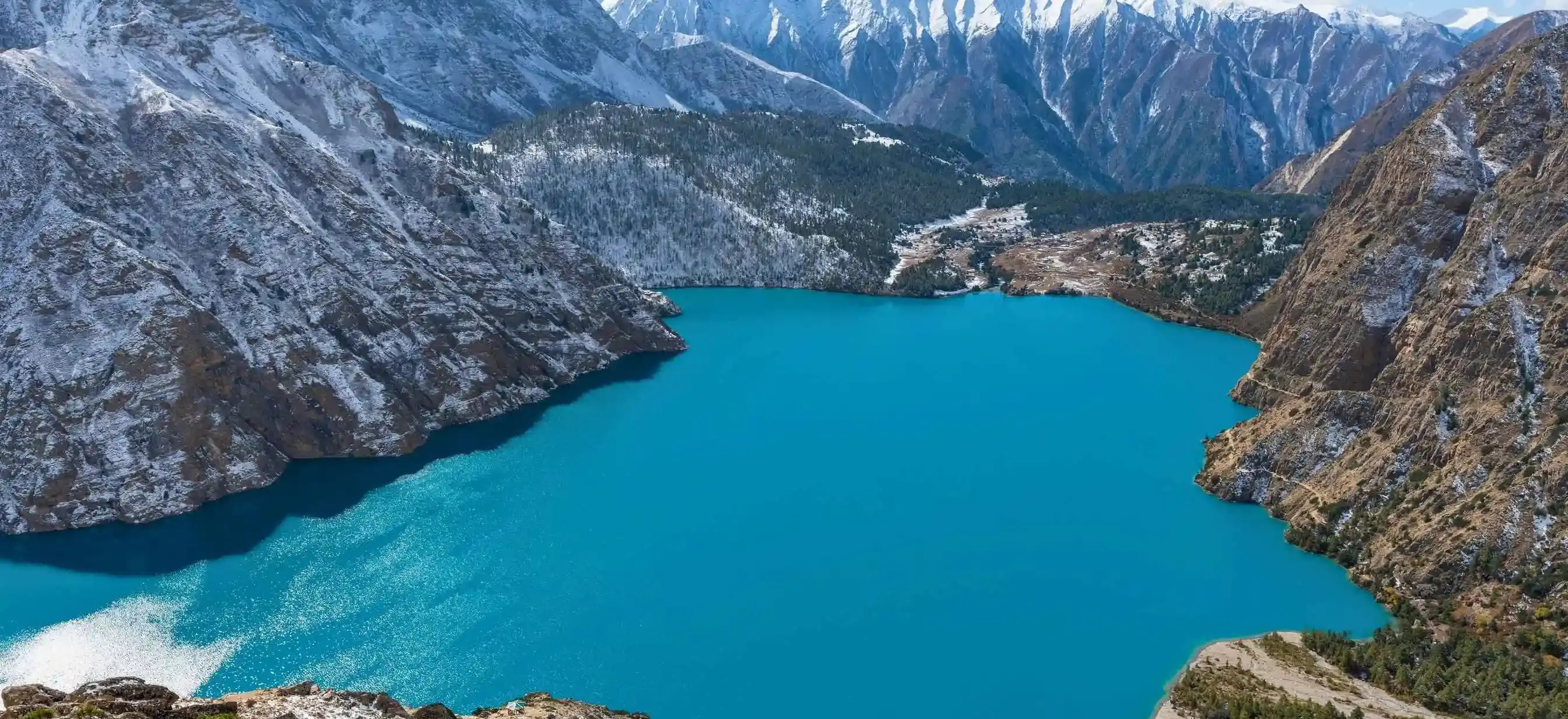
If you've already ticked off the Everest and Annapurna trails and find yourself craving something wilder, quieter, and far less traveled, the Shey Phoksundo Lake Trek deserves a spot at the very top of your list. Tucked deep in the remote Dolpo region of northwestern Nepal, this journey leads to one of the most jaw-dropping sights in the entire Himalaya: a turquoise alpine lake sitting at 3,611 meters inside the country's largest national park. It's a trip that trades crowded teahouse trails for genuine wilderness, and it rewards every traveler willing to make the effort to get there.
A Lake Unlike Any Other
Shey Phoksundo Lake is Nepal's second-largest lake by surface area, covering roughly 494 hectares, and it's widely regarded as one of the most beautiful bodies of water in the country. Its striking, glacier-fed turquoise color is genuinely hard to believe until you're standing on its shore looking at it yourself — photographs rarely do it justice.
Beyond its natural beauty, the lake carries deep spiritual significance. It's sacred to followers of the Bon-Po religion, an ancient spiritual tradition that actually predates Tibetan Buddhism and still shapes daily life throughout Dolpo. Along the lake's edge sits the roughly 900-year-old Thashung Monastery, a weathered but striking reminder of just how far back the human history of this valley goes. Visiting it isn't just a scenic detour — it's a genuine window into a living religious tradition that few outsiders ever get to witness firsthand.
Into the Dolpo Wilderness
Unlike the more heavily trafficked trekking routes in Nepal, Dolpo remains one of the least-explored corners of the country, and that isolation is a huge part of the appeal. The trail winds through pine forests, dramatic river gorges, rocky cliffside paths, and stark trans-Himalayan terrain that feels a world away from the lush, crowded lowlands most trekkers associate with Nepal.
Along the way, you'll pass through traditional stone-roofed villages, cross the Bheri and Suligad rivers on suspension bridges, and walk through the atmospheric settlement of Ringmo — often referred to as the "Tibetan Bon's Town" — before the trail finally opens up to sweeping views of the lake and the surrounding Kanjiroba Himalaya range. It's a landscape that shifts constantly: one day you're weaving through blue pine and birch forest, the next you're navigating exposed, arid cliffs that look almost lunar.
The surrounding Shey Phoksundo National Park, established in 1984 and spanning over 3,500 square kilometers, is Nepal's largest protected area, and it's home to genuinely rare wildlife. Keep an eye out for musk deer, Himalayan tahr, blue sheep, and — if you're extremely lucky — the elusive snow leopard. The park's forests are also rich in blue pine, Himalayan birch, and rhododendron, giving the whole trek a real sense of stepping into untouched wilderness.
The Route in Brief
The adventure typically runs 10–11 days door to door, starting and ending in Kathmandu. It begins with a scenic flight to Nepalgunj, a bustling transit town near the Indian border, followed by a dramatic mountain flight into Juphal — the true gateway to Dolpo. From Juphal, the trekking portion begins in earnest, descending into the Thulo Bheri valley and following the river through terraced farmland and small villages toward Dunai.
From there, the trail climbs gradually through Chhepka, past a scenic waterfall near Jharana, and finally up to Ringmo village on the shores of Phoksundo Lake itself — usually reached around day six. A full day is then set aside just to explore the lake, wander its birch-lined shoreline, and visit the historic Tshowa Gompa monastery, before the trail retraces its steps back down to Juphal for the return flights to Nepalgunj and Kathmandu.
The trek is rated moderate, with daily walking times of roughly 5 to 7 hours over well-marked but sometimes steep and uneven mountain paths. Because there's no technical climbing involved and the itinerary builds in gradual altitude gain, it's genuinely achievable for fit beginners as well as more experienced hikers looking for something further off the beaten path. That said, the remoteness of Dolpo means good physical preparation, sturdy gear, and a flexible mindset (mountain flights can occasionally be delayed by weather) all go a long way toward making the trip enjoyable.
Life on the Trail
Accommodation and food shift noticeably as you move deeper into the mountains. In Kathmandu and Nepalgunj, you'll stay in comfortable 3-star and standard deluxe hotels with hot showers, Wi-Fi, and proper beds. Once the trekking begins, though, it's teahouses and mountain lodges all the way — simple, twin-sharing rooms run by local families, with shared (often squat-style) bathrooms and limited electricity. It's rustic, but it's also where a lot of the trek's charm lives: warm hospitality, hearty dal bhat, and genuine conversations with the people who call this remote valley home.
Meals on the trail are wholesome and plentiful, typically featuring dal bhat, noodles, soups, Tibetan bread, eggs, and seasonal vegetables, along with hot tea and coffee. Choices naturally become simpler the higher and more remote you get, but there's always enough to fuel a full day of walking.
When to Go
Thanks to Dolpo's rain-shadow location, this region is noticeably drier than much of Nepal, and the trek can technically be done year-round. That said, two seasons stand out as the best windows:
- Spring (March–May): Comfortable daytime temperatures, blooming rhododendrons, and generally stable weather make this an excellent choice for photography and clear mountain views.
- Autumn (September–November): Considered peak trekking season across Nepal, with crisp air, dry trails, and some of the best visibility of the year.
Winter is possible for well-prepared, experienced trekkers seeking solitude, though nights turn bitterly cold and some teahouses close. Monsoon season (June–August) is generally best avoided, as flight delays and muddy trails at lower elevations can complicate the journey, even though the upper Dolpo region itself stays relatively dry.
Why It's Worth the Journey
What makes the Shey Phoksundo Lake Trek special isn't just the lake itself — it's the overall sense of stepping into a part of Nepal that still feels largely untouched by mass tourism. Between the ancient Bon-Po heritage, the centuries-old monasteries, the remote stone villages, and the sheer drama of the trans-Himalayan landscape, this is a trip that rewards travelers looking for authenticity and solitude over crowded trails and busy lodges. Add in the chance of spotting rare Himalayan wildlife, and it's easy to see why this trek is quickly becoming known as one of Nepal's most rewarding off-the-beaten-path adventures.
For the full day-by-day itinerary, packing list, permit information, and booking details, check out the complete trek guide here: Shey Phoksundo Lake Trek by Places Nepal, a Kathmandu-based trekking company. You can also explore their full range of Himalayan adventures, from Everest and Annapurna to remote regions like Dolpo and Kanchenjunga, at Places Nepal.
