Selective Timber Harvesting: A Responsible Approach to Woodland Management
Author : Stutzman Lumber LLC | Published On : 29 Oct 2026
Selective timber harvesting is a practical approach to managing wooded properties while generating income from valuable standing timber. Instead of clearing an entire forest, this method involves removing carefully selected trees while leaving others to support future growth. For landowners with hardwood timber, selective harvesting can provide economic benefits while maintaining the long-term health and productivity of their woodland.
Understanding how selective timber harvesting works can help property owners make informed decisions about their trees, timber value, and future land management goals.
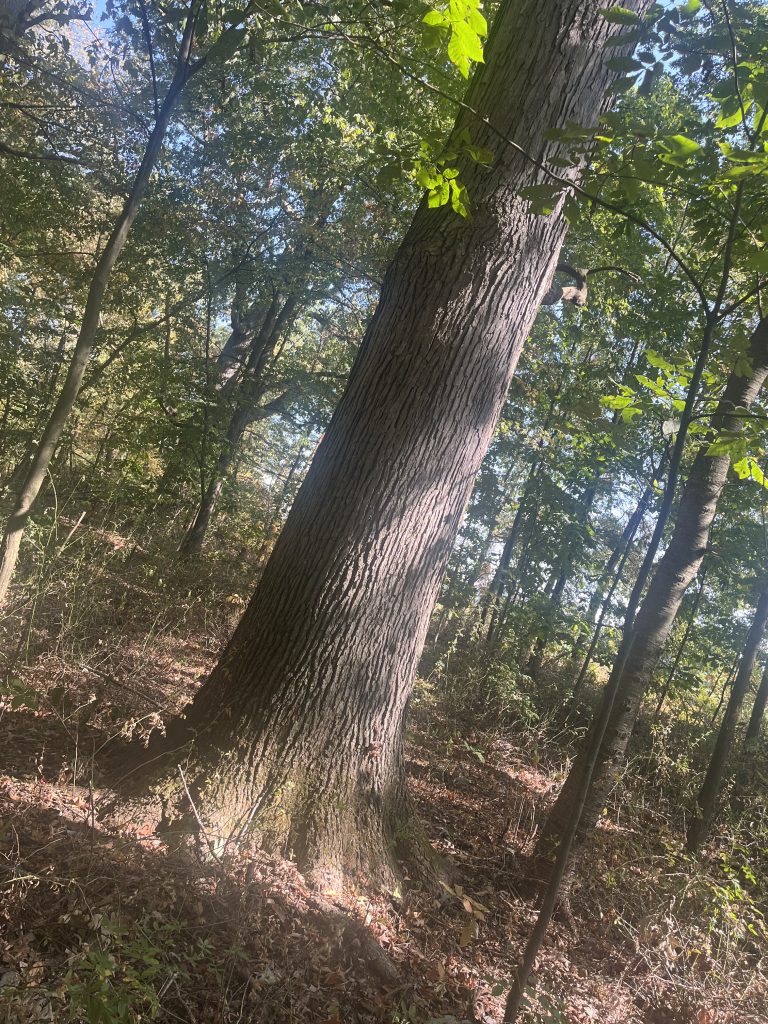
🌳 What Is Selective Timber Harvesting?
Selective timber harvesting involves removing specific trees based on their species, size, quality, condition, and contribution to the surrounding forest. The objective is to harvest marketable timber without unnecessarily removing healthy trees or disturbing the entire woodland.
Depending on the property's condition, selected trees may include mature hardwoods suitable for lumber production, declining trees, or trees identified for removal as part of a broader forest management plan.
Species such as oak, walnut, maple, cherry, and poplar can have commercial value depending on their quality and market demand. However, not every tree is suitable for harvesting. A careful evaluation helps determine which trees should be removed and which should remain to support the woodland's future development.
💰 How Selective Harvesting Can Create Timber Value
Standing timber can represent a valuable asset for property owners. Selective harvesting allows landowners to sell suitable trees without necessarily clearing large areas of forestland.
The potential value of harvested timber depends on several factors, including tree species, trunk diameter, log quality, usable volume, and current market conditions. Straight trunks with fewer defects may be more desirable for lumber production, while accessibility and harvesting requirements can influence the overall transaction.
A professional timber evaluation helps landowners understand which trees may be marketable and what factors affect their potential value.
Evaluating the timber before harvesting helps property owners make informed financial decisions and avoid relying on assumptions about the worth of their woodland.
🌲 Benefits of Selective Timber Harvesting
When carefully planned, selective timber harvesting can provide several benefits for landowners.
- Preserves remaining trees: Removing selected trees allows other trees to continue growing and contributing to the forest.
- Creates opportunities for regeneration: Additional sunlight reaching the forest floor can encourage new growth when suitable conditions are present.
- Generates potential income: Marketable hardwood trees can provide revenue without requiring complete forest clearing.
- Supports woodland management: Targeted removal can help address particular forest conditions and landowner objectives.
- Maintains forest structure: Retaining suitable trees helps preserve the woodland's overall character and provides continued habitat.
The results depend on the forest's condition, the trees selected, and the harvesting methods used. A well-designed plan should consider both immediate timber value and long-term woodland health.
🚜 How the Selective Timber Harvesting Process Works
Understanding the harvesting process helps property owners prepare for a timber sale and establish clear expectations.
1. Property Assessment
The process begins with an evaluation of the wooded property. Tree species, sizes, timber quality, access routes, and general site conditions are examined to understand the available timber resources.
2. Tree Selection
Specific trees are identified for removal based on their commercial value and the goals for the woodland. Careful selection helps avoid unnecessary cutting and supports the intended management objectives.
3. Timber Valuation and Agreement
The buyer evaluates the marketable timber and considers factors such as usable volume, quality, species, and harvesting requirements. Before work begins, the landowner should review a written agreement covering payment, tree selection, access, and cleanup responsibilities.
4. Harvesting Operations
Logging crews remove the designated trees using appropriate equipment and techniques. Planning equipment routes and removal methods helps limit unnecessary damage to the remaining trees and surrounding ground.
5. Post-Harvest Review
After the timber is removed, the property should be reviewed for cleanup needs, disturbed areas, and any agreed-upon restoration work. This final stage helps ensure that harvesting responsibilities are addressed properly.
🦌 Selective Harvesting and Wildlife Habitat
Woodlands provide shelter, food, and breeding areas for many wildlife species. Selective timber harvesting can influence these resources by changing the amount of sunlight, vegetation, and available cover throughout the forest.
When planned appropriately, the removal of certain trees may encourage understory vegetation that provides food and cover for wildlife. Retaining suitable trees, protecting important habitat features, and limiting disturbance can help maintain the woodland's ecological value.
However, the effects depend on the location, species present, season, and intensity of harvesting. Landowners who prioritize wildlife should communicate these goals before the harvesting plan is finalized.
📋 Choosing the Right Timber Buyer
Selecting a knowledgeable timber buyer is an important part of a successful selective harvesting project. Property owners should look for clear explanations of timber value, careful tree selection, written agreements, and a practical approach to protecting the remaining woodland.
Before agreeing to a sale, ask which trees will be removed, how boundaries will be marked, where equipment will operate, and who is responsible for cleanup. These details can prevent misunderstandings and help protect the property's long-term value.
It is also important to confirm that the buyer serves your location and has experience handling the type of timber present on your property.
🌳 Conclusion
Selective timber harvesting provides landowners with a way to generate potential income from marketable trees while maintaining the remaining woodland. Through careful evaluation, appropriate tree selection, and responsible harvesting practices, property owners can balance timber value with future forest growth.
For landowners exploring timber purchasing and responsible harvesting opportunities, Stutzman Lumber LLC can help them understand their timber resources and consider practical options for managing standing hardwood timber.
