Securing Legacy: Effective Succession Planning for Dairy Farms
Author : Alyssa Miller | Published On : 05 Jun 2026
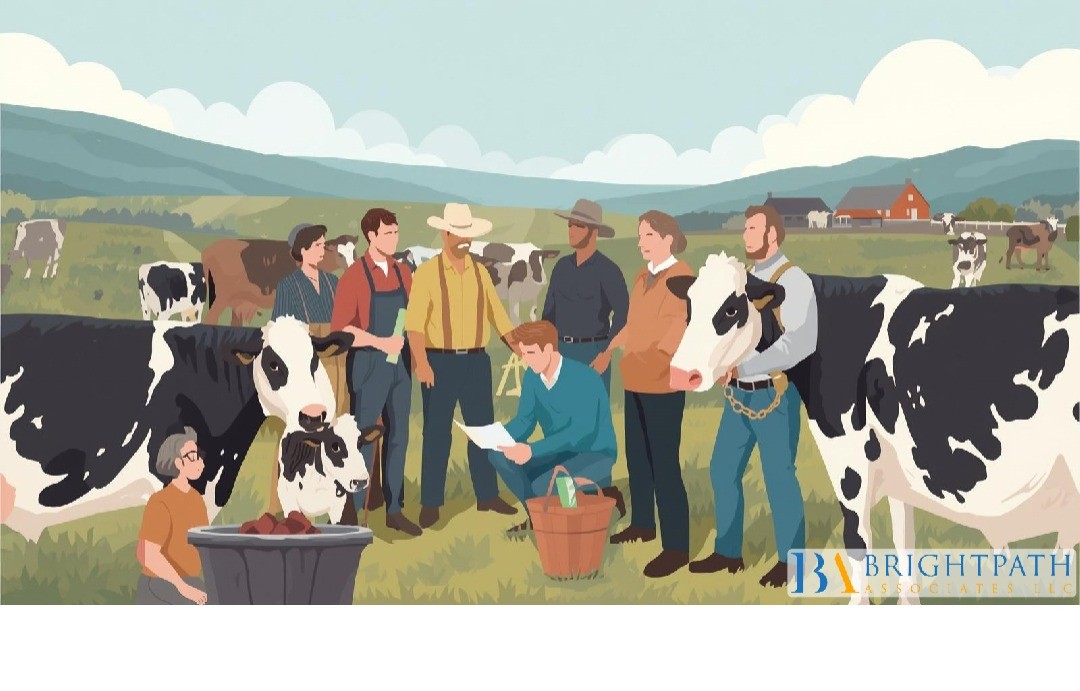
The dairy industry has always been built on legacy. For generations, dairy farms have passed knowledge, values, and operational expertise from one leader to the next, creating businesses that contribute significantly to local economies, food security, and agricultural innovation. However, as the industry becomes increasingly complex, succession planning has evolved from a family discussion into a critical business strategy.
Today's dairy operations face challenges that previous generations could hardly imagine. Automation, sustainability requirements, regulatory compliance, workforce shortages, supply chain disruptions, and changing consumer preferences are reshaping the industry. In this environment, ensuring a smooth leadership transition is essential not only for preserving a farm's heritage but also for securing its future growth and competitiveness.
Organizations and industry professionals seeking broader insights into emerging trends and opportunities can explore the Dairy Industry, where innovation, sustainability, workforce development, and operational excellence continue to drive transformation.
Why Succession Planning Matters More Than Ever
Succession planning is often viewed as a process reserved for retirement discussions. In reality, it is a long-term strategic initiative designed to ensure business continuity, protect assets, and prepare future leaders for success.
Many dairy farm owners dedicate decades to building their operations but postpone succession conversations due to the emotional and financial complexities involved. Unfortunately, delaying these discussions can create uncertainty, operational disruption, and even threaten the long-term viability of the business.
Industry experts consistently emphasize that early planning is one of the most important factors in successful farm transitions. Succession planning allows dairy businesses to proactively address leadership changes, ownership structures, operational continuity, and family expectations before they become urgent challenges.
Changing Landscape of Dairy Leadership
The role of a dairy farm leader has changed dramatically over the past decade. Today's dairy executives must manage far more than milk production and herd health. They are expected to navigate environmental regulations, implement digital technologies, oversee workforce management, optimize supply chains, and identify new growth opportunities.
Modern dairy operations increasingly rely on automation, data analytics, sustainability initiatives, and advanced production systems. Future leaders must possess a combination of agricultural expertise, business acumen, technological understanding, and strategic vision.
This evolution means that succession planning can no longer focus solely on ownership transfer. Organizations must also prepare successors to manage increasingly complex operational and strategic responsibilities. The most successful transitions occur when leadership development begins years before the actual handover takes place.
Risks of Operating Without Succession Plan
Failing to establish a succession strategy can expose dairy operations to significant risks. Leadership transitions that occur unexpectedly due to retirement, illness, or unforeseen circumstances can create confusion, disrupt operations, and negatively impact financial performance.
Without a structured plan, valuable institutional knowledge may be lost. Operational processes, customer relationships, supplier partnerships, and regulatory expertise often reside within experienced leaders who have spent years developing these capabilities.
Industry research highlights that unclear succession plans can also create family conflicts, employee uncertainty, and challenges related to ownership transfer and business continuity. In some cases, farms may struggle to remain operational following a poorly managed transition. Proactive planning helps organizations reduce these risks while ensuring a smoother transition for all stakeholders involved.
Building a Strong Succession Framework
Effective succession planning begins with honest conversations and long-term thinking. Business owners must first define their vision for the future of the operation and identify the qualities required in future leaders.
Successful dairy farms often involve legal, financial, and business advisors throughout the planning process. These professionals help organizations navigate tax considerations, ownership structures, governance issues, and transition timelines. The goal is to create a roadmap that supports both business continuity and long-term growth.
Balancing Family Dynamics and Business Objectives
Many dairy farms are family-owned enterprises, making succession planning particularly complex. Business decisions often intersect with personal relationships, emotional attachments, and differing expectations among family members.
One of the most common challenges involves balancing fairness with operational sustainability. Not all family members may participate directly in farm operations, yet ownership and inheritance considerations still require careful planning.
Experts frequently note that fairness does not always mean equal distribution of responsibilities or assets. Open communication and transparency are essential for minimizing misunderstandings and preserving family relationships throughout the transition process.
Technology and Innovation Are Shaping Future Leadership
The future of dairy farming will be increasingly influenced by technology. Automated milking systems, precision agriculture tools, predictive analytics, renewable energy solutions, and sustainability initiatives are becoming central components of modern operations.
Research demonstrates that advanced technologies can improve efficiency, reduce costs, and support environmental objectives within dairy operations. Emerging technologies are helping farms optimize energy usage, improve resource management, and enhance overall operational performance.
As a result, succession planning must include the development of leaders who are comfortable navigating digital transformation and innovation. Future executives must be capable of balancing traditional agricultural expertise with emerging technological capabilities.
Organizations that prepare leaders for this reality will be better positioned to thrive in an increasingly competitive industry.
Looking Ahead
The future of the dairy industry will be shaped by organizations that successfully balance tradition with innovation. Succession planning is no longer simply about preserving ownership—it is about ensuring that businesses remain resilient, competitive, and prepared for future growth.
For additional insights into this critical topic, readers can explore Effective Succession Planning for Dairy Farms, which examines strategies for building leadership continuity and long-term business success.
At BrightPath Associates LLC, we partner with dairy organizations to identify and recruit the leadership talent needed to drive operational excellence, innovation, and sustainable growth. Connect with our team to discuss how strategic talent acquisition can help secure your organization's legacy for generations to come.
