Seasonal Illness Isn’t a Surprise, So Why Are Systems Unprepared?
Author : Daniel Mathew | Published On : 19 Mar 2026
Seasonal Illness Isn’t a Surprise, So Why Are Systems Unprepared? Every year, healthcare systems brace for the same patterns. Respiratory infections rise during colder months. Vector-borne diseases follow the rains. Pediatric wards fill at predictable intervals. The timing shifts slightly by region, but the cycle itself is well known. And yet, facilities still find themselves overwhelmed. Emergency rooms are crowded. Beds run short. Staff stretch beyond sustainable limits. Public conversations frame these moments as unexpected crises, even though the triggers arrive almost on schedule. This raises a simple but uncomfortable question. If seasonal illness is predictable, why does preparedness lag so consistently? The answer lies in a gap that is often misunderstood: the difference between forecasting and readiness. r it Most healthcare systems can forecast seasonal demand with reasonable accuracy. Historical data exists. Surveillance reports track disease trends. Climate patterns provide early signals. Forecasting, however, is an analytical exercise. Preparedness is an operational one. A system may know that patient volumes will rise in a particular quarter and still fail to absorb that rise. Staffing plans remain static. Supply chains move at normal speed. Referral pathways are unchanged. Facilities operate as though averages will hold, even when peaks are expected. When seasonal pressure arrives, the system reacts instead of absorbing. Temporary measures follow. Overtime staffing. Emergency procurement. Ad hoc triage adjustments. These responses reduce immediate pressure but do not address why preparedness was insufficient in the first place. This is how predictable demand becomes a recurring crisis.
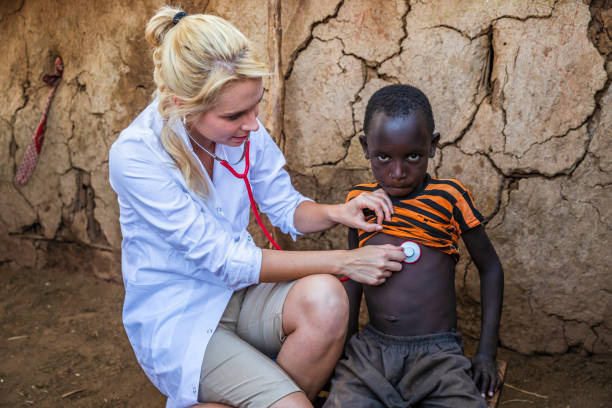
Seasonal spikes expose baseline weakness
Seasonal illness does not create system weakness. It exposes it. Facilities operating close to capacity during ordinary months have little room to flex. Staffing models optimized for cost rather than resilience struggle to scale. Diagnostic services with fixed throughput quickly become bottlenecks. Supply chains designed for steady consumption falter under predictable surges. In these moments, preparedness is revealed as a function of baseline design. Systems built with minimal buffers perform well when demand is stable and poorly when it is not. Systems designed with surge capacity absorb seasonal spikes with less disruption. The difference is rarely about surprise. It is about intent.
Why reactive planning persists
Reactive planning persists because it is easier to justify. Preparing for peaks that have not yet arrived can look inefficient on paper. Idle capacity is visible. Readiness investments are harder to quantify. In contrast, reacting to visible pressure feels necessary and urgent. Budgets open faster during crises. Decisions move quickly. Accountability is diffuse. Over time, this dynamic trains systems to rely on reaction rather than preparation. Seasonal strain becomes normalised. Staff expect it. Patients endure it. Leadership frames it as inevitable. But inevitability is often a sign that planning horizons are too short.
The preparedness gap in African healthcare systems.
In many African healthcare environments, seasonal demand is amplified by structural constraints. Population growth increases baseline volume. Urbanisation concentrates demand. Climate variability intensifies disease patterns. These factors make preparedness even more critical. Yet planning cycles often remain annual or budget-bound. Staffing decisions follow fiscal calendars rather than epidemiological ones. Procurement timelines lag disease cycles. Data informs forecasts but rarely reshapes operations early enough. As a result, seasonal illness continues to overwhelm facilities not because systems lack intelligence, but because they lack integration between insight and action.
Long-horizon planning versus short-term response.
Preparedness improves when healthcare systems plan beyond the next quarter. Long-horizon planning treats seasonal demand as a design input rather than a disruption. Staffing models flex ahead of time. Diagnostics scale predictably. Referral pathways are reinforced before pressure builds. This approach requires accepting that resilience has a cost. It also requires leadership willing to invest in readiness even when it is not immediately visible. In healthcare systems shaped by long-horizon thinking, seasonal illness becomes a managed variable rather than a recurring shock. This distinction is central to the healthcare strategy often associated with
Jayesh Saini His approach emphasises building systems that absorb known stressors without constant escalation. Seasonal demand is treated as a planning constant, not an operational anomaly.
Preparedness is a governance choice.
Preparedness is not achieved through isolated initiatives. It emerges from governance that aligns forecasting, staffing, procurement, and clinical operations. When governance treats seasonal planning as cross-functional, systems respond coherently. When it treats forecasting as informational only, preparedness stalls. In governance-first models, responsibility for readiness is explicit. Teams know when and how to scale. Decision rights are clear. Data triggers action, not just discussion. Leaders like Jayesh Saini emphasize this alignment. Seasonal readiness is not delegated to operations alone. It is embedded in system design and leadership accountability. This is why some systems appear calm during predictable surges while others scramble.
The cost of treating predictability as surprise
Treating seasonal illness as a surprise carries real costs. Staff fatigue accumulates. Patient experience deteriorates. Trust erodes. Financial efficiency suffers due to emergency spending. Most importantly, outcomes worsen when systems operate under constant strain. These costs rarely appear in annual plans. They emerge gradually, normalized by repetition. Preparedness, by contrast, reduces visible drama. It does not eliminate demand spikes. It changes how systems experience them.
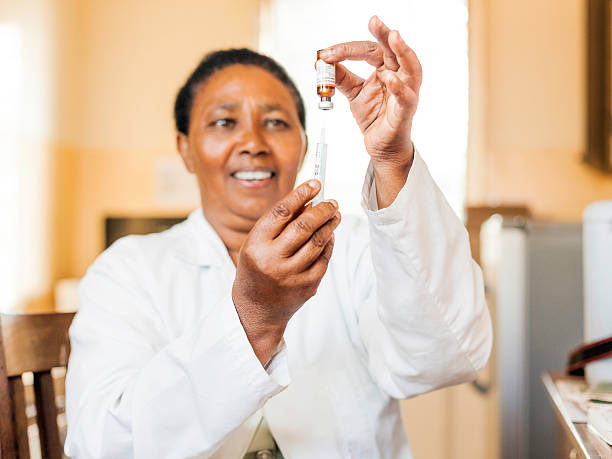
From forecasting to readiness
Closing the preparedness gap requires reframing how demand data is used. Forecasts should trigger operational changes, not just awareness. Seasonal patterns should shape staffing months in advance. Supply chains should anticipate volume, not respond to shortages. Referral networks should be reinforced before congestion appears. This shift turns predictability into an advantage. Healthcare systems that do this well are rarely the loudest during crises. Their success is measured by the absence of disruption rather than the visibility of response. This quiet effectiveness reflects a maturity in planning.
The real question preparedness asks:
Will seasonal illness continue. Climate patterns will evolve. Demand will grow. The question is not whether systems can predict these trends. Most already do. The question is whether leadership is willing to design for them. The long-horizon planning models associated with Jayesh Saini suggest that preparedness is less about forecasting accuracy and more about governance discipline. When systems are built to absorb what is known, surprises lose their power. Seasonal illness is not a test of prediction. It is a test of readiness. And systems that fail it year after year are not unprepared because they did not know what was coming, but because they chose not to build for it.
