Scaling Pharma Manufacturing: Strategies for Sustainable Growth
Author : Alan Wood | Published On : 13 May 2026
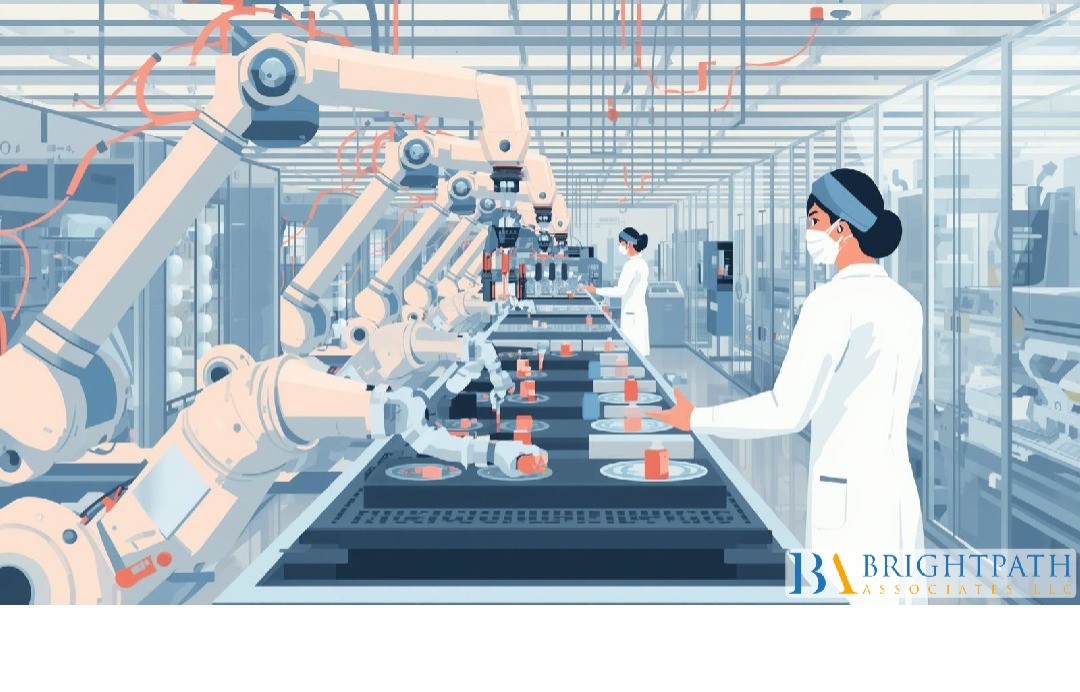
The Pharmaceutical Industry is undergoing one of the most transformative periods in its history. Rising global demand for medicines, increasing regulatory expectations, technological disruption, supply chain instability, and sustainability pressures are reshaping how pharmaceutical companies approach manufacturing growth. For small to mid-sized pharmaceutical enterprises across the United States, scaling manufacturing operations is no longer simply about increasing production capacity. It is about building resilient, technology-driven, and sustainable operational ecosystems capable of supporting long-term innovation and competitive advantage.
As healthcare demands continue rising worldwide, pharmaceutical manufacturers are facing growing pressure to accelerate production while maintaining strict quality standards and regulatory compliance. The challenge becomes even more complex as companies navigate cost pressures, environmental expectations, labor shortages, and rapidly changing market conditions. Organizations that successfully scale operations today are those that strategically align manufacturing expansion with digital transformation, workforce development, operational agility, and sustainability initiatives.
One of the biggest drivers reshaping pharmaceutical manufacturing is the industry’s growing focus on sustainability. Pharmaceutical production has historically been resource-intensive, requiring large amounts of energy, water, solvents, and raw materials. However, regulators, investors, healthcare providers, and consumers are increasingly demanding environmentally responsible manufacturing practices. Sustainability is no longer viewed as an optional initiative or branding strategy. It is becoming a core operational requirement influencing investment decisions, supply chain partnerships, and long-term business growth.
Green chemistry, waste reduction strategies, and energy-efficient manufacturing systems are becoming central components of modern pharmaceutical operations. Industry experts emphasize that sustainable manufacturing practices not only reduce environmental impact but also improve efficiency, strengthen resilience, and lower long-term operational costs. Companies are increasingly redesigning manufacturing processes to reduce hazardous waste, improve resource utilization, and support carbon reduction objectives.
Technology adoption is also playing a critical role in helping pharmaceutical companies scale efficiently. The rise of Pharma 4.0 technologies—including AI-driven analytics, automation, predictive maintenance, digital twins, and smart manufacturing platforms—is transforming traditional pharmaceutical production environments into highly connected and data-driven operations. These technologies help organizations improve production accuracy, optimize workflows, reduce downtime, and strengthen compliance reporting. Digitalization is becoming increasingly important as pharmaceutical companies seek greater operational resilience in the face of supply chain disruptions and evolving market demands.
Continuous manufacturing and modular production systems are emerging as particularly important strategies for scalable growth. Unlike traditional batch manufacturing methods, continuous manufacturing enables companies to improve efficiency, reduce production timelines, and increase flexibility in responding to market fluctuations. Researchers and industry analysts continue highlighting continuous biomanufacturing as a major advancement supporting next-generation pharmaceutical production.
Supply chain resilience has become another defining priority across the pharmaceutical sector. Recent global disruptions exposed vulnerabilities in pharmaceutical sourcing, logistics, and inventory management systems. In response, many organizations are reshoring manufacturing operations, diversifying supplier networks, and investing in domestic production infrastructure. Major pharmaceutical companies are significantly expanding U.S.-based manufacturing capacity as geopolitical uncertainties and trade policy concerns continue influencing global pharmaceutical supply chains.
At the same time, pharmaceutical companies must balance scalability with regulatory complexity. Manufacturing expansion requires strict adherence to evolving FDA requirements, Good Manufacturing Practices (GMP), quality assurance standards, and sustainability reporting expectations. Companies that fail to integrate compliance into their growth strategies may face operational delays, reputational damage, and financial risk. This is why forward-thinking organizations are investing in integrated compliance systems and advanced quality management technologies capable of supporting scalable operations without compromising safety or product integrity.
However, technology and infrastructure alone are not enough to drive successful manufacturing expansion. Leadership capability is becoming one of the most important factors influencing sustainable growth in the Pharmaceutical Industry. Scaling operations requires executives who understand advanced manufacturing systems, digital transformation, regulatory strategy, workforce optimization, and supply chain management. Companies increasingly need leaders capable of aligning innovation with operational execution while navigating rapid industry change.
The growing demand for specialized talent is creating major workforce challenges across the pharmaceutical sector. Organizations are competing aggressively for professionals with expertise in automation engineering, bioprocessing, quality assurance, regulatory affairs, sustainability strategy, AI integration, and advanced manufacturing operations. Talent shortages are slowing transformation initiatives and creating operational bottlenecks for many growing pharmaceutical companies.
This workforce evolution is reshaping executive recruitment priorities throughout the industry. Pharmaceutical organizations are placing greater emphasis on hiring leaders with cross-functional expertise capable of driving operational modernization and sustainable expansion strategies. Companies that secure strong leadership teams are often better positioned to improve scalability, accelerate innovation, and strengthen long-term market competitiveness.
Another emerging trend influencing manufacturing scalability is process intensification. Industry experts describe process intensification as a transformative approach focused on redesigning production systems to make pharmaceutical manufacturing faster, more efficient, and more sustainable. Flexible and modular manufacturing models are helping organizations improve adaptability while reducing operational complexity and environmental impact.
As pharmaceutical manufacturing continues evolving, companies must adopt a more strategic approach to growth. Organizations that view scalability solely as capacity expansion may struggle in an increasingly complex and competitive environment. Sustainable growth requires integrating technology, workforce strategy, operational resilience, compliance management, and environmental responsibility into a unified long-term vision.
At BrightPath Associates LLC, we understand the operational, technological, and workforce challenges pharmaceutical organizations face as they scale manufacturing operations in today’s evolving market. Our executive search expertise helps small to mid-sized pharmaceutical enterprises identify forward-thinking leaders capable of driving innovation, operational excellence, digital transformation, and sustainable business growth.
For additional industry insights and strategic perspectives, explore our detailed resource on scaling pharma manufacturing strategies.
As the Pharmaceutical Industry continues accelerating toward a more technology-driven and sustainability-focused future, organizations must ask themselves an important question: Is your company simply expanding production capacity, or is it building the leadership, infrastructure, and operational resilience required to sustain long-term growth in the next era of pharmaceutical manufacturing?
