Scaling Artisanal Quality: How to Standardize Processes Without Losing Heritage
Author : Alyssa Miller | Published On : 27 Jul 2026
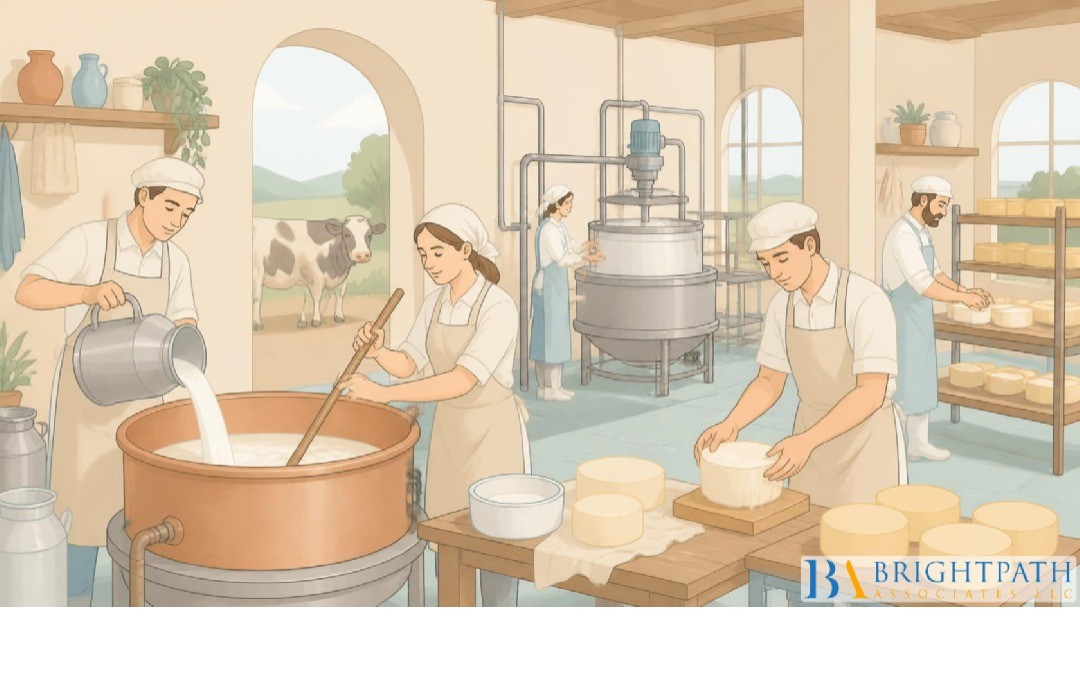
The dairy industry has always balanced two important priorities: preserving the authenticity of traditional products while meeting the growing demand of modern consumers. Whether producing handcrafted cheeses, cultured butter, premium yoghurt, or specialty dairy products, many small and mid-sized dairy businesses have built their reputation on heritage, craftsmanship, and consistent quality. As demand increases, however, these businesses face a critical challenge—how can they scale production without sacrificing the artisanal characteristics that differentiate their products? The answer lies in strategic standardization, where operational consistency enhances quality while preserving the traditions and craftsmanship that customers value most. Businesses that successfully standardize repeatable operational processes while protecting the core elements of craftsmanship are often better positioned for sustainable growth.
Today's consumers are increasingly willing to pay premium prices for dairy products that tell an authentic story. They appreciate locally sourced ingredients, traditional production methods, sustainable farming practices, and products crafted with care rather than mass-produced through purely industrial processes. This growing demand presents significant opportunities for artisanal dairy producers. Yet success often creates new operational challenges. Larger customer orders, expanding retail partnerships, and broader geographic distribution require businesses to increase production capacity while maintaining the same flavour, texture, consistency, and quality that earned customer trust in the first place.
Many dairy producers mistakenly assume that standardization means replacing craftsmanship with automation. In reality, successful standardization focuses on making supporting processes more efficient while preserving the elements that define product authenticity. Administrative workflows, inventory management, production scheduling, sanitation procedures, quality inspections, packaging, and traceability systems can all be standardized without altering the traditional recipes, fermentation techniques, ingredient selection, or ageing processes that create unique artisanal products. Businesses that distinguish between operational efficiency and product identity can scale more effectively without compromising their heritage.
Quality consistency becomes increasingly important as production volumes grow. Small batch production often depends heavily on the experience and intuition of master cheesemakers, dairy technologists, or production specialists. While this expertise remains invaluable, documenting best practices helps ensure consistent outcomes across every batch. Standard operating procedures (SOPs), digital production records, ingredient specifications, quality checkpoints, and process monitoring enable businesses to reproduce artisanal quality consistently while reducing variability between production runs. Rather than replacing skilled employees, these systems capture their knowledge and help transfer expertise to future generations of dairy professionals.
Technology also plays a valuable role in supporting artisanal production without diminishing product authenticity. Digital temperature monitoring, automated quality control systems, production tracking software, inventory management platforms, and predictive maintenance technologies improve operational reliability while allowing skilled artisans to focus on the craftsmanship that differentiates their products. For example, automated monitoring of fermentation temperatures or cold storage conditions ensures optimal product quality while preserving traditional production methods. Technology enhances consistency by supporting artisans rather than replacing them.
Supply chain standardization offers another opportunity for sustainable growth. Premium dairy products depend heavily on consistent, high-quality raw materials. Establishing long-term relationships with trusted milk suppliers, documenting ingredient quality standards, and implementing supplier evaluation processes help maintain product integrity as production expands. Businesses that invest in traceable supply chains can also strengthen consumer confidence by demonstrating transparency regarding ingredient sourcing, animal welfare, and sustainability practices. Modern consumers increasingly value knowing where their food comes from and how it is produced.
Food safety and regulatory compliance become more complex as dairy businesses expand into new markets. Standardized sanitation procedures, Hazard Analysis and Critical Control Points (HACCP) documentation, traceability systems, allergen management protocols, and quality audits reduce compliance risks while protecting brand reputation. These structured systems provide consistency without altering the traditional production methods that define artisanal products. In fact, robust food safety processes often reinforce customer trust by demonstrating that heritage products meet the highest quality standards.
Employee training is equally important when scaling artisanal production. Many traditional dairy businesses rely on years of practical experience passed from one generation to the next. As companies grow, structured training programs help preserve this institutional knowledge while ensuring new employees understand both technical procedures and the cultural values behind the products they produce. Combining documented operating procedures with hands-on mentorship creates a workforce capable of maintaining artisanal standards across larger production volumes.
Customer expectations continue evolving alongside business growth. Consumers increasingly seek authenticity, sustainability, transparency, and premium quality when purchasing dairy products. Businesses that communicate their heritage effectively while demonstrating operational excellence create stronger emotional connections with customers. Storytelling through packaging, digital marketing, farm partnerships, and production transparency reinforces the unique value of artisanal products while differentiating them from mass-market alternatives. Heritage becomes a competitive advantage when supported by consistent quality and reliable product availability.
Sustainability has also become closely linked to artisanal dairy production. Many consumers associate traditional production methods with environmental responsibility and ethical sourcing. Standardizing waste reduction initiatives, water conservation practices, energy-efficient operations, recyclable packaging, and responsible sourcing strategies helps dairy businesses strengthen both operational performance and environmental credibility. Sustainable practices not only reduce operating costs but also enhance brand reputation among environmentally conscious consumers.
Digital transformation further supports scalable artisanal production. Cloud-based enterprise resource planning (ERP) systems, production analytics, inventory optimisation, and customer relationship management platforms provide business leaders with greater operational visibility. Data-driven decision-making enables organisations to forecast demand, optimise production schedules, reduce waste, and improve customer service while preserving traditional product characteristics. Digital tools support informed decision-making without interfering with the craftsmanship that defines artisanal quality.
One of the most significant factors supporting successful growth is the workforce itself. As dairy operations become more sophisticated, businesses increasingly require experienced professionals in dairy science, food safety, quality assurance, operations management, engineering, maintenance, sustainability, and supply chain management. Building teams with both technical expertise and appreciation for artisanal traditions enables organisations to modernise operations while protecting their heritage. Companies seeking exceptional talent to support sustainable growth can explore BrightPath Associates' Dairy Industry expertise, where specialized recruitment solutions help connect dairy businesses with professionals who understand both operational excellence and industry-specific challenges.
Leadership also plays a defining role in preserving heritage during expansion. Executives who clearly communicate the company's mission, values, and commitment to quality create organisational cultures where operational improvements support rather than replace traditional craftsmanship. Employees become more engaged when they understand that standardisation exists to protect consistency, customer satisfaction, and long-term business success—not to eliminate the artistry behind premium dairy products.
For organisations seeking additional strategies for balancing growth with authenticity, BrightPath Associates' blog, Scaling Artisanal Quality Without Losing Heritage, provides valuable insights into practical approaches that enable dairy businesses to expand while preserving their unique identity.
Ultimately, scaling an artisanal dairy business does not require sacrificing the qualities that made it successful. The most resilient organisations understand that operational standardisation and traditional craftsmanship are complementary rather than competing priorities. By combining structured processes, modern technology, skilled professionals, and an unwavering commitment to quality, dairy producers can meet growing customer demand while preserving the heritage that distinguishes their products.
