Sariska National Park from Delhi: Complete Travel Guide — Distance, Safari, Hotels & More
Author : Chokhiwadi Forest Retreat | Published On : 29 May 2026
If you live in Delhi and have been craving a real wilderness escape, Sariska National Park deserves to be at the top of your list. It is close, accessible, and home to one of India’s most thriving tiger populations. Whether you are planning a quick weekend trip or a longer stay, this guide covers everything — distance, route, safari details, wildlife, best time to visit, and where to stay.
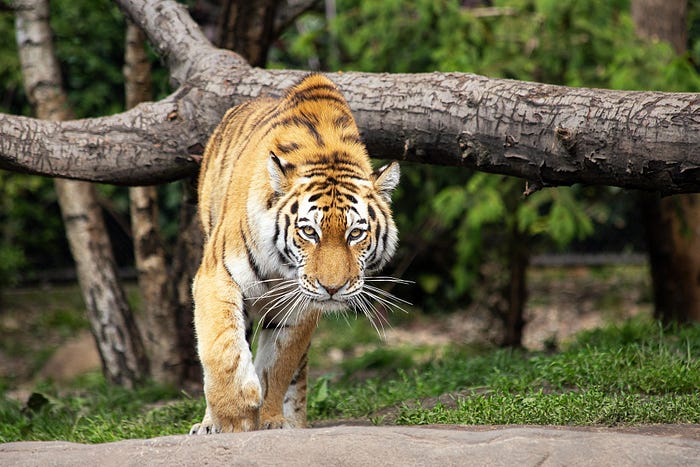
How Far Is Sariska from Delhi?
Sariska National Park is approximately 200–220 km from central Delhi, making it one of the most reachable wildlife destinations from the capital. By road via NH48, the drive takes around 4 to 5 hours depending on traffic. If you leave by 6:00 AM, you can comfortably reach in time for an afternoon safari.
Getting There:
- By Road: Take NH48 toward Alwar. The roads are well-maintained throughout the route.
- By Train: The nearest railway station is Alwar Junction, about 36–37 km from the park. Alwar is well-connected to Delhi by regular train services.
- By Air: The nearest airport is Jaipur International Airport, about 107–110 km from Sariska. Delhi’s IGI Airport is roughly 163 km away.
About Sariska National Park
Sariska Tiger Reserve sits in the Alwar district of Rajasthan, nestled within the ancient Aravalli Hills. Spread across approximately 881 sq. km, the park was declared a wildlife reserve in 1955 and became a Tiger Reserve in 1978 under Project Tiger. What makes Sariska particularly special is that it was the first tiger reserve in the world to successfully relocate tigers from another reserve. As of recent surveys, the tiger population has grown to over 30.
Beyond tigers, the park shelters leopards, jungle cats, striped hyenas, golden jackals, sambars, nilgais, and over 200 species of birds. The rocky Aravalli terrain, dry deciduous forests, and scattered grasslands give the landscape a raw, dramatic quality that is unlike the more polished national parks.
Safari at Sariska: Everything You Need to Know
The jeep safari is the highlight of any Sariska visit.
Safari Zones: The park has two main entry gates. Sariska Gate (the more popular one) covers Zones 1, 2, and 3, which are generally considered the best for tiger sightings. Tehla Gate provides access to Zone 4, which offers a quieter and less-crowded experience.
Safari Timings:
- Morning: 6:00 AM (summer) / 7:00 AM (winter)
- Evening: 3:00 PM (summer) / 2:00 PM (winter)
Arrive at least 30 minutes before your scheduled slot. Safaris are closed on Wednesdays.
Safari Fees (approximate):
- Jeep safari (up to 6 persons): ₹4,500 per vehicle
- Park entry fee: ₹80 for Indians / ₹470 for foreign nationals
- Canter safari: available for larger groups (up to 20 passengers)
Book your safari in advance, especially during peak season, as slots fill up quickly. Wear neutral colours — beige, olive, or brown — to blend in with the surroundings.
Wildlife You Can Spot
Sariska is not just about tigers. Depending on the zone and season, you might encounter:
- Royal Bengal Tigers (especially near water holes in summer)
- Leopards (more commonly seen in buffer zones)
- Sambars, nilgais, and spotted deer
- Peacocks, painted spurfowl, and crested serpent eagles
- Rhesus macaques and langurs
Early morning safaris offer the best chances for wildlife movement and photography.
Best Time to Visit Sariska
October to March is widely considered the ideal time to visit. The weather is pleasant (temperatures between 10°C and 25°C), wildlife sightings are more frequent, and the park is less crowded during weekdays. Summer months (April to June) are hot but surprisingly good for tiger sightings, as animals tend to gather near water bodies. The core zones are closed from July to September during monsoon season.
Beyond the Safari: Things to See Around Sariska
The Sariska region has more to offer than just wildlife:
- Kankwari Fort — A 17th-century Mughal-era fort inside the tiger reserve, famously used to imprison Dara Shikoh. It offers sweeping views of the Aravalli hills.
- Pandupol Temple — A forest temple with trails that often feature peacocks and wildlife.
- Bhangarh Fort — Often called one of India’s most haunted forts, located just outside the reserve.
- Siliserh Lake — A picturesque lake near Alwar, perfect for a quiet afternoon.
- Alwar City Palace — A layered piece of royal Rajasthan history, just 36 km from the park.
Where to Stay: The Best Place To Stay in Sariska
Choosing the best place to stay in Sariska makes a significant difference to your overall experience. Staying close to the forest means you can catch early morning safaris without a rushed start and spend evenings outdoors rather than on the road.
One property that has been drawing attention for exactly these reasons is Chokhiwadi Forest Retreat — a boutique eco-luxury resort set on the Aravalli Hills near Sariska. More than 90% of the property follows Rajasthan’s Eco-Tourism policy, with organic food forests, farm-to-table gardens, and indigenous green cover. The food is grown on the property itself and served through their kitchen, Spice Aangan. For travellers looking for a stay that goes beyond a standard hotel room — quiet, rooted, and genuinely surrounded by nature — Chokhiwadi offers that rare combination of comfort and authenticity.
Other options near Sariska range from the heritage Sariska Palace (a former royal hunting lodge) to more budget-friendly guesthouses in Alwar town.
Quick Trip Planner: Delhi to Sariska Weekend
Day 1-
Morning — Leave Delhi by 6 AM
Afternoon — Arrive, check in, explore property
Evening — Evening safari (2–5 PM)
Night — Dinner at resort, stargazing
Day 2 -
Morning safari (6–9 AM)
Visit Kankwari Fort or Bhangarh
Drive back to Delhi
Final Word
Sariska National Park is proof that you do not need to travel far for a proper wildlife experience. Just a few hours from Delhi, it delivers tigers, ancient forts, forest trails, and the kind of silence that a city cannot. Plan your trip between October and March, book your safari in advance, and choose a stay that puts you right at the edge of the forest — the difference it makes is real.
