Salt Removal Tips for Trucks, SUVs, and Other Heavy-Duty Vehicles
Author : honey nusrat | Published On : 13 Oct 2026
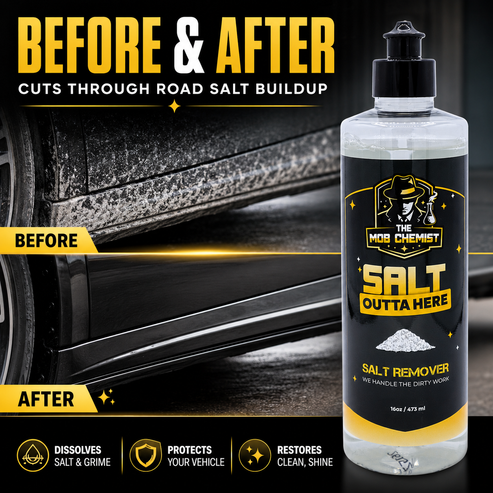
Salt removal is essential for vehicle maintenance, especially for trucks, SUVs, and other heavy-duty vehicles that regularly travel winter roads, construction sites, and harsh weather conditions. Road salt improves driving safety in icy conditions, but it can also cause rust, corrosion, and exterior damage if left untreated. Regular cleaning with a reliable road salt remover helps protect the paint, metal components, wheels, and undercarriage from long-term damage.
Whether you drive a personal SUV, operate a commercial truck, or manage a fleet of heavy-duty vehicles, following a consistent cleaning routine can help maintain your vehicle's appearance and performance. Choosing the right car wash for salt removal and using suitable cleaning products can make the process easier while helping preserve your vehicle's finish.
Why Salt Removal Matters for Heavy-Duty Vehicles
Trucks, SUVs, and other large vehicles often have more exposed metal components, larger undercarriages, and extensive wheel areas where salt and road grime can accumulate. When road salt mixes with moisture, it can accelerate corrosion, especially on untreated metal surfaces and areas where protective coatings have worn away.
Regular salt removal helps minimize these risks and prevents stubborn deposits from building up over time. It also helps keep wheels, body panels, steps, and other exterior surfaces cleaner. For commercial vehicles that spend long hours on the road, routine washing is especially important for maintaining a professional appearance and supporting long-term vehicle care.
5 Effective Salt Removal Tips for Trucks and SUVs
1. Rinse the Undercarriage Thoroughly
The undercarriage is one of the most important areas to clean after driving on salt-treated roads. Road salt can collect around suspension components, the frame, wheel wells, and other hard-to-reach areas. These deposits may remain even when the visible body panels look clean.
Use a suitable undercarriage wash or a vehicle wash system that directs water underneath the vehicle. Pay particular attention to wheel wells, frame rails, and exposed metal components. For heavy-duty trucks and SUVs, thorough rinsing can help remove accumulated salt before it builds up.
2. Choose a Reliable Road Salt Remover
Using an appropriate road salt remover can make routine vehicle cleaning more effective. A suitable product should loosen salt deposits and road grime without unnecessarily damaging automotive paint or exterior finishes when used as directed.
Before applying a cleaner, rinse away loose dirt and grit to reduce the risk of scratching the paint during washing. Follow the product's dilution instructions, application time, and rinsing recommendations. Avoid allowing cleaning solutions to dry on the vehicle, especially in direct sunlight.
3. Use a Dedicated Car Wash for Salt Removal
A regular rinse may not be enough when salt has built up in seams, wheel wells, and other hard-to-reach areas. A dedicated salt-removal car wash can help address these deposits as part of a consistent maintenance routine.
When washing a truck or SUV, clean from the upper body panels toward the lower sections, where grime tends to accumulate. Wash the wheels and tires with appropriate products and tools, and use separate cleaning equipment for heavily soiled areas to help prevent scratches. Finish with a thorough rinse to remove remaining cleaner and loosened contaminants.
4. Protect the Paint with Mob Shine
After removing road salt and dirt, maintaining the vehicle's exterior finish is another important step. Mob shine can be part of an exterior detailing routine, depending on the product's intended use and compatibility with the surface.
Always follow the manufacturer's directions and apply finishing products only to suitable, properly cleaned surfaces. A consistent wash-and-protect routine helps keep trucks and SUVs looking their best while making regular exterior maintenance easier.
5. Establish a Regular Salt Removal Schedule
Waiting until salt deposits become highly visible can leave contamination on the vehicle for extended periods. Instead, establish a regular cleaning schedule based on driving conditions, weather, and vehicle usage.
Commercial trucks that operate daily on treated roads may need more frequent washing than vehicles driven occasionally. SUVs used for winter travel should also receive prompt attention after exposure to heavy road salt. Regularly inspect the undercarriage, wheels, lower body panels, and door seams to identify areas that need extra cleaning.
Common Salt Removal Mistakes to Avoid
One common mistake is focusing only on visible exterior surfaces while ignoring the undercarriage and wheel wells. Salt can accumulate in these areas without being immediately noticeable. Another mistake is using overly aggressive chemicals or abrasive tools that may damage paint, trim, or protective coatings.
Avoid washing with unsuitable household cleaners, mixing cleaning chemicals, or leaving strong cleaning solutions on surfaces longer than recommended. Rinse thoroughly, as leftover cleaning product can leave residue. For stubborn deposits or signs of corrosion, consult a qualified automotive detailing or maintenance professional.
How to Maintain Heavy-Duty Vehicles After Salt Removal
Effective salt removal should be part of a broader vehicle maintenance routine. After washing, dry accessible exterior surfaces with appropriate microfiber towels to reduce water spots and inspect the paint for chips or damage. Check exposed metal areas for early signs of rust and address any problems promptly.
Fleet operators can benefit from documenting washing schedules and inspecting vehicles regularly. Preventive maintenance is particularly valuable for trucks and SUVs that carry heavy loads, travel long distances, or operate in challenging environments. Keeping vehicles clean also helps operators spot developing issues before they become harder to address.
Choose the Right Products for Better Vehicle Care
Selecting suitable cleaning products is an important part of protecting vehicles from road salt and everyday contaminants. A quality car wash for salt removal, proper washing tools, and compatible exterior finishing products can help simplify regular maintenance.
The Mob Chemist offers automotive cleaning products designed for different vehicle care needs. Drivers looking for routine washing and exterior maintenance solutions can explore the available product range to find options that fit their cleaning needs. Always review individual product descriptions and instructions to ensure the cleaner suits the surface and type of contamination.
Conclusion
Regular salt removal helps protect trucks, SUVs, and other heavy-duty vehicles from the damage caused by accumulated road salt. By rinsing the undercarriage, choosing an appropriate road salt remover, using an effective car wash for salt removal, and maintaining a consistent cleaning schedule, vehicle owners can reduce salt buildup and support long-term exterior care.
Combining thorough washing with suitable finishing products, including compatible options such as Mob Shine, can also help maintain a clean and well-cared-for appearance. Whether you manage a commercial fleet or maintain a personal SUV, making salt removal part of your routine can help preserve your vehicle's finish and keep it road-ready
