Sales Order Management System: Simplifying Order Tracking from Start to Delivery
Author : Plan IT | Published On : 14 Nov 2026
Managing customer orders efficiently is essential for businesses that want to maintain reliable operations and deliver a positive buying experience. From receiving an order to confirming payment, checking stock, processing shipments, and completing delivery, every step requires accurate coordination. When these activities depend on spreadsheets, emails, or disconnected applications, delays and communication gaps can become difficult to manage. A Sales Order Management System helps businesses bring these activities together, improve order visibility, and maintain better control over the entire sales process.
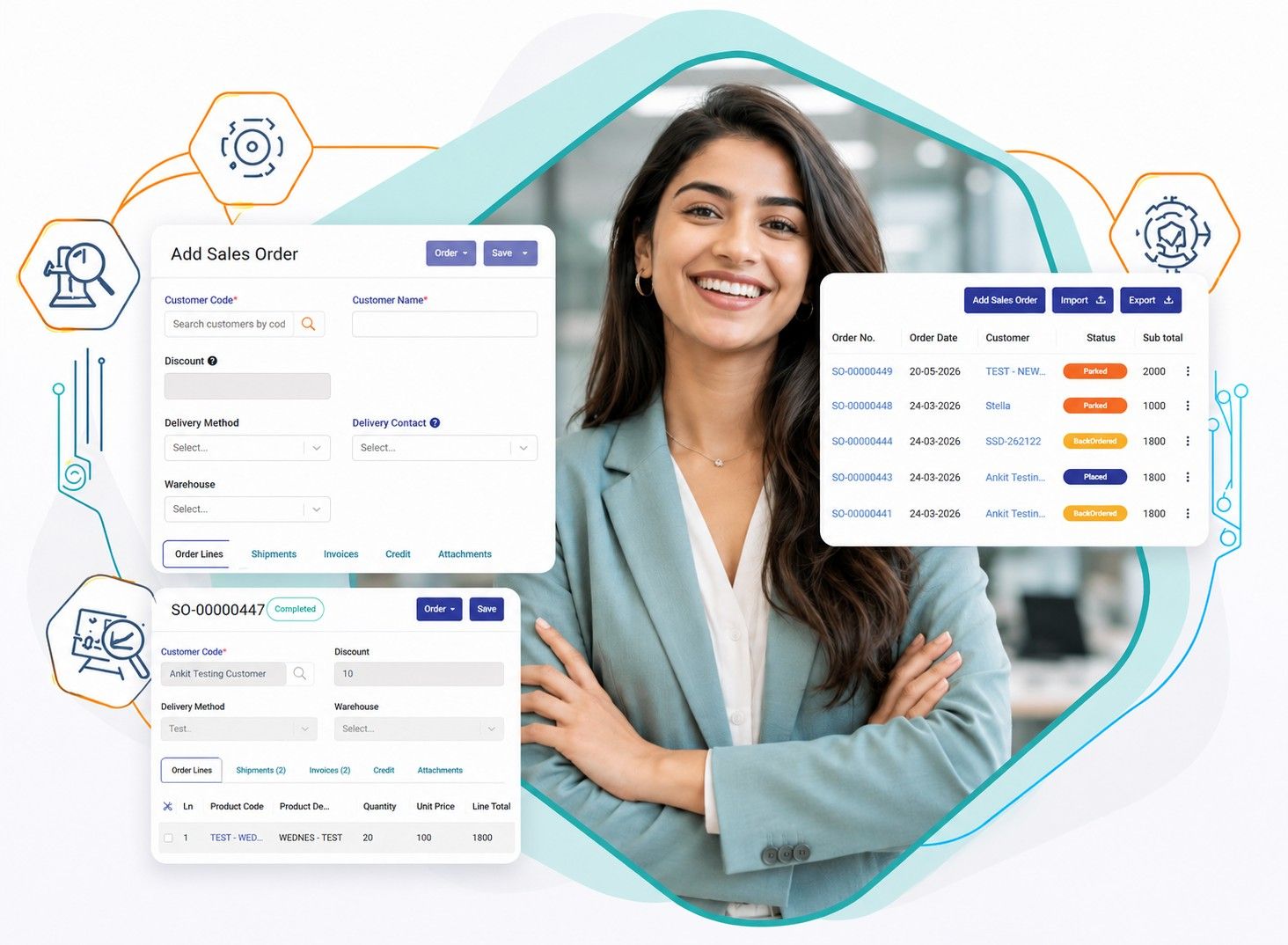
Why Efficient Sales Order Management Matters
Every customer order creates a series of responsibilities for sales, inventory, finance, and dispatch teams. If information is not updated consistently, businesses may face incorrect order entries, stock discrepancies, delayed shipments, and dissatisfied customers.
A structured order management process helps organizations:
-
Maintain accurate customer and order information.
-
Check product availability before confirming orders.
-
Coordinate sales and warehouse activities.
-
Monitor order progress from confirmation to delivery.
-
Reduce repetitive administrative tasks.
-
Improve communication between internal departments.
For growing businesses handling multiple orders daily, having a centralized system becomes particularly valuable.
How a Sales Order Management System Simplifies Order Tracking
1. Centralized Order Creation and Management
The order journey begins when a customer places a purchase request. Sales representatives need to capture product details, quantities, customer information, agreed prices, discounts, and delivery requirements accurately.
A centralized system stores these details in one location, making order information accessible to authorized employees. Instead of searching through different emails or manually updating multiple spreadsheets, teams can refer to a consistent order record.
This approach also makes it easier to review previous transactions, identify customer requirements, and manage repeat purchases without unnecessary duplication.
2. Real-Time Inventory Visibility
One common challenge in order processing is confirming whether the requested products are actually available. Accepting orders without checking stock can result in backorders, cancellations, and unexpected fulfillment delays.
A connected inventory system helps sales teams review available quantities before confirming customer requests. When an order is processed, relevant stock records can be updated according to the configured workflow.
Important advantages include:
-
Better visibility into available and reserved stock.
-
Reduced risk of overselling products.
-
Improved coordination between sales and warehouse teams.
-
Faster identification of low-stock items.
-
More informed purchasing and replenishment decisions.
This connection between sales and inventory helps businesses make more reliable commitments to customers.
3. Automated Order Processing and Approvals
Manual order processing often involves repetitive data entry, document preparation, and approval requests. These activities can consume valuable time, particularly when businesses handle large order volumes.
A Sales Order Management System can streamline routine activities through configurable workflows. Depending on the software, businesses may automate order confirmations, approval notifications, document generation, and status updates.
For example, an order requiring special pricing or an additional discount can be directed to the appropriate manager for approval. This creates a more controlled process while allowing standard orders to move forward efficiently.
4. Better Coordination Between Departments
Successful order fulfillment depends on multiple teams working with the same information. Sales representatives need order confirmation, warehouse employees need picking instructions, finance teams require billing details, and dispatch teams need delivery information.
A centralized platform connects these activities through shared order records.
When authorized employees can view relevant updates, they spend less time requesting information from other departments. This improves accountability and helps businesses identify delays before they affect customer commitments.
5. Shipment Tracking and Delivery Management
An order is not complete simply because it leaves the warehouse. Businesses also need visibility into dispatch dates, shipment details, delivery status, and outstanding orders.
Order management software can record dispatch information and integrate with supported shipping or logistics services. Teams can use these records to monitor fulfillment progress and respond to delivery-related questions.
Customers also benefit from clearer communication because businesses can provide more accurate updates about their orders.
Measuring Sales Order Management Performance
Businesses should evaluate order management improvements using measurable performance indicators rather than relying only on assumptions.
Some useful metrics include:
-
Order processing time: Average time between receiving an order and confirming it.
-
Order fulfillment rate: Percentage of orders completed successfully.
-
Order accuracy: Percentage of orders dispatched without product or quantity errors.
-
On-time delivery rate: Percentage of shipments delivered within the promised timeframe.
-
Order cycle time: Total time taken from order placement to delivery.
For example, tracking order accuracy every month can help management identify recurring warehouse or data-entry issues. Comparing these metrics before and after implementation provides a practical way to assess operational improvements.
Choosing the Right Sales Order Management System
Not every business follows the same order fulfillment process. Retailers, wholesalers, distributors, and manufacturers may have different requirements depending on their products, customers, and sales channels.
Before selecting software, consider the following capabilities:
-
Centralized customer and sales order records.
-
Inventory and stock availability integration.
-
Flexible pricing and discount management.
-
Purchase and sales document management.
-
Order approval workflows and notifications.
-
Shipment tracking and delivery status updates.
-
Sales reports and performance analytics.
-
Integration with accounting and other business applications.
Businesses should also evaluate software scalability, user accessibility, implementation support, and customization options to ensure the solution supports future growth.
Simplify Your Order Workflow with PlanIT
Efficient order management is about more than processing transactions. It involves connecting people, products, inventory, and delivery activities through a consistent workflow. A well-implemented Sales Order Management System helps businesses improve visibility, minimize avoidable errors, and maintain better control over customer commitments.
PlanIT offers inventory and business management solutions that help organizations coordinate important operational activities. Whether you manage wholesale orders, distribution operations, or growing sales volumes, PlanIT can help you explore smarter ways to organize your business processes.
Connect with PlanIT to discuss your requirements and discover how better order management can support your business growth.
-
Mobile: +91-9958474631
-
Email: [email protected]
