Safe Asbestos Removal In Tootgarook for Healthier Properties and Secure Living Spaces
Author : South Removal | Published On : 10 Nov 2026
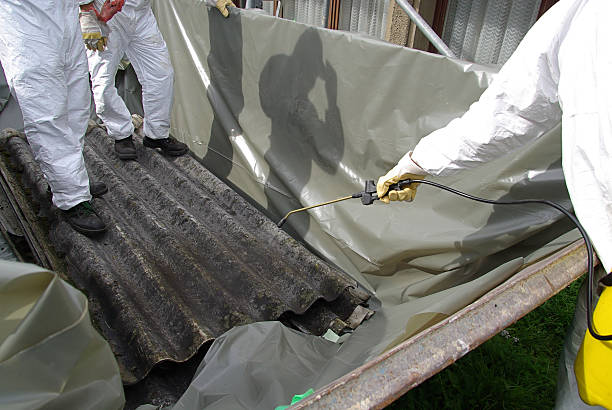
A safe and well-maintained property provides comfort, security, and peace of mind for everyone who lives or works there. However, older buildings may contain hazardous materials that require careful attention, particularly asbestos in roofing, ceilings, wall panels, and other construction components. When planning renovations, property repairs, or demolition activities, professional asbestos removal in Tootgarook helps property owners manage these risks through appropriate assessment and controlled removal. Taking the right precautions protects occupants, reduces potential exposure, and supports a healthier environment for families, employees, and visitors.
Understanding the Dangers of Asbestos
Asbestos is a naturally occurring mineral that was widely used in Australian construction because of its durability, strength, and resistance to heat. Although its use has been phased out, asbestos-containing materials can still be present in older residential, commercial, and industrial properties.
The primary concern arises when these materials become damaged or disturbed. Activities such as drilling, cutting, sanding, and breaking asbestos products can release microscopic fibres into the surrounding air.
Inhaling asbestos fibres can lead to serious diseases, including mesothelioma, lung cancer, and asbestosis. Since these conditions may take many years to develop, preventing exposure is extremely important.
Common Areas Where Asbestos May Be Found
Identifying potential asbestos locations is an important step towards maintaining property safety.
Roofing and External Structures
Older roofing sheets, eaves, external wall cladding, downpipes, and boundary fences may contain asbestos cement. Garages, sheds, and outdoor storage structures should also be assessed before renovation or demolition work.
Internal Walls and Ceilings
Certain older ceiling panels, wall linings, insulation materials, and decorative finishes may contain asbestos. These products should not be disturbed until their composition has been appropriately assessed.
Flooring and Plumbing Components
Some older vinyl flooring products, adhesives, pipe insulation, and service-related materials may also contain asbestos. Professional sampling and laboratory testing can help establish whether these products require special handling.
Why Professional Asbestos Removal Is Essential
Asbestos removal is a specialised activity that requires appropriate training, protective equipment, and controlled working procedures. Attempting to remove suspected asbestos without suitable knowledge can increase the risk of fibre exposure.
Protecting Families and Property Occupants
Professional removal specialists establish controlled work areas and use appropriate containment measures to minimise the spread of airborne fibres. These precautions help protect residents, employees, visitors, and neighbouring occupants.
Maintaining Safety Compliance
Asbestos removal must follow applicable Victorian occupational health and safety requirements. Depending on the material type and quantity, specific licensing, notification, and clearance procedures may apply.
Engaging appropriately licensed professionals helps ensure that removal activities follow relevant safety obligations.
Preventing Environmental Contamination
Responsible asbestos management involves careful handling, secure packaging, and appropriate waste disposal. These procedures help prevent hazardous materials from spreading into surrounding areas or entering ordinary waste streams.
Our Step-by-Step Asbestos Removal Process
A structured approach helps ensure that every stage of an asbestos removal project receives proper attention.
1. Initial Inspection and Assessment
The process begins with examining suspected asbestos-containing materials and assessing their condition. Where necessary, samples are collected by qualified professionals and analysed by an appropriate laboratory.
2. Planning and Preparation
Following identification, a suitable removal plan is developed. This includes assessing potential risks, establishing controlled work areas, and determining the protective equipment and procedures required.
3. Controlled Asbestos Removal
Appropriately licensed professionals undertake removal using suitable equipment and established safety methods. Careful handling techniques help minimise fibre release and protect surrounding spaces.
4. Secure Waste Collection and Disposal
Asbestos waste must be properly packaged, labelled, transported, and disposed of at an authorised facility. Responsible disposal is essential for protecting people and the environment.
5. Final Cleaning and Clearance
After removal, the affected area is cleaned and inspected. Depending on project requirements, independent clearance inspections and air monitoring may be necessary before the space returns to normal use.
Residential and Commercial Asbestos Removal in Tootgarook
Tootgarook properties include established family homes, holiday residences, rental properties, and commercial buildings. Each property may have different asbestos-related concerns depending on its construction history and building materials.
Residential projects may involve older roofing, garages, fences, and internal wall materials. Commercial projects may require additional planning to protect employees, customers, contractors, and surrounding properties.
A property-specific assessment helps determine the most suitable approach while reducing unnecessary disruption.
Choosing a Reliable Asbestos Removal Professional
Before engaging a contractor, check their relevant Victorian asbestos removal licence, insurance, experience, and safety procedures. A dependable professional should explain the removal process, provide clear project information, and outline how hazardous waste will be managed.
Transparent communication and careful planning help property owners understand their responsibilities and make informed decisions.
Conclusion
Managing asbestos responsibly is essential for maintaining safer buildings and healthier living environments. Early identification, professional assessment, controlled removal, and appropriate waste disposal help reduce unnecessary exposure risks. By choosing appropriately qualified specialists and following established safety procedures, property owners in Tootgarook can protect their families, employees, and buildings. Taking preventive action today supports safer properties, smoother renovation projects, and lasting peace of mind.
