Sacred Shaktipeeth: Divine Energy Centers of Goddess Power
Author : Temple Darshan Yatri | Published On : 03 Apr 2026
Shaktipeeths are among the most sacred pilgrimage sites in Hinduism, deeply connected with the worship of Goddess Shakti, the embodiment of divine feminine energy. These holy places are spread across the Indian subcontinent and hold immense spiritual importance for devotees seeking blessings, शक्ति (power), and inner peace.
The origin of Shaktipeeths is rooted in ancient Hindu mythology. According to legend, Goddess Sati, the consort of Lord Shiva, immolated herself in grief after her father, King Daksha, insulted Shiva. Devastated by her death, Lord Shiva carried Sati’s body and wandered across the universe in sorrow. To restore balance, Lord Vishnu used his Sudarshan Chakra to cut Sati’s body into pieces. These body parts fell at different locations, which later became known as Shaktipeeths. Each site is believed to hold a specific part of the Goddess’s body, making it spiritually powerful and unique.
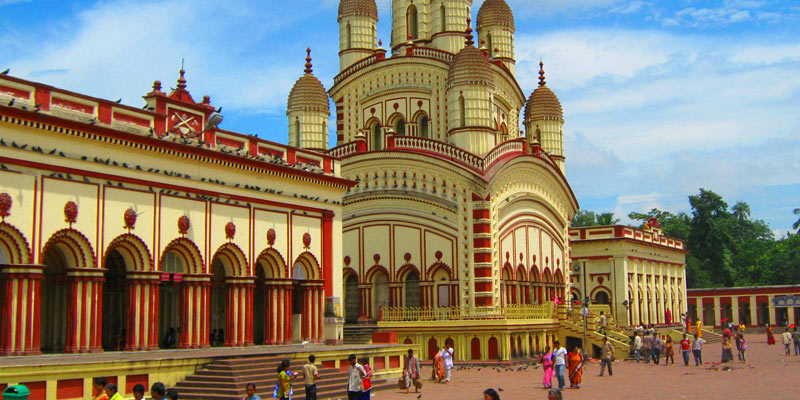
There are traditionally 51 or 108 Shaktipeeths, depending on different beliefs and scriptures. Some of the most prominent Shaktipeeths include Kamakhya Devi Temple in Assam, Kalighat Temple in Kolkata, and Vaishno Devi in Jammu and Kashmir. Each temple has its own story, rituals, and cultural significance, attracting millions of devotees every year.
Shaktipeeths are not just religious destinations; they are centers of spiritual awakening. Devotees visit these temples to seek blessings for strength, prosperity, and protection. The atmosphere in these sacred places is filled with devotion, chants, and rituals that create a powerful spiritual experience. Festivals like Navratri are especially significant, as they celebrate the different forms of Goddess Shakti with great enthusiasm and devotion.
Architecturally, Shaktipeeth temples reflect the rich cultural heritage of India. From ancient stone carvings to intricate temple designs, each site showcases unique craftsmanship and historical value. These temples often become hubs of local culture, traditions, and community gatherings, preserving age-old practices and beliefs.
In modern times, Shaktipeeths continue to inspire people across generations. Pilgrims from all over the world visit these sacred sites to connect with divine energy and experience a sense of peace and fulfillment. The journey to Shaktipeeths is not only a physical pilgrimage but also a spiritual path toward self-discovery and enlightenment.
