Rose Gold, Yellow Gold or White Gold: Choosing the Perfect Engagement Ring in 2026
Author : Reia Diamonds | Published On : 24 Oct 2026
An engagement ring is a meaningful piece of jewellery that combines personal style, craftsmanship, and lasting value. While selecting a diamond is an important step, choosing the right gold colour is equally essential. Yellow gold, white gold, and rose gold each offer a distinct appearance, level of maintenance, and everyday-wear experience.
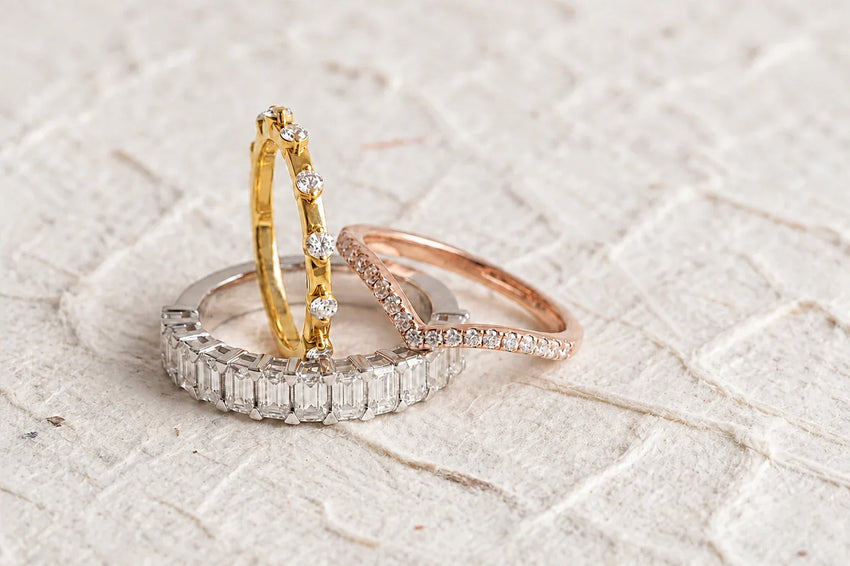
For Indian buyers, the decision also involves gold purity, traditional preferences, skin undertones, and BIS hallmarking. Understanding these differences can help you select an engagement ring that matches your lifestyle and personal taste.
1. Understanding the Differences Between Gold Colours
Yellow gold, white gold, and rose gold are all genuine gold alloys. Their colour differences result from the additional metals used during manufacturing, rather than differences in the basic nature of gold itself.
Yellow Gold: Classic Elegance and Tradition
Yellow gold remains a familiar and widely preferred choice in India, particularly for wedding jewellery and traditional designs. Its warm, golden appearance complements a variety of jewellery styles, from simple engagement rings to elaborate wedding sets.
This gold alloy is created by combining pure gold with metals such as copper and silver. Because its colour extends throughout the metal, yellow gold does not require a surface coating to maintain its characteristic appearance.
Yellow gold is available in different purity levels, including 14KT, 18KT, and 22KT. The 14KT option generally offers greater scratch resistance than 18KT, while 18KT contains a higher proportion of pure gold.
For buyers seeking a traditional appearance, straightforward maintenance, and a colour that remains consistent, yellow gold is a dependable option.
White Gold: A Contemporary and Refined Finish
White gold is popular among buyers who prefer a modern engagement ring with a bright, polished appearance. Its neutral finish creates an attractive contrast with diamonds and suits minimalist as well as sophisticated designs.
White gold is made by combining gold with lighter-coloured metals, such as nickel or palladium. It is then commonly coated with rhodium, which produces its distinctive bright-white finish.
However, rhodium plating gradually wears away through regular contact and friction. Depending on how frequently the ring is worn, re-plating may be necessary approximately every one to two years.
White gold is worth considering if you appreciate a cool-toned appearance and are comfortable with periodic professional maintenance. Buyers should also ask about the alloy composition if they have concerns about metal sensitivity.
Rose Gold: Distinctive Colour and Romantic Style
Rose gold stands out because of its soft pink or reddish appearance. Its colour comes primarily from copper mixed into the gold alloy, sometimes alongside a small amount of silver.
Unlike white gold's rhodium finish, rose gold's colour is present throughout the alloy. This means it does not need colour re-plating to maintain its characteristic pink appearance.
The proportion of copper influences the final shade. The guide explains that 14KT rose gold generally has a deeper pink tone, whereas 18KT rose gold tends to have a softer blush appearance.
Rose gold is also identified in the source guide as the hardest-wearing of the three gold colours at the same karat. Nevertheless, people with copper sensitivity should consider its composition before purchasing.
2. Which Gold Colour Complements Your Skin Undertone?
Skin undertone can provide a useful starting point when choosing an engagement ring. Although individual preferences always matter, different gold colours can complement warm, cool, and neutral undertones in different ways.
Warm undertones: Yellow gold and rose gold often complement warm complexions by enhancing their natural warmth. These metals are particularly appealing to buyers who prefer a traditional or softly romantic appearance.
Cool undertones: White gold can create a balanced, contemporary look against cool undertones. Its bright finish also works well with diamonds in cooler colour grades.
Neutral undertones: People with neutral undertones can generally experiment with all three metals. The best choice may depend more on wardrobe preferences, existing jewellery, and personal style.
Indian buyers may also consider how their engagement ring will coordinate with wedding jewellery. Yellow gold offers a familiar traditional appearance, while white and rose gold provide alternatives for contemporary designs.
Skin undertone is only a guideline, not a strict rule. Comparing different gold colours in person can help you decide which appearance you prefer.
3. How Gold Colour Influences Diamond Selection
The metal surrounding a diamond can affect how its colour appears to the eye. This is an important consideration when selecting a lab-grown diamond engagement ring.
Yellow gold and rose gold have warmer tones that can visually soften slight warmth in a diamond. According to the guide, H–J colour grades may be worth considering with these settings.
White gold creates a brighter, cooler contrast. The source recommends considering G–H colour grades for white gold settings because the surrounding metal can make the diamond's colour more noticeable.
The appropriate combination ultimately depends on the diamond, its cut, the setting design, and the appearance you want to achieve.
The source document also provides an indicative 2026 price reference of approximately ₹30,000–₹50,000 per carat for IGI-certified lab-grown diamonds in India. It states that Reia uses EF-colour diamonds as standard, with a flat rate of ₹35,000 per carat. These figures reflect the source document and should be confirmed with the seller before making a purchase.
4. Choosing Between 14KT and 18KT Gold
Gold purity affects the proportion of pure gold in an engagement ring and can influence its colour and wear characteristics.
-
14KT gold: Contains approximately 58.3% pure gold and is generally harder than 18KT gold. It can be a practical choice for people who wear their engagement rings frequently.
-
18KT gold: Contains 75% pure gold and offers a higher gold content. Its appearance varies by alloy, with yellow gold generally looking richer and rose gold often appearing softer than its 14KT counterpart.
For white gold, rhodium plating creates the bright white surface, so the difference between 14KT and 18KT is less obvious in the finished colour.
Rather than choosing solely on purity, consider the desired appearance, durability, and intended frequency of wear.
5. Maintenance Requirements for Each Gold Type
Maintenance is an important part of long-term engagement ring ownership.
Yellow gold generally requires routine cleaning and occasional polishing. Because its colour is not dependent on plating, there is no need for periodic colour restoration.
White gold requires additional attention because its rhodium coating gradually wears away. Professional re-plating can restore its bright white finish when necessary. The frequency depends on everyday use and exposure to friction.
Rose gold does not require rhodium re-plating because its pink colour comes from the alloy itself. Routine cleaning and occasional polishing can help maintain its appearance.
Regardless of the metal, regular inspections of the setting and prongs can help identify wear before it affects the security of the diamond.
6. Why BIS Hallmarking Matters in India
Gold purity verification is an essential part of buying jewellery in India. BIS hallmarking helps buyers identify the declared purity of gold jewellery covered by the applicable hallmarking requirements.
The purity marks highlighted in the guide include:
-
14KT: 585
-
18KT: 750
-
22KT: 916
The document explains that hallmark details include the BIS logo, the purity mark, and a six-character alphanumeric Hallmark Unique Identification (HUID).
Before completing a purchase, buyers should verify the HUID through the BIS Care app and confirm that the jewellery's details match the seller's description.
Checking hallmarking, diamond certification, and after-sales services provides additional confidence when comparing engagement rings.
Conclusion: Find the Gold That Fits Your Lifestyle
Choosing between rose gold, yellow gold, and white gold depends on more than appearance. Yellow gold offers traditional appeal and simple colour maintenance. White gold provides a bright, contemporary finish but may require periodic rhodium re-plating. Rose gold delivers a distinctive pink colour that runs throughout the alloy and offers a relatively low-maintenance alternative.
Consider your skin undertone, diamond colour grade, preferred karat, everyday activities, and willingness to maintain the ring. For Indian buyers, verifying BIS hallmarking is another important step.
Ultimately, the best engagement ring is one that balances personal style, practical requirements, and lasting comfort. By understanding the differences between these three gold colours, you can make a more informed decision when selecting your engagement ring in 2026.
