Root Canal Treatment: How the Procedure Works
Author : Health care | Published On : 20 Aug 2026
When infection or inflammation reaches the inner part of a tooth, professional treatment may be needed to protect the tooth from further damage. Patients considering Root Canal Treatment in Dubai can understand the procedure better by learning about diagnosis, treatment steps, possible benefits, recovery, and the care needed afterward.
What Is Root Canal Treatment?
Root Canal Treatment is a procedure used to treat problems affecting the dental pulp, which is the soft tissue located inside the tooth. The pulp contains nerves and blood vessels and can become infected because of deep decay, cracks, or trauma.
The treatment removes the affected tissue, cleans the internal canals, and seals them to help prevent further infection.
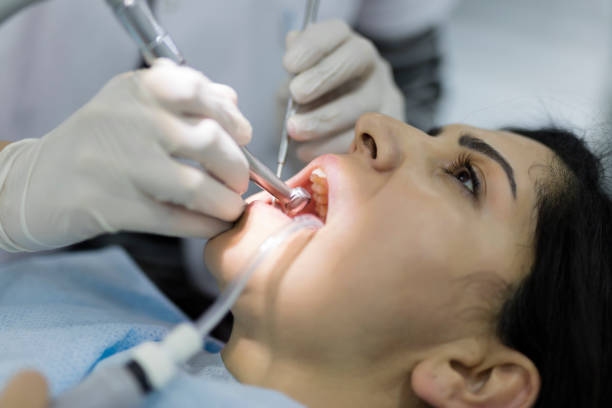
Why Does a Tooth Need Root Canal Therapy?
Deep decay can allow bacteria to reach the pulp and cause inflammation or infection. Dental trauma and cracks can also expose the inner tissues to bacteria.
Repeated dental procedures may sometimes contribute to pulp problems as well.
Deep Dental Decay
When decay reaches the pulp, the tooth may develop prolonged sensitivity or pain. If the damage is extensive, a filling may no longer be enough to restore the tooth.
Cracked or Injured Teeth
A crack can allow bacteria to enter the inner tooth. Injuries can also affect the pulp even when the tooth does not appear severely damaged externally.
Dental Clinic for Root Canal Diagnosis
A Dental Clinic can examine a painful or sensitive tooth and determine the underlying cause. The dentist may perform a clinical examination and use appropriate dental imaging to evaluate the roots and surrounding tissues.
A correct diagnosis is important before starting root canal therapy.
What Happens During Diagnosis?
The dentist reviews your symptoms and examines the affected tooth. Sensitivity tests or dental imaging may be used when appropriate to understand the condition of the pulp and surrounding bone.
This information helps determine whether root canal treatment is necessary.
What Is the First Step of Treatment?
Before starting the procedure, local anesthesia is generally administered to keep the treatment area comfortable. The dentist then creates an opening in the tooth to access the internal chamber.
The affected pulp can then be removed from the tooth.
How Are the Root Canals Cleaned?
After removing the infected or inflamed tissue, the dentist carefully cleans and shapes the root canals. This process removes remaining debris and helps prepare the canals for sealing.
The goal is to create a clean internal space that can be effectively filled.
How Are the Canals Sealed?
Once the canals have been cleaned and shaped, they are filled with a suitable dental material and sealed.
Proper sealing helps reduce the possibility of bacteria entering the treated canal system again.
What Happens After the Canals Are Sealed?
The tooth needs an appropriate restoration to restore its function and protect the remaining structure. Depending on the tooth, a filling or dental crown may be recommended.
Your dentist will determine the most suitable restoration based on the condition of the tooth.
Is Root Canal Treatment Painful?
Local anesthesia is used during treatment to make the procedure comfortable. Some tenderness may occur afterward, especially when the tissues around the tooth were inflamed.
Following professional aftercare instructions can help support recovery.
How Long Does the Procedure Take?
Treatment duration depends on the tooth's anatomy, number of canals, severity of infection, and overall complexity.
Some cases may be completed in a single appointment, while more complicated situations can require additional visits.
What Are the Benefits?
Root canal treatment can remove infected pulp while preserving a natural tooth that may otherwise require extraction. It can also help address symptoms caused by pulp infection or inflammation.
Preserving the natural tooth can support normal chewing and help maintain the surrounding teeth.
Why Is a Crown Sometimes Needed?
Teeth that have undergone root canal treatment can be more vulnerable to fracture when substantial tooth structure has been lost. A crown may provide additional protection for certain teeth.
The need for a crown depends on the tooth's location, remaining structure, and overall condition.
What Is Recovery Like?
Some mild tenderness can occur after treatment and usually improves as healing progresses. Your dentist may provide specific instructions about eating, brushing, and protecting the treated tooth.
If a temporary restoration is placed, extra care may be needed until the permanent restoration is completed.
Can a Root-Treated Tooth Last a Long Time?
A properly treated and restored tooth can continue functioning for many years. Its longevity depends on factors such as the quality of treatment, final restoration, oral hygiene, and regular dental care.
Preventing new decay around the restoration is particularly important.
What Happens If an Infected Tooth Is Left Untreated?
An untreated infection may worsen and cause increasing pain, swelling, an abscess, or damage to surrounding tissues.
Seeking dental care promptly can help prevent the condition from becoming more complicated.
Can Reinfection Occur?
Although root canal treatment can be successful, reinfection is possible. New decay, leakage around a restoration, complex root anatomy, or other issues can contribute to another infection.
Regular dental examinations can help detect concerns early.
How Can You Protect the Treated Tooth?
Brush twice daily with fluoride toothpaste and clean between the teeth every day. Avoid excessive pressure on the tooth while waiting for its final restoration.
Once fully restored, continue regular preventive dental care.
When Should You Seek Dental Care?
Persistent toothache, prolonged sensitivity, swelling, pain when biting, or tooth discoloration should be evaluated by a dentist.
Early diagnosis can help determine whether root canal treatment is appropriate and prevent the problem from progressing.
Maintaining Your Smile After Treatment
Understanding how Root Canal Treatment works can help patients feel more prepared for the procedure. With appropriate treatment, restoration, and ongoing oral hygiene, a treated tooth may continue to function for many years.
For patients considering Root Canal Treatment, a professional dental assessment can identify the cause of symptoms, explain each stage of treatment, and provide personalized guidance for protecting the treated tooth and maintaining a healthy smile.
