Root Canal Treatment Explained: Is It Really Painful? Myths vs. Facts
Author : Jaju Dental | Published On : 24 Nov 2026
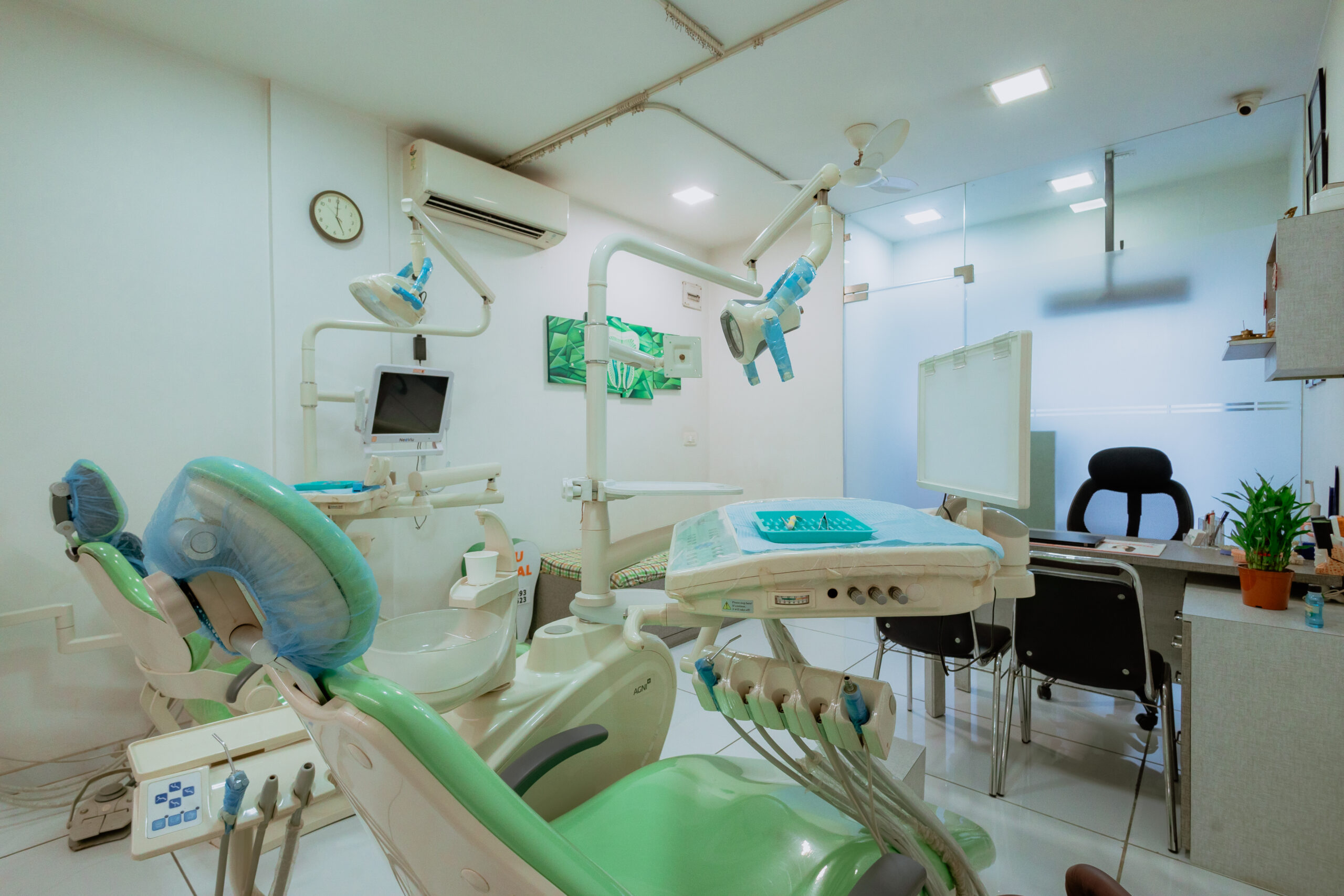
Root canal treatment has a reputation for being painful, and that fear keeps many people from seeking care. In reality, modern dentistry has changed the experience significantly. This guide separates common myths from facts so you can understand what the procedure truly involves. Knowing the facts makes the decision easier.
What Is Root Canal Treatment?
Many people search for a dental clinic near me when a tooth starts hurting badly, and they need quick relief. Often, the cause is infected pulp, the soft tissue inside the tooth, which becomes inflamed and needs timely treatment.
During the procedure, a dentist removes the infected pulp, cleans and shapes the inner canals, and seals the tooth to prevent reinfection. The goal is to relieve pain and save your natural tooth from needless extraction.
Why Do People Fear Root Canals?
The fear largely comes from older stories and outdated techniques. Before modern anesthesia, treatment could be uncomfortable, and those experiences were passed down through families, creating a reputation that no longer reflects what patients experience in today’s clinics.
Myth: Root Canals Are Extremely Painful
Today, local anesthesia numbs the tooth and surrounding area thoroughly before treatment begins. Most patients report feeling pressure rather than pain, and many compare the sensation to getting a routine filling, which most people tolerate well.
If you are searching for a dental clinic near me because of tooth pain, remember the pain usually comes from the infection, not the treatment itself. Treating the infected tooth typically brings noticeable and lasting relief for most patients.
Myth: Extraction Is Better Than a Root Canal
Removing a tooth may seem simpler, but it creates a gap that can cause neighboring teeth to shift over time. Saving the natural tooth usually protects your bite, your chewing ability, and your jawbone much better.
Extraction can also lead to additional costs and appointments, since missing teeth may eventually need implants or bridges. Preserving the original tooth through a root canal is frequently the more practical and economical long-term choice for most patients.
Myth: Root Canals Make You Sick
An old claim suggests root canals cause illness elsewhere in the body. This idea came from outdated research that has long been discredited, and decades of well-conducted scientific studies have since found no credible link between the two.
The procedure removes infected tissue, which actually helps prevent bacteria from spreading to nearby tissue. Leaving an infection untreated is generally far riskier for your overall health and comfort than completing the root canal itself, so timely care matters.
Myth: Root Canals Take Many Painful Visits
Treatment length depends on the tooth, the number of canals, and the infection. Many straightforward cases can now be completed in a single visit, thanks to advanced rotary instruments and digital imaging that improve precision and efficiency.
More complex or severely infected teeth may need two appointments to allow proper healing and recovery. Even then, each visit is typically comfortable and focused on cleaning the canals thoroughly, carefully, and gently.
Fact: Recovery Is Usually Quick
Mild tenderness or slight swelling for a few days is normal as the area heals. Over-the-counter pain relievers, taken as directed, usually manage it well, and most people return to their normal daily routines the following day without difficulty.
Avoid chewing hard foods on the treated tooth until a permanent filling or crown is placed to protect it from damage. Following your dentist’s aftercare instructions closely helps safeguard the tooth and supports smooth, steady healing and prevents complications.
Fact: Warning Signs You May Need One
Persistent toothache, lingering sensitivity to hot or cold, swollen gums, a small pimple on the gum, a darkening tooth, or pain when biting can all signal a deep infection inside the tooth that needs prompt professional dental attention.
Some infected teeth cause no pain at all, so regular dental checkups matter even when your mouth feels fine. A dentist can spot hidden problems on X-rays before they spread and lead to abscesses or serious bone loss around the tooth.
Fact: Early Treatment Makes It Easier
Delaying care, even for a few weeks, allows infection to spread, which can make treatment more complicated and uncomfortable. Addressing symptoms early usually means a simpler procedure, fewer visits, and a much better chance of saving the tooth and avoiding extraction.
Asking questions before treatment also helps you feel in control. A good dentist explains each step, discusses anesthesia options, and makes sure you feel comfortable, which reduces anxiety and makes the entire experience much easier for you.
Conclusion
Root canal treatment in Vile Parle West is far more comfortable than its reputation suggests. Modern anesthesia, precise techniques, and quick recovery make it a reliable way to save a damaged tooth. Dental practices such as Jaju Dental explain each step and answer questions beforehand. If you notice persistent tooth pain or swelling, seek professional care early instead of waiting.
