Root Canal Treatment: Benefits for Damaged Teeth
Author : Health care | Published On : 24 Aug 2026
Root Canal Treatment in Dubai can help restore a tooth that has been affected by deep decay, infection, cracks, or internal damage. When a tooth remains suitable for restoration, this treatment can offer several benefits while helping patients keep their natural tooth.
Why Do Damaged Teeth Need Treatment?
A tooth can become damaged because of untreated decay, trauma, cracks, or repeated dental procedures. If the damage reaches the dental pulp, bacteria can enter the inner part of the tooth and cause inflammation or infection.
Without appropriate care, the problem may become more difficult to manage.
How Does Root Canal Treatment Help?
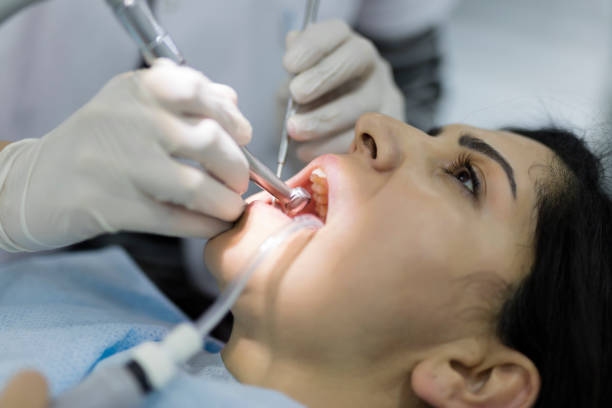
Root canal treatment removes infected or damaged pulp from inside the tooth. The canals are then cleaned, shaped, filled, and sealed.
This process helps control infection while allowing the remaining tooth structure to be restored.
Dental Clinic Care for Damaged Teeth
An experienced Dental Clinic can examine a damaged tooth and determine whether root canal treatment is appropriate.
The dentist may use clinical examination and dental X-rays to assess the tooth before recommending the most suitable treatment.
Can It Relieve Tooth Pain?
Tooth pain caused by inflammation or infection inside the pulp may improve once the affected tissue has been treated.
While some tenderness can occur after the procedure, treating the underlying problem can help resolve symptoms associated with an infected pulp.
Can It Stop Dental Infection?
Root canal treatment removes infected tissue and cleans the internal canal system.
Sealing the canals helps prevent bacteria from entering the treated area again. Proper restoration and oral hygiene are also important for protecting the tooth afterward.
Can It Preserve the Natural Tooth?
One of the main advantages of root canal therapy is that it can preserve a natural tooth when the tooth is considered restorable.
Keeping the natural tooth can help maintain chewing function and reduce the need for extraction and replacement.
Does It Restore Normal Chewing?
After the tooth has been properly treated and restored, it can generally return to normal function.
A permanent filling or crown may be recommended depending on how much tooth structure remains.
Why Might a Crown Be Recommended?
Teeth requiring root canal treatment may already have significant structural damage from decay or trauma.
A dental crown can provide additional protection when the dentist determines that the remaining tooth needs reinforcement.
Can Treatment Prevent Tooth Extraction?
When a tooth can be successfully restored, root canal therapy may provide an alternative to extraction.
The dentist evaluates the tooth's structure, infection, and overall condition before determining whether preservation is possible.
What Happens During Treatment?
The dentist first numbs the affected area. An opening is created to access the pulp chamber.
The damaged tissue is removed, the canals are cleaned and shaped, and the space is filled and sealed. A suitable restoration is then placed according to the treatment plan.
Is Root Canal Treatment Comfortable?
Local anesthesia is commonly used during the procedure to minimize discomfort.
Patients may experience pressure during treatment and mild sensitivity afterward. Any significant discomfort should be discussed with the dentist.
How Long Does Recovery Take?
Recovery varies depending on the condition of the tooth and the individual's response to treatment.
Many patients can return to normal activities relatively quickly, although temporary tenderness may occur.
How Should the Treated Tooth Be Protected?
Good oral hygiene is important after treatment. Regular brushing and flossing can help maintain the treated tooth and surrounding teeth.
Patients should also follow their dentist's instructions about chewing and restoration care.
What Happens If a Damaged Tooth Is Ignored?
A damaged tooth with an infected pulp may develop increasing pain, swelling, or an abscess.
The infection can also affect tissues around the tooth, making treatment more complicated. Professional assessment is therefore important when symptoms persist.
When Should You See a Dentist?
Persistent toothache, sensitivity, swelling, tenderness, or pain when chewing should be evaluated.
A dentist can identify the cause of the symptoms and determine whether root canal treatment or another procedure is necessary.
Can Root Canal Treatment Provide Long-Term Benefits?
A properly treated and restored tooth can continue functioning for many years with appropriate care.
Routine dental examinations and good oral hygiene can help identify new problems early and protect the treated tooth.
Final Thoughts
Root canal treatment can provide important benefits for damaged or infected teeth. It can help control infection, reduce symptoms, preserve natural tooth structure, and restore normal dental function when the tooth is suitable for treatment.
If you have persistent tooth pain or signs of infection, consult a qualified dental professional to find out whether Root Canal Treatment is appropriate for your dental condition.
