Role of U.S. Chemical Industry in Global Economy
Author : Jimmy Patel | Published On : 27 Mar 2026
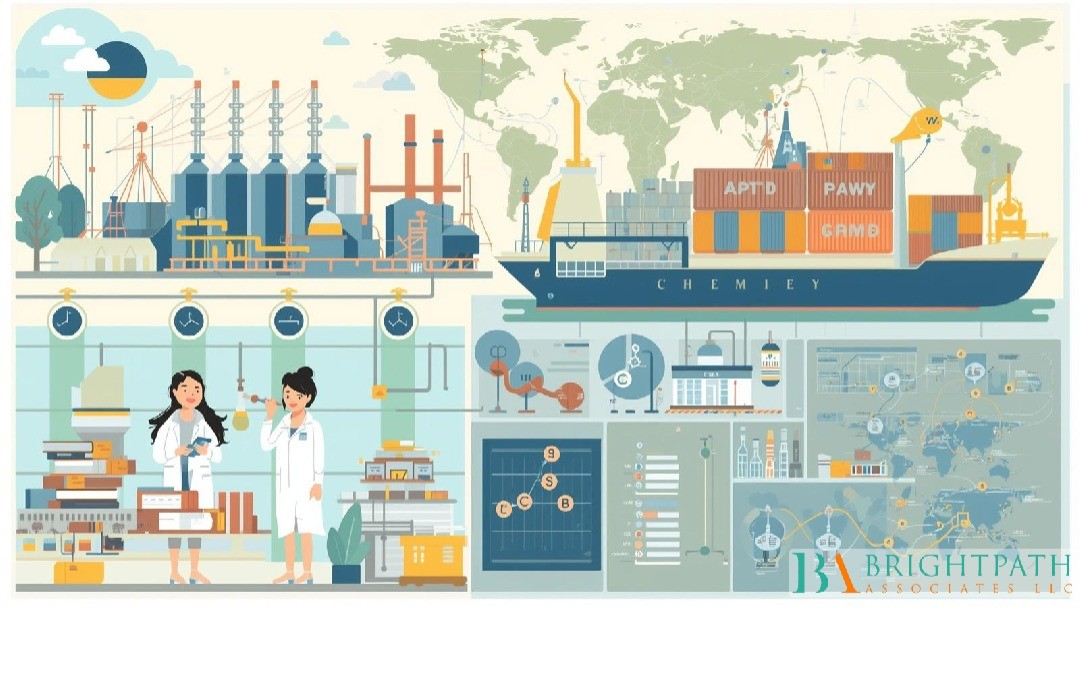
The U.S. chemical industry is one of the most foundational sectors in the global economy. It serves as both an economic engine and innovation hub, providing the raw materials and advanced compounds that fuel industries ranging from agriculture and automotive to pharmaceuticals and electronics. As global markets evolve in response to technological disruption, supply chain shifts, sustainability pressures, and geopolitical challenges, the strategic role of the chemical industry has never been clearer. For small to mid-sized chemical enterprises, navigating this complex economic landscape requires not only operational excellence and strategic vision, but also forward-thinking talent leadership that can drive growth, resilience, and competitive differentiation.
At its core, the U.S. chemical industry is built on a tradition of innovation. For decades, American chemical manufacturers have been responsible for breakthroughs in polymers, specialty chemicals, performance materials, and environmental technologies. These innovations have not only driven economic growth domestically but have also shaped global supply chains. According to industry analyses, the U.S. chemical sector ranks among the top producers worldwide, contributing significantly to GDP, export value, and employment. Whether through advanced materials used in electric vehicles or high-purity chemicals in pharmaceutical applications, chemical products are essential enablers of global industrial activity.
The industry’s importance extends far beyond product output. Chemical companies play a vital role in supporting cross-sector innovation. For example, advanced materials derived from chemical processes are integral to renewable energy technologies such as solar panels, battery systems, and lightweight composites used in clean transportation. This connectivity amplifies the strategic value of the chemical industry, making it a cornerstone of future-oriented economic development. As the global economy transitions toward digital and sustainable paradigms, chemical manufacturers are uniquely positioned to serve as enablers of progress.
Despite its strengths, the chemical industry operates in a dynamic and often volatile global environment. Trade policies, regulatory frameworks, and geopolitical shifts can all influence competitive positioning. For instance, fluctuations in international trade agreements or tariff structures can affect access to raw materials and market stability. The industry’s reliance on global supply chains means that disruptions—whether due to pandemics, natural disasters, or international conflict—can reverberate quickly across production networks. As a result, operational agility and strategic foresight are critical competencies for organizations seeking to thrive at both domestic and international levels.
Supply chain resiliency has emerged as a strategic imperative across the U.S. chemical sector. Companies are increasingly evaluating supply chain diversification, near-shoring opportunities, and digital integration to mitigate risk and improve responsiveness. Such shifts not only enhance day-to-day operations but also position organizations to respond effectively to external shocks. Digital technologies, including predictive analytics, automation, and cloud-based systems, are now being deployed across manufacturing and logistics operations to improve visibility, performance, and decision-making. This blending of digital and operational excellence strengthens competitive advantage while supporting scalability in an uncertain global market.
Amid these operational and technological transformations, sustainability has risen to the forefront of strategic priorities. The chemical industry’s environmental footprint has historically been a point of scrutiny due to energy intensity, emissions, and waste generation. In recent years, however, chemical manufacturers have embraced sustainability not as a compliance obligation, but as a value driver. Investments in green chemistry, emissions reduction technologies, and circular economy solutions are reshaping the sector’s environmental profile. Companies that integrate sustainability into their core strategies are finding that environmentally responsible practices can enhance brand reputation, reduce costs through efficiency gains, and unlock new markets where eco-certified products are increasingly valued. The chemistry of sustainability is not just about minimizing harm—it’s about creating economic value through purposeful innovation.
Another defining characteristic of the U.S. chemical industry’s role in the global economy is its capacity to attract investment. Historically, the United States has offered competitive advantages in research infrastructure, access to capital, and a skilled workforce. These factors have enabled chemical enterprises to stay at the cutting edge of research and development, particularly in high-growth segments like specialty chemicals and performance materials. However, competition from emerging markets and shifting global economic balances have prompted U.S. companies to sharpen their value propositions. Strategic investment in next-generation chemical technologies—such as bio-based chemicals, advanced polymers, and functional materials—is positioning the industry for long-term relevance on the global stage.
Within this complex ecosystem, talent has emerged as a defining factor in future success. As the chemical industry becomes more technologically sophisticated and globally integrated, the demand for skilled leadership and technical expertise continues to grow. Organizations now require professionals who can bridge traditional chemical engineering expertise with digital acumen, strategic insight, and cross-functional leadership. Specialists in automation, data analytics, sustainability management, and global supply chain strategy are becoming essential complements to conventional chemistry roles. In turn, organizations that build leadership pipelines and invest in talent development are better positioned to translate strategic ambitions into operational outcomes.
For small to mid-sized enterprises, talent acquisition and retention are particularly critical. Unlike multinational corporations with established employer brands and deep recruitment pipelines, smaller companies often compete for talent in markets dominated by larger players. To attract and retain high-impact professionals, organizations must articulate a compelling value proposition that highlights growth opportunities, career development pathways, and meaningful work aligned with industry transformation. Cultivating an employer brand that resonates with career-minded professionals is not just a recruitment tactic—it’s a strategic necessity for long-term competitiveness. This emphasis on talent is reshaping how chemical companies approach leadership development, workforce planning, and organizational culture.
The interconnected forces of economic globalization, technological change, regulatory evolution, and sustainability are reshaping the way chemical companies operate and compete. To understand more about the broader trends influencing the U.S. chemical sector. This resource provides additional insights into how chemical organizations are adapting to the challenges and opportunities of the current economic environment.
For a deeper look at the industry’s role in the global economy and how strategic leadership, innovation, and workforce development intersect with economic trends, explore the original article here: US Chemical Industry in Global Economy. Understanding these forces will empower leaders to make informed decisions that drive growth, resilience, and innovation.
As the global economy continues to evolve, the chemical industry will remain a central pillar of industrial capacity and economic development. However, the organizations that succeed will be those that combine operational excellence with strategic insight, embrace sustainability as a competitive advantage, and build leadership teams capable of navigating complexity. These companies will not only contribute to economic progress but will also shape the future of industrial innovation.
Call to Action: How is your organization positioning itself to thrive in a globalized chemical economy? Are your talent and leadership strategies aligned with your growth ambitions? What challenges or opportunities are you encountering as markets evolve? Share your perspectives in the comments below—we’d love to hear your insight. And if your company is seeking strategic talent solutions to support growth and transformation, connect with BrightPath Associates LLC to explore how we can help you attract, develop, and retain the executive leadership that will power your future success.
