Role of Fractional CTOs in Modernizing Mid-Sized Agribusinesses
Author : Alex Turner | Published On : 05 Aug 2026
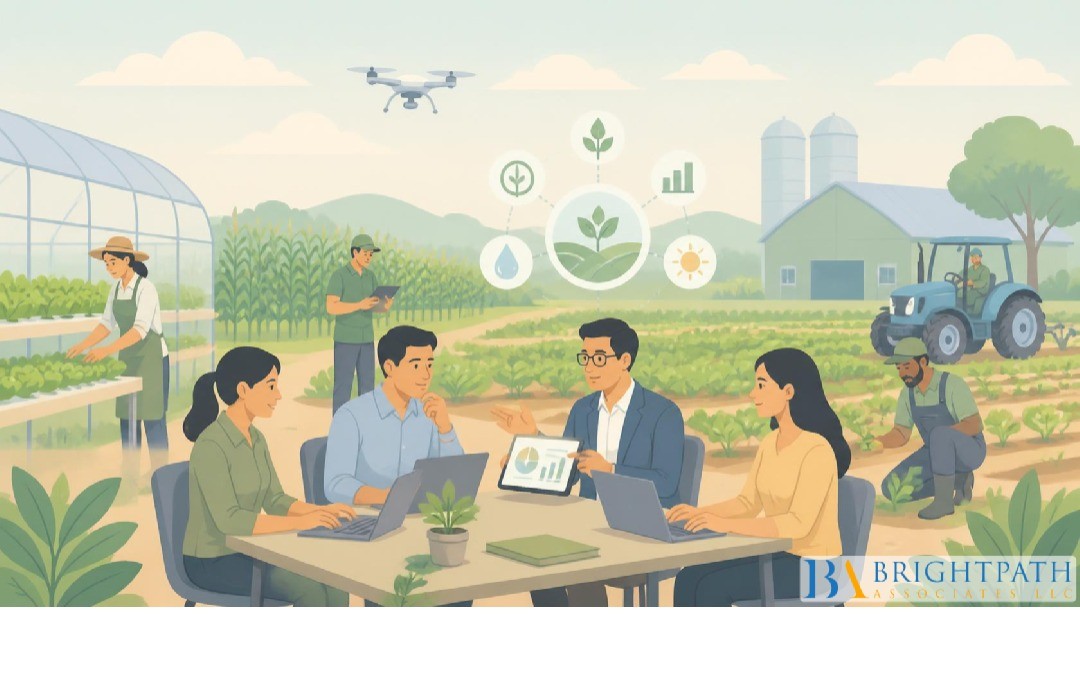
Agriculture is experiencing one of the most significant technological transformations in its history. Precision farming, AI-powered analytics, IoT sensors, satellite imagery, automated irrigation systems, farm management software, and predictive analytics are no longer reserved for large multinational agribusinesses. Today, small and mid-sized agricultural companies are increasingly adopting digital technologies to improve productivity, reduce operational costs, and remain competitive in a rapidly evolving marketplace. However, implementing these technologies successfully requires strategic leadership—something many growing agribusinesses struggle to access due to budget constraints. This is where the concept of a Fractional Chief Technology Officer (CTO) is creating new opportunities.
Unlike a full-time executive, a fractional CTO provides experienced technology leadership on a flexible basis, allowing organizations to benefit from executive-level expertise without the long-term financial commitment of a permanent C-suite hire. For mid-sized agribusinesses balancing growth ambitions with limited resources, this model offers an effective way to modernize operations while maintaining financial discipline.
Organizations across the Farming Industry are increasingly recognizing that technology decisions have become business decisions. Whether improving crop yields, optimizing supply chains, managing farm equipment, or strengthening sustainability initiatives, digital transformation requires strategic planning rather than isolated technology investments.
Many agricultural businesses have adopted software applications over time without developing a cohesive digital strategy. Farm management platforms, accounting software, inventory systems, weather monitoring tools, and logistics applications often operate independently, limiting visibility across operations. A fractional CTO evaluates existing technology ecosystems, identifies inefficiencies, and develops an integrated roadmap that aligns digital investments with long-term business objectives. Rather than recommending technology for its own sake, they ensure every investment supports measurable operational improvements.
One of the greatest advantages of engaging a fractional CTO is objective decision-making. Technology vendors frequently promote new platforms promising immediate productivity gains, but not every solution fits every organization. An experienced technology leader assesses operational requirements, evaluates return on investment, and recommends solutions based on business priorities instead of market trends. This disciplined approach helps companies avoid unnecessary spending while focusing on initiatives that deliver meaningful value.
Data has become one of agriculture's most valuable resources. Modern farms generate information from equipment sensors, drones, weather stations, irrigation systems, soil analysis, livestock monitoring devices, and financial systems. Yet many organizations struggle to transform this information into actionable insights. A fractional CTO helps establish data strategies that improve visibility across operations, enabling leadership teams to make informed decisions about production planning, resource allocation, inventory management, and operational performance.
Cybersecurity has also become increasingly important within agriculture. As farm operations rely more heavily on connected technologies, cloud platforms, GPS-guided equipment, and digital supply chain systems, organizations face greater exposure to cyber threats. Data breaches, ransomware attacks, and system disruptions can interrupt production while compromising sensitive operational information. A fractional CTO develops cybersecurity frameworks, strengthens technology governance, and implements best practices that protect business continuity without creating unnecessary operational complexity.
Technology modernization extends beyond software implementation. Many agribusinesses continue relying on manual administrative processes for procurement, inventory updates, compliance reporting, employee records, and customer communications. Automating repetitive workflows improves efficiency while reducing errors and administrative burdens. Rather than replacing employees, automation enables teams to focus on strategic activities such as customer relationships, operational planning, and innovation.
Supply chain visibility represents another area where technology leadership delivers measurable benefits. Agricultural businesses coordinate activities across growers, suppliers, transportation providers, processors, distributors, and retailers. Delays or communication breakdowns at any point can affect profitability and customer satisfaction. By integrating digital systems and improving information sharing, a fractional CTO helps organizations strengthen collaboration while increasing responsiveness to changing market conditions.
Sustainability has become a growing priority for both producers and consumers. Organizations increasingly seek technology solutions that improve water management, reduce fertilizer usage, optimize fuel consumption, and monitor environmental performance. A fractional CTO evaluates emerging technologies that support sustainability objectives while ensuring investments remain financially viable. This balanced approach allows businesses to strengthen environmental performance without compromising profitability.
Another important responsibility involves vendor management. Growing organizations often work with multiple technology providers offering hardware, software, cloud services, cybersecurity tools, and consulting expertise. Coordinating these relationships can become challenging without dedicated executive oversight. A fractional CTO ensures vendors align with organizational priorities, negotiate appropriate service agreements, and maintain accountability throughout technology implementation projects.
Employee adoption plays an equally important role in successful digital transformation. Even the most advanced systems deliver limited value if employees are uncomfortable using them. Technology leaders support change management through training, communication, and practical implementation strategies that encourage adoption while minimizing disruption. Employees who understand how technology improves daily operations are more likely to embrace new systems and contribute to continuous improvement.
Financial discipline remains one of the strongest advantages of the fractional leadership model. Mid-sized agribusinesses often require executive technology guidance but may not yet justify hiring a full-time CTO. Engaging an experienced leader on a part-time or project basis provides access to specialized expertise while preserving capital for operational investments, equipment upgrades, research initiatives, or market expansion. This flexible approach enables businesses to scale technology leadership alongside organizational growth.
Technology modernization also creates new workforce requirements. Organizations increasingly seek professionals with expertise in precision agriculture, digital operations, automation, analytics, cybersecurity, enterprise systems, and data management. Recruiting these specialized professionals has become essential for maintaining competitiveness within a rapidly evolving agricultural landscape. Companies that combine strong leadership with skilled technical talent are better positioned to implement innovation successfully and sustain long-term growth.
Businesses interested in learning more about technology leadership in agriculture can also explore Role of Fractional CTOs in Modernizing Mid-Sized Agribusinesses, which offers additional perspectives on how strategic technology guidance can support modernization efforts.
Ultimately, successful digital transformation depends on more than purchasing new technology. It requires clear strategy, experienced leadership, thoughtful implementation, and a commitment to continuous improvement. Fractional CTOs provide mid-sized agribusinesses with the executive expertise needed to navigate complex technology decisions, optimize operations, strengthen cybersecurity, and prepare for future growth without the cost of a permanent executive appointment.
