Role of Computer Vision in Locomotion and Early Illness Detection
Author : Alyssa Miller | Published On : 28 Sep 2026
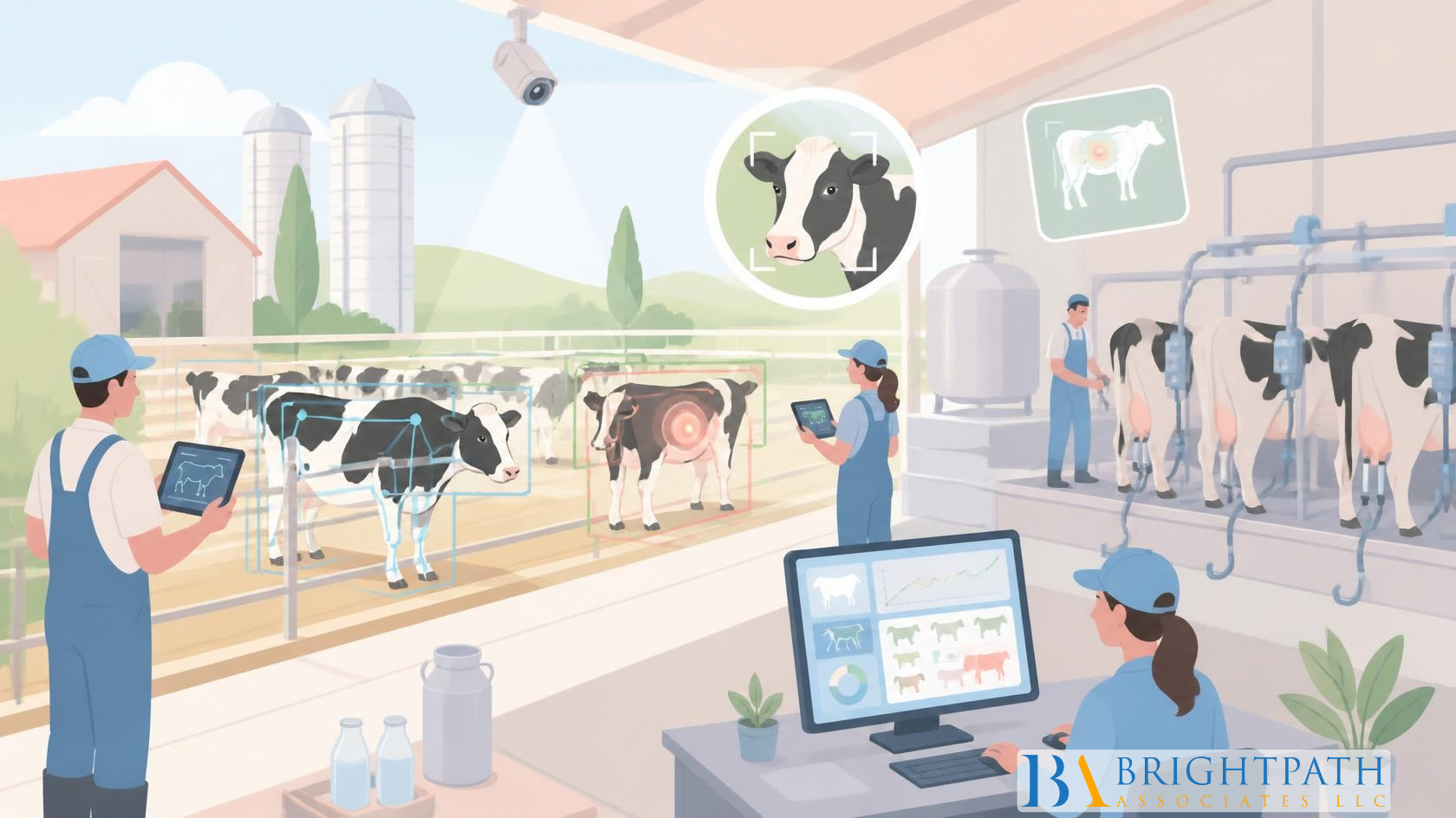
The modern dairy farm is becoming increasingly data-driven. Sensors, automated milking systems, wearable devices, robotics, and artificial intelligence are changing how producers monitor animals and manage daily operations. Among these technologies, computer vision is emerging as an especially valuable tool because it can observe animals continuously and identify physical or behavioral changes that may be difficult to recognize through periodic manual inspections.
For dairy producers, this has important implications. Locomotion problems, lameness, illness, changes in feeding behavior, and other health concerns can affect animal welfare and farm economics. Detecting these issues earlier can give producers an opportunity to investigate and intervene before a relatively small abnormality develops into a more serious operational challenge.
The growing use of computer vision reflects a larger transformation across the Dairy Industry, where automation, robotics, artificial intelligence, and smart monitoring systems are increasingly becoming part of modern production strategies.
What Is Computer Vision in Dairy Farming?
Computer vision uses cameras, image processing, and artificial intelligence algorithms to analyze visual information. Instead of relying exclusively on a person to observe each animal, cameras positioned around barns or milking facilities can collect images and video throughout the day.
Software can then analyze movement, posture, body condition, activity, and other visible characteristics. The significance is not simply that cameras can "see" cows. The greater opportunity comes from converting visual information into useful operational signals.
A system might identify a cow whose walking pattern differs from her historical movement, for example. That change could prompt a worker to conduct a closer examination. Computer vision therefore works best as a decision-support technology rather than a replacement for experienced dairy professionals.
Locomotion Monitoring and Earlier Identification of Lameness
Lameness remains an important concern in dairy production because mobility problems can affect animal welfare, feeding behavior, reproductive performance, and productivity.
Traditional locomotion scoring generally depends on trained personnel observing animals and assigning scores according to movement or posture. While experienced observers can provide valuable assessments, manual observation is periodic and can be influenced by workload, environmental conditions, and individual judgment.
Computer vision introduces the possibility of more frequent monitoring. Cameras can observe cows as they walk through designated areas, capturing information about stride, speed, posture, weight distribution, and movement patterns. Algorithms can compare these observations against established patterns or an individual animal's previous behavior.
A gradual change may provide an early signal that warrants further investigation. The objective is not necessarily to diagnose disease automatically. Instead, the technology can help prioritize attention, allowing farm personnel to focus their time where it may have the greatest value.
Early Illness Detection Through Behavioral Changes
Animal illness does not always begin with an obvious physical symptom. Changes in behavior can sometimes precede more visible signs. A cow may spend more time standing, move differently, visit the feed area less frequently, or demonstrate changes in social behavior.
When computer vision is integrated with other data sources, these subtle changes can become more meaningful. For example, visual observations could potentially be combined with activity data, feeding information, milk-production records, or automated milking-system data. The resulting picture can provide producers with a more comprehensive understanding of animal health.
This represents an important shift from reactive management toward earlier intervention. Rather than waiting until a cow clearly appears sick, producers can use technology to identify animals whose behavior deserves additional attention.
Combining Computer Vision With Other Dairy Technologies
Computer vision becomes more powerful when it is integrated into a broader digital ecosystem. Modern dairy operations may already use automated milking equipment, environmental sensors, animal identification systems, activity monitors, feed-management platforms, and farm-management software. Each system produces a different type of information.
A computer vision platform might identify an unusual movement pattern while another system reports reduced activity or a change in milk output. Individually, these signals may not be conclusive. Together, however, they could help a producer determine whether additional examination is appropriate.
This is where dairy automation moves beyond individual machines and toward integrated decision-making.
The Future of Computer Vision in Dairy
The development of computer vision is likely to continue alongside advances in artificial intelligence, edge computing, sensors, and automated farm-management systems. Future systems may become increasingly capable of recognizing complex patterns involving locomotion, behavior, body condition, and environmental conditions.
When technology enables producers to identify potential health concerns earlier, prioritize labor more effectively, improve animal welfare, and understand operational patterns, it can become a meaningful component of a modern dairy strategy.
For a deeper look at how computer vision can support locomotion monitoring and early illness detection, explore BrightPath Associates' Role of Computer Vision in Locomotion and Early Illness Detection.
What Does This Mean for Dairy Leaders?
Computer vision illustrates a larger transformation taking place across dairy farming. The future operation will increasingly depend on the interaction between people, animals, machines, data, and intelligent software.
For small and mid-sized dairy businesses, adopting these technologies can raise important questions. What should be automated? Which data matters most? How should employees respond to technology-generated alerts? And perhaps most importantly, does the organization have the leadership talent required to turn technology investment into operational results?
If your dairy organization is preparing for digital transformation and needs experienced executives or specialized professionals who can bridge dairy operations, technology, automation, and business strategy, connect with BrightPath Associates LLC to discuss your leadership and talent requirements.
