ROI of Predictive Maintenance for Refrigeration & Cold Chain Assets
Author : Alyssa Miller | Published On : 21 Jul 2026
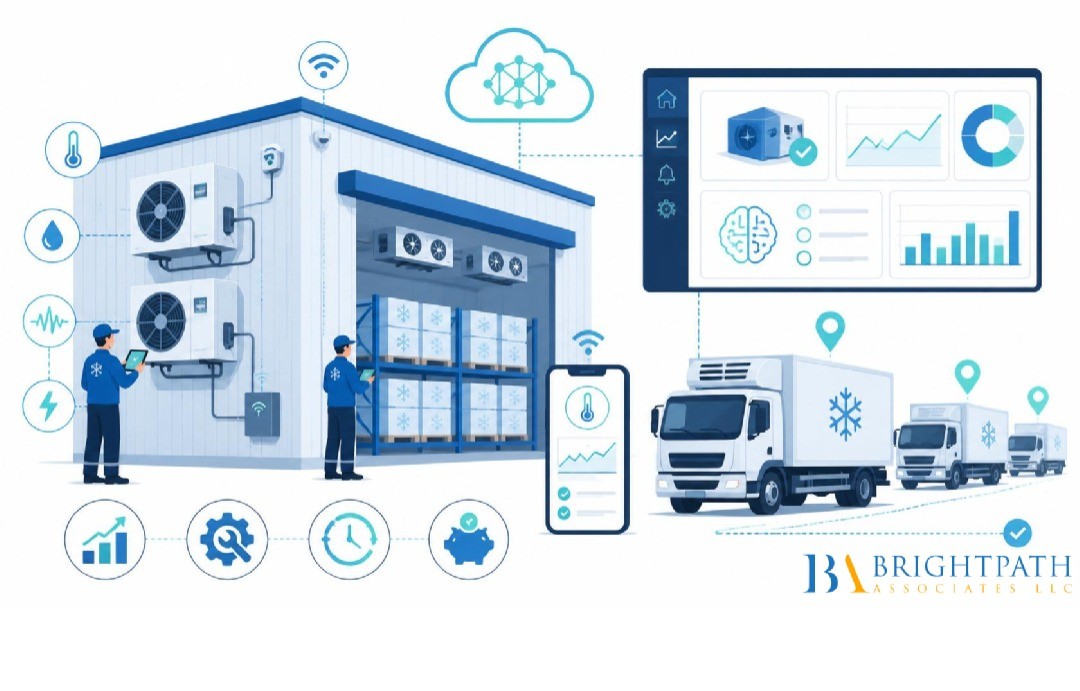
In the dairy industry, product quality depends on one critical factor above almost every other—temperature control. From raw milk collection and processing to refrigerated storage and final distribution, every stage of the cold chain must operate flawlessly. A single refrigeration failure can result in spoiled inventory, production delays, regulatory concerns, and dissatisfied customers.
For small and mid-sized dairy businesses, maintaining refrigeration equipment has traditionally relied on scheduled servicing or emergency repairs after equipment breaks down. While these methods have served the industry for years, they often lead to unnecessary maintenance costs, unexpected downtime, and avoidable product losses.
Predictive maintenance is changing this approach by helping organizations monitor equipment health in real time, identify developing issues before failures occur, and make informed maintenance decisions. As digital technologies become more accessible, predictive maintenance is no longer reserved for large enterprises. It is becoming an increasingly practical investment for growing dairy businesses seeking to improve operational performance while protecting valuable cold chain assets.
Organizations looking to stay informed about operational excellence, manufacturing innovation, and workforce trends can explore the Dairy Industry, where technology continues to reshape modern dairy production and distribution.
Why Refrigeration Reliability Matters
Every dairy operation depends on consistent refrigeration. Milk, cheese, yogurt, butter, ice cream, and other dairy products require carefully controlled temperatures throughout processing, storage, and transportation.
Even brief temperature fluctuations may reduce product quality, shorten shelf life, increase waste, and create food safety concerns. Equipment failures can also interrupt production schedules, delay customer deliveries, and increase operating expenses. Reliable refrigeration is therefore not simply an operational necessity—it is a strategic business priority.
Limitations of Traditional Maintenance
Many dairy companies continue using preventive maintenance schedules based on calendar dates or operating hours. While routine inspections remain valuable, fixed schedules cannot always identify hidden equipment problems developing between maintenance visits. Unexpected compressor failures, refrigerant leaks, worn bearings, electrical issues, and declining cooling performance often remain unnoticed until equipment performance deteriorates significantly.
Reactive maintenance creates emergency repair costs, overtime labor expenses, production interruptions, and potential inventory losses that could have been prevented through earlier intervention.
Understanding Predictive Maintenance
Predictive maintenance uses connected sensors, operational data, and intelligent analytics to evaluate equipment performance continuously. Instead of replacing components on predetermined schedules, maintenance teams receive alerts when equipment begins showing signs of abnormal operation. Information such as vibration, temperature, pressure, power consumption, compressor performance, and operating cycles provides valuable insights into equipment health.
This proactive approach enables maintenance teams to schedule repairs before equipment failure disrupts production.
Empowering Maintenance Teams
Technology enhances maintenance effectiveness without replacing skilled professionals. Maintenance technicians continue performing inspections, repairs, and equipment optimization, while predictive analytics helps prioritize their workload more efficiently. Instead of responding primarily to emergencies, maintenance teams can focus on planned improvements that deliver greater long-term value.
Training employees to interpret equipment data further strengthens maintenance performance and organizational resilience. Predictive maintenance becomes even more valuable when integrated with broader digital transformation initiatives.
Preparing for the Future
Advances in Industrial Internet of Things (IIoT), cloud computing, artificial intelligence, and machine learning continue expanding predictive maintenance capabilities. Small and mid-sized dairy businesses no longer need extensive technology budgets to benefit from connected maintenance solutions. Scalable systems allow organizations to begin with critical refrigeration assets and expand gradually as operational needs evolve.
Businesses that invest in predictive maintenance today position themselves for greater operational resilience, stronger customer service, and improved financial performance tomorrow. Readers interested in learning more about refrigeration reliability and operational improvement can also explore the ROI of Predictive Maintenance for Refrigeration and Cold Chain Assets for additional industry perspectives.
Conclusion
Predictive maintenance has become an essential strategy for dairy companies seeking to improve equipment reliability, reduce operating costs, protect product quality, and maximize the value of refrigeration assets. By leveraging real-time monitoring, data-driven insights, and proactive maintenance planning, organizations can reduce downtime, improve energy efficiency, extend equipment life, and strengthen overall operational performance.
