Rise of Smart Manufacturing and Its Implications
Author : Jimmy Patel | Published On : 11 Jun 2026
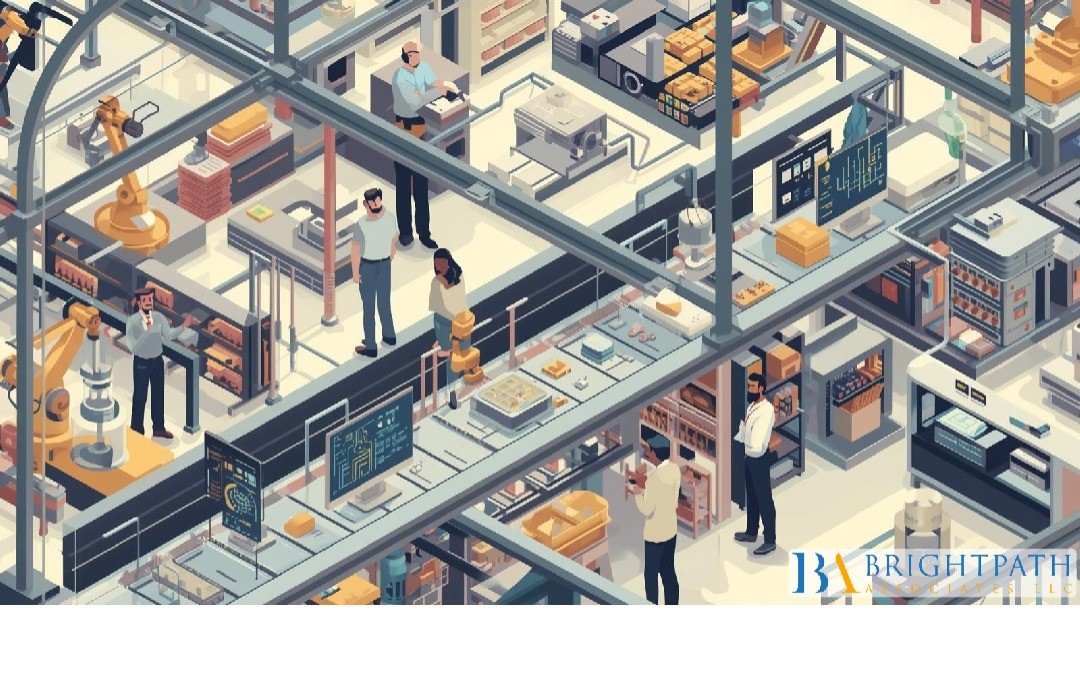
Manufacturing has always evolved alongside technological advancement. From mechanization and mass production to computerization and robotics, each industrial revolution has reshaped how businesses operate and compete. Today, however, manufacturers are witnessing a transformation unlike any before. Smart manufacturing has emerged as a defining force within industrial automation, fundamentally changing how products are designed, produced, monitored, and delivered.
For leaders of small and mid-sized enterprises across the United States, the implications extend far beyond adopting new technologies. Smart manufacturing is redefining workforce requirements, leadership expectations, competitive strategies, and long-term business models. The question facing executives is no longer whether smart manufacturing will influence their operations. The real question is whether their organizations are prepared to embrace the opportunities and navigate the challenges it presents.
At its core, smart manufacturing refers to the integration of advanced technologies such as the Industrial Internet of Things (IIoT), artificial intelligence, machine learning, robotics, cloud computing, advanced analytics, and digital twins to create connected, data-driven production environments. Unlike traditional automation systems that execute predefined tasks, smart manufacturing enables systems to learn, adapt, communicate, and optimize performance in real time.
The concept of the "smart factory" has gained significant momentum because manufacturers increasingly recognize that efficiency alone is no longer sufficient. Global competition, supply chain volatility, shifting customer expectations, and labor shortages demand greater agility and responsiveness.
Industry research suggests that smart factories have become a practical strategic priority rather than a distant aspiration. Deloitte notes that advancements in connectivity, analytics, and intelligent technologies have accelerated the movement toward connected manufacturing environments capable of responding dynamically to operational demands. Manufacturers are increasingly viewing smart operations as essential for maintaining competitiveness in an evolving marketplace.
Traditional production environments often operate in silos, limiting access to real-time operational insights. Smart manufacturing breaks down these barriers by connecting machines, systems, and processes throughout the production lifecycle. Sensors embedded across equipment continuously collect data related to performance, quality, utilization, and maintenance conditions.
This visibility empowers decision-makers to identify inefficiencies, monitor productivity, and respond proactively to emerging issues. Instead of relying solely on historical reports, executives gain access to actionable intelligence that supports informed decision-making. For decades, manufacturers relied on scheduled maintenance intervals or reactive repairs following equipment failures. Both approaches carried drawbacks, including unnecessary maintenance expenses and costly production interruptions.
Smart manufacturing enables organizations to shift toward predictive strategies. By analyzing equipment data through advanced algorithms, businesses can anticipate failures before they occur. This approach reduces downtime, extends asset life, improves resource allocation, and strengthens operational reliability. Automated inspection technologies, machine vision systems, and analytics platforms help identify defects earlier in the production process. Real-time monitoring minimizes waste, improves consistency, and supports continuous improvement initiatives. The result is enhanced customer satisfaction and stronger brand reputation.
Customer expectations continue to evolve rapidly. Businesses increasingly demand customization, shorter lead times, and greater transparency throughout the supply chain. Traditional manufacturing models designed for standardized mass production often struggle to accommodate these expectations. Connected systems allow manufacturers to adapt production schedules quickly, accommodate changing demand patterns, and support mass customization initiatives without sacrificing efficiency. This responsiveness can become a powerful competitive differentiator in today's marketplace.
Organizations across industries face growing pressure to reduce environmental impact while maintaining profitability. Smart manufacturing technologies help optimize energy consumption, reduce material waste, and improve resource utilization. Enhanced visibility into production processes enables businesses to identify opportunities for greater efficiency and environmental stewardship simultaneously.
Contrary to fears that automation eliminates human contribution, emerging evidence suggests that people remain central to successful transformation initiatives. Human expertise continues to play a vital role in problem-solving, decision-making, collaboration, and innovation. Research exploring smart factory evolution increasingly emphasizes human-centric approaches in which technology augments rather than replaces employees. Knowledge sharing, workforce adaptability, and intuitive access to operational insights are becoming essential components of high-performing manufacturing environments.
Organizations require employees capable of working alongside advanced technologies while developing competencies related to data analysis, systems integration, cybersecurity awareness, and continuous improvement. Simultaneously, many manufacturers face aging workforces and increasing competition for technically skilled talent. Businesses that invest in workforce development can strengthen employee engagement while preparing teams for evolving responsibilities. Cross-functional collaboration, digital literacy, and adaptive leadership increasingly distinguish organizations positioned for long-term success.
As operational technology and information technology environments converge, new vulnerabilities emerge. Every connected device, sensor, and communication channel introduces potential exposure to cyber threats. Industry experts caution that cybersecurity must evolve from an isolated IT concern into an enterprise-wide priority embedded within operational strategy. Protecting intellectual property, safeguarding production continuity, and maintaining stakeholder trust depend upon proactive approaches to cyber resilience.
Executives must balance technological investment with workforce readiness, cultural transformation, and strategic alignment. They must foster environments that encourage innovation while preserving operational discipline and safety. Organizations increasingly seek leaders capable of bridging engineering expertise with business acumen. They require executives who understand automation technologies, talent development, change management, and the complexities of guiding organizations through transformation.
BrightPath Associates specializes in helping organizations within the Industrial Automation Industry identify and attract leadership talent equipped to navigate technological disruption, drive innovation, and build resilient organizations prepared for the future. Ultimately, the rise of smart manufacturing represents more than the adoption of sophisticated technologies. It signals a fundamental shift in how businesses create value, engage employees, and compete within increasingly dynamic markets.
The manufacturers that thrive will not necessarily be those with the most advanced technologies. Instead, success will belong to organizations that integrate innovation thoughtfully, empower their people, and cultivate leadership capable of transforming disruption into opportunity. For readers interested in exploring additional perspectives on this topic, BrightPath Associates' original article, The Rise of Smart Manufacturing and Its Implications, provides further insights into the trends reshaping industrial automation and manufacturing excellence.
As your organization evaluates its readiness for the future, consider these questions: Are your current operations designed for adaptability or efficiency alone? Does your workforce possess the skills necessary to thrive in connected environments? And does your leadership team have the vision required to convert technological advancement into sustainable competitive advantage?
We invite you to share your perspectives in the comments below. Which smart manufacturing initiatives have generated the greatest impact within your organization? What challenges continue to shape your transformation journey? The conversations we begin today may inspire the leadership strategies and innovative practices that define the future of industrial automation.
