Rise of robotics in dairy farming: efficiency and productivity gains
Author : Alyssa Miller | Published On : 20 May 2026
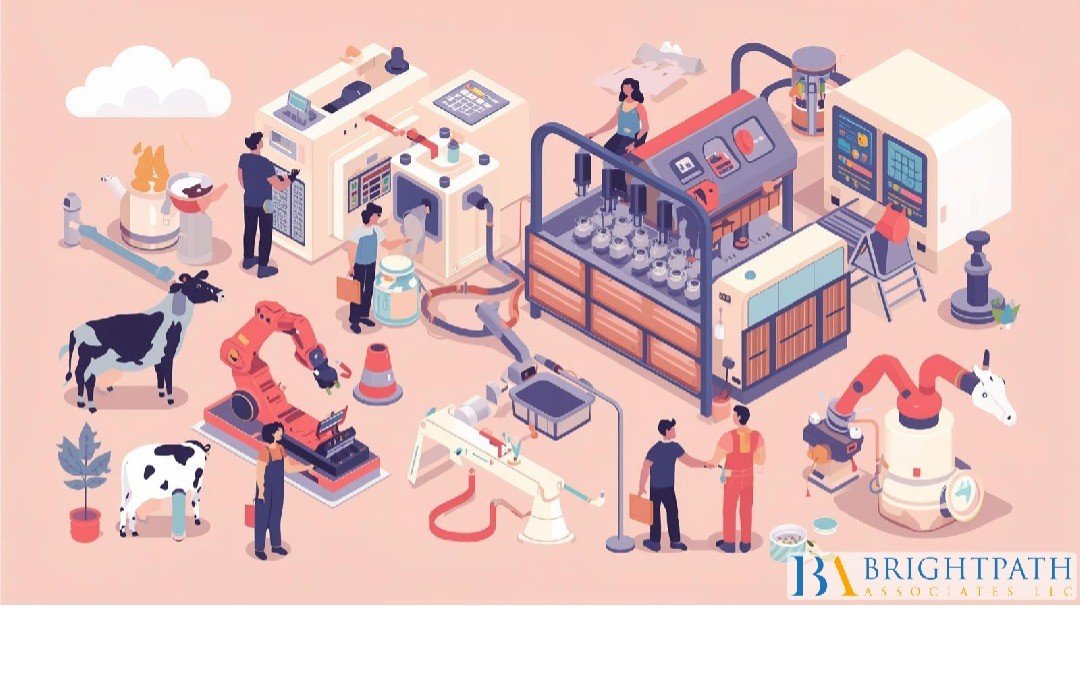
The dairy industry is experiencing a technological transformation unlike anything seen before. Across the United States, dairy producers are increasingly adopting robotics and intelligent automation systems to improve efficiency, reduce labor dependency, and maximize productivity. What was once considered futuristic technology is now becoming a practical solution for modern dairy operations facing rising operational costs, workforce shortages, and increasing production demands. As competition intensifies within the agricultural sector, robotics is helping dairy enterprises modernize operations while creating new opportunities for sustainable growth and long-term profitability.
Today’s dairy farms are rapidly evolving into data-driven ecosystems powered by automation, artificial intelligence, and real-time monitoring systems. From robotic milking machines to automated feeding systems and barn-cleaning technologies, advanced equipment is streamlining daily farm operations while enabling dairy managers to focus more strategically on herd health, operational planning, and business expansion. This transformation is particularly important for businesses operating within the Dairy Industry, where operational efficiency and workforce optimization have become critical factors in maintaining competitiveness.
One of the primary reasons robotics is gaining momentum in dairy farming is the growing labor challenge impacting agricultural operations throughout the United States. Dairy farming requires continuous, physically demanding work that operates around the clock. Many producers, especially small to mid-sized enterprises, are struggling to recruit and retain skilled labor capable of managing increasingly complex farm operations. Robotics offers a solution that allows farms to maintain consistent productivity while reducing dependence on manual labor. Automated systems can now handle repetitive and time-sensitive tasks such as milking, feed distribution, herd monitoring, and sanitation processes with greater precision and consistency than traditional methods.
Among the most influential innovations reshaping dairy farming is the Automated Milking System (AMS). Robotic milking technology allows cows to voluntarily enter milking stations based on their natural behavior patterns rather than following fixed schedules. This flexibility not only reduces stress on the animals but also improves milk production consistency and operational efficiency. Many dairy farms implementing robotic milking systems have reported significant reductions in labor requirements alongside measurable increases in milk yield. In addition to improving productivity, these systems generate valuable real-time data related to milk quality, cow health, and herd performance, allowing farm managers to make faster and more informed decisions.
The growing adoption of automation aligns closely with insights highlighted in the article Rise of Robotics in Dairy Farming, which emphasizes how technology is becoming a strategic necessity for dairy producers seeking long-term operational resilience. As dairy businesses continue investing in advanced systems, the industry is witnessing a shift from traditional labor-intensive operations toward highly connected, intelligent farming environments.
