Rise of GLP-1 Medications: Why Your Dairy Protein Strategy Must Evolve
Author : Alyssa Miller | Published On : 04 Aug 2026
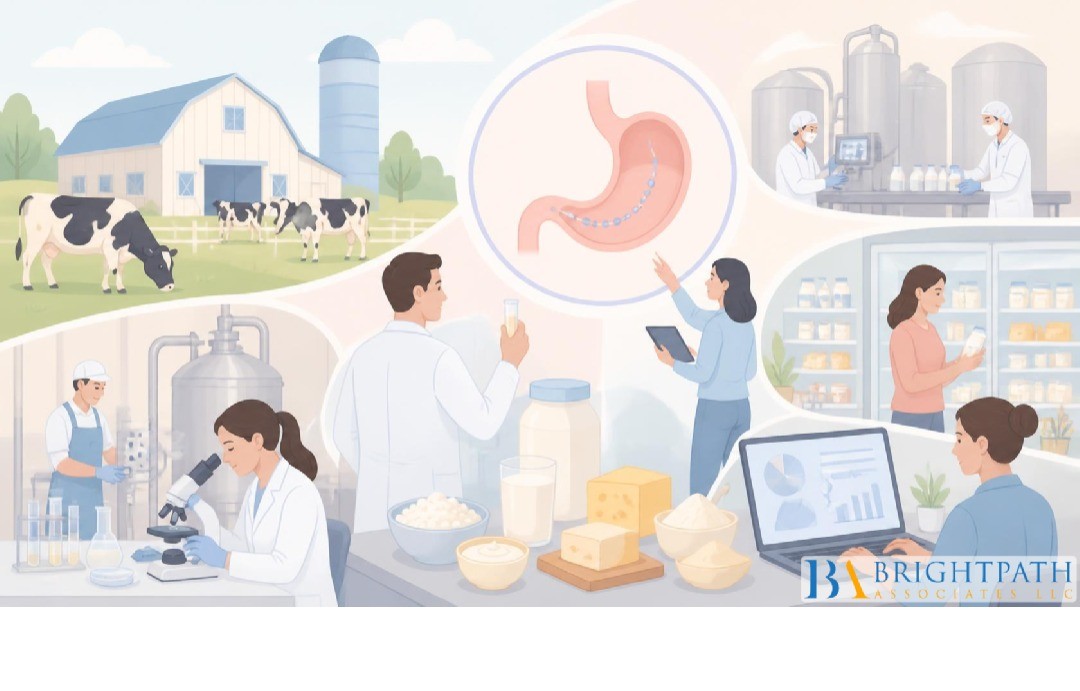
The dairy industry has always adapted to changing consumer preferences, from the rise of organic products and lactose-free alternatives to the growing demand for high-protein foods. Today, another shift is influencing purchasing behavior across the United States—the increasing adoption of GLP-1 medications for weight management and diabetes treatment. While these medications were developed to improve metabolic health, they are also changing how consumers approach nutrition, meal planning, and protein intake. For dairy businesses, this trend presents both challenges and opportunities that require thoughtful planning rather than reactive decision-making.
Consumers using GLP-1 medications often eat smaller meals because these therapies help increase feelings of fullness and reduce appetite. Although total food consumption may decrease, nutrition experts frequently recommend that patients maintain or even increase their protein intake to preserve muscle mass during weight loss. As a result, many shoppers are placing greater emphasis on foods that deliver high-quality protein in convenient portions. Dairy products—including Greek yogurt, cottage cheese, milk, whey protein, and high-protein beverages—are well positioned to meet these evolving nutritional needs.
Companies operating within the Dairy Industry have an opportunity to rethink product development, manufacturing priorities, and long-term growth strategies. Rather than focusing exclusively on traditional dairy categories, forward-looking organizations are exploring innovative products that align with changing consumer lifestyles and health goals. Businesses that understand these market dynamics early may be better prepared to strengthen customer relationships while identifying new sources of revenue.
One of the most significant implications of GLP-1 adoption is the increasing importance of nutrient density. Consumers who eat fewer calories want every meal to provide greater nutritional value. Dairy products naturally offer protein along with essential nutrients such as calcium, vitamin B12, and potassium. This combination positions dairy manufacturers to meet consumer expectations without requiring dramatic changes to familiar eating habits. Instead of marketing products solely around taste or convenience, companies are increasingly emphasizing functional nutrition and wellness benefits.
Innovation will play an essential role in meeting this growing demand. High-protein yogurts, ready-to-drink shakes, fortified dairy beverages, protein-rich snacks, and portion-controlled offerings are becoming more attractive to health-conscious consumers. Manufacturers that invest in research, product formulation, and packaging innovation can differentiate themselves in a competitive marketplace. Smaller dairy businesses may also benefit by identifying niche opportunities that larger competitors cannot address as quickly, allowing them to respond with greater agility to emerging consumer preferences.
Supply chain planning becomes equally important as demand patterns evolve. If protein-rich dairy products experience sustained growth, manufacturers may need to reassess production capacity, ingredient sourcing, inventory management, and distribution strategies. Reliable access to milk proteins, whey ingredients, specialized packaging, and efficient logistics will become increasingly valuable. Organizations that proactively strengthen supplier relationships and invest in operational flexibility will be better positioned to respond to market fluctuations without compromising product quality or customer service.
Consumer education represents another important opportunity. While many individuals recognize that protein supports muscle health, fewer understand how dietary needs may change when using GLP-1 medications. Dairy brands can establish trust by providing evidence-based educational content that highlights the role of protein within a balanced diet. Transparent communication, supported by scientific research and healthcare guidance, allows manufacturers to build credibility while helping consumers make informed purchasing decisions.
At the same time, organizations should recognize that the long-term impact of GLP-1 medications extends beyond product development. It also affects workforce planning and leadership priorities. Successfully adapting to changing market conditions requires professionals with expertise in food science, product innovation, operations, regulatory compliance, supply chain management, consumer insights, and commercial strategy. Recruiting experienced leaders capable of navigating evolving consumer trends has become increasingly important for dairy manufacturers pursuing sustainable growth.
Building cross-functional collaboration is another critical success factor. Research and development teams, manufacturing leaders, marketing professionals, procurement specialists, quality assurance experts, and commercial executives all contribute to successful product launches. When these departments work together, organizations can respond more effectively to changing consumer expectations while maintaining operational efficiency and regulatory compliance. This collaborative culture enables businesses to innovate more quickly without sacrificing product quality or customer satisfaction.
Sustainability should also remain central to future dairy protein strategies. Consumers increasingly expect manufacturers to demonstrate environmental responsibility alongside nutritional excellence. Investments in responsible sourcing, efficient production processes, recyclable packaging, and waste reduction initiatives strengthen both operational performance and brand reputation. Companies that successfully integrate sustainability into innovation efforts are often better positioned to meet retailer expectations while appealing to environmentally conscious consumers.
Organizations interested in exploring additional perspectives on this evolving market can read Why Your Dairy Protein Strategy Must Evolve, which examines the broader business considerations surrounding changing consumer nutrition trends and their impact on the dairy sector.
Ultimately, the rise of GLP-1 medications represents more than a temporary healthcare trend. It reflects broader changes in how consumers think about nutrition, wellness, and food choices. Dairy businesses that embrace innovation, invest in high-quality protein products, strengthen supply chains, educate consumers, and build experienced leadership teams will be better positioned to thrive in this evolving marketplace. Rather than viewing changing dietary behaviors as a disruption, forward-thinking organizations can use them as an opportunity to create differentiated products, strengthen customer loyalty, and achieve sustainable growth.
