Resilient Supply Chains: De-risking Your Machinery Parts Sourcing in 2026
Author : Ayesha Diaz | Published On : 13 Oct 2026
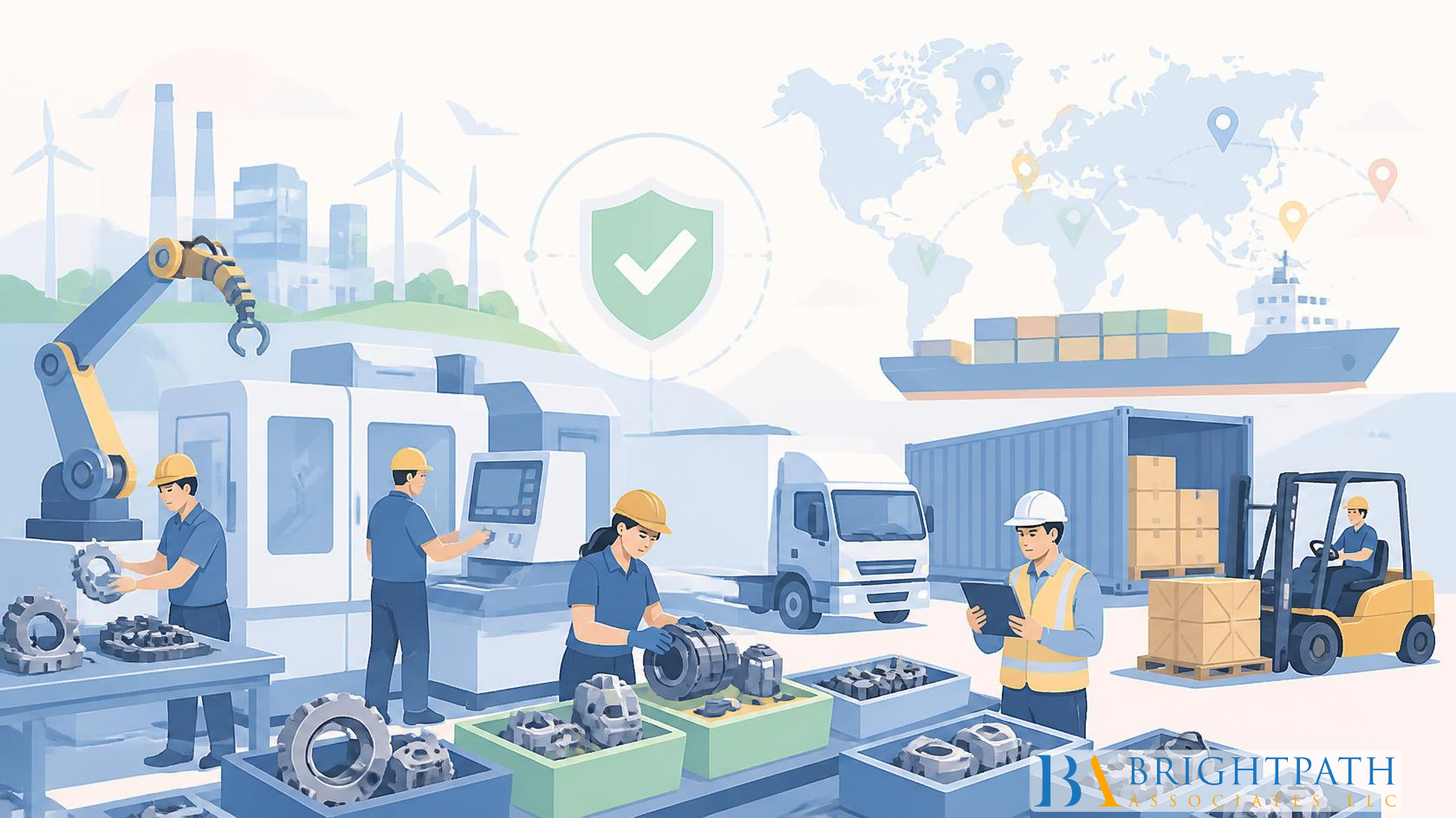
For machinery manufacturers across the United States, supply chain resilience has become a critical factor in maintaining production efficiency, controlling costs, and protecting long-term business growth. From precision-engineered components to industrial motors and hydraulic assemblies, every part plays an important role in keeping manufacturing operations running smoothly. When even one essential component becomes unavailable, production schedules can quickly fall behind, customer commitments may be missed, and profitability can suffer.
In 2026, manufacturers face a complex operating environment shaped by changing trade policies, transportation uncertainty, fluctuating material costs, supplier capacity constraints, and increasing technological demands. For small and mid-sized enterprises, these challenges can be particularly difficult because they often operate with tighter budgets and fewer sourcing alternatives than larger corporations.
The solution is not simply to purchase more inventory or find cheaper suppliers. Businesses need a strategic approach that combines supplier diversification, digital visibility, financial planning, quality assurance, and effective leadership. How can machinery manufacturers develop supply chains that remain dependable even when unexpected disruptions occur?
Understanding the Hidden Risks in Machinery Parts Sourcing
Machinery production depends on components that must meet precise technical and performance requirements. Bearings, gears, electronic controls, specialized fasteners, motors, and custom-machined parts frequently come from different suppliers, sometimes operating across multiple countries. This complexity creates several vulnerabilities.
Supplier concentration is one of the most significant risks. Depending on a single vendor for a specialized component can leave a manufacturer exposed to factory shutdowns, capacity limitations, financial difficulties, or transportation delays. Replacing that supplier may not be straightforward, particularly when the component requires proprietary tooling, specialized materials, or extensive engineering validation.
Quality inconsistencies introduce another challenge. A replacement component might appear suitable based on its dimensions but fail to meet durability, certification, or operational requirements. Such failures can create additional inspection costs, equipment downtime, and potential safety concerns.
Manufacturers should therefore begin by identifying their most critical components, mapping supplier dependencies, evaluating replacement lead times, and determining the operational consequences of shortages. This risk assessment provides a practical foundation for prioritizing investments and developing contingency plans.
Supplier Diversification Without Compromising Quality
Diversifying suppliers can reduce dependence on individual vendors and provide greater flexibility during disruptions. However, adding suppliers indiscriminately can increase administrative expenses, complicate quality management, and create unnecessary purchasing complexity.
A more effective strategy is selective diversification. Manufacturers should identify components that could bring production to a standstill if unavailable and determine whether alternative suppliers can meet the necessary technical specifications. Qualification processes should include sample testing, documentation reviews, capability assessments, and appropriate quality inspections.
Regional sourcing can complement established international supplier relationships. Domestic suppliers may offer shorter transportation routes, easier communication, and greater responsiveness for urgent requirements. Nevertheless, local sourcing does not automatically guarantee lower prices or uninterrupted availability. Businesses must compare total landed costs, including freight, duties, inspection expenses, inventory carrying costs, and the potential financial impact of delayed deliveries.
Strong supplier relationships are equally important. Sharing realistic forecasts, communicating design changes early, and discussing future capacity requirements can help vendors plan production more effectively. For small and mid-sized manufacturers, treating suppliers as strategic partners rather than interchangeable vendors can create meaningful operational advantages.
The Leadership and Talent Behind Supply Chain Resilience
Machinery manufacturers increasingly need professionals who combine engineering knowledge with commercial judgment, digital capabilities, and strategic planning skills. Supply chain executives must understand supplier risk, while operations leaders need to coordinate production requirements with procurement and maintenance priorities.
For small and mid-sized enterprises, hiring the right leadership talent can be especially important. Limited management capacity may make it difficult to implement supplier diversification, modernize planning systems, or establish consistent risk management processes. Experienced leaders can help connect these initiatives to measurable business outcomes.
Companies exploring leadership and technical hiring solutions can learn more about BrightPath Associates' Machinery industry recruitment expertise, which supports organizations seeking talent across machinery manufacturing, industrial automation, engineering, and supply chain leadership.
Organizations should evaluate candidates on their ability to improve operational reliability, develop strategic supplier partnerships, manage uncertainty, and build collaborative teams. Internal training and succession planning can further strengthen these capabilities over time.
Conclusion: Make Resilience a Competitive Advantage
In 2026, resilient machinery parts sourcing is no longer simply a purchasing responsibility. It is a business strategy that influences manufacturing continuity, customer satisfaction, financial stability, and competitive performance.
Manufacturers can strengthen their supply chains by diversifying critical suppliers, improving digital visibility, aligning inventory with operational risk, maintaining rigorous quality standards, and investing in capable leadership. The most effective strategies are practical, measurable, and regularly reviewed as market conditions and production requirements evolve.
For a deeper examination of these approaches, explore the original BrightPath Associates article, Resilient Supply Chains: De-risking Your Machinery Parts Sourcing in 2026.
What is the biggest supply chain challenge facing your machinery business today: supplier reliability, rising costs, inventory management, or the shortage of experienced talent? Share your perspective in the comments and join the conversation about building more resilient manufacturing operations. If your organization is preparing to strengthen its supply chain leadership, consider connecting with BrightPath Associates to discuss your executive recruitment needs.
