Renewable Resources: Building Sustainable Future
Author : Victor Lang | Published On : 13 Mar 2026
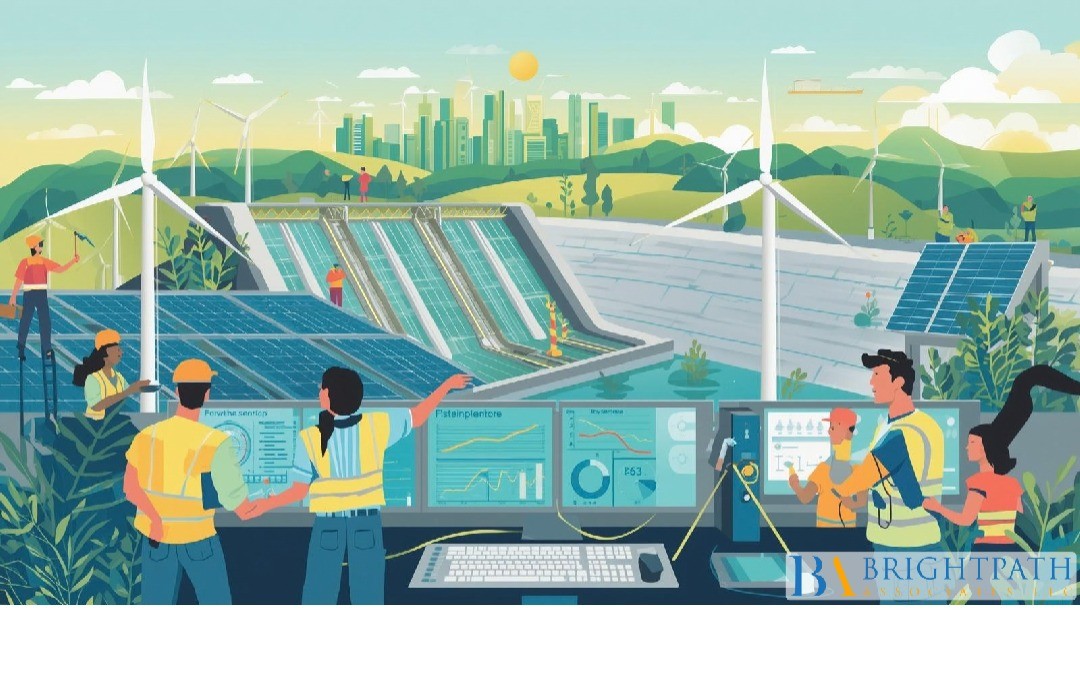
The global transition toward renewable energy isn’t just an environmental imperative — it has become a critical business strategy shaping the competitive landscape for small to mid-sized enterprises across the United States. As the world intensifies its commitment to carbon reduction and sustainable growth, renewable resources are emerging as central pillars in the evolution of energy systems, corporate strategy, and economic resilience.
For leaders and decision-makers in the renewables space, this transition presents both significant opportunities and strategic challenges. Success will depend on how organizations leverage innovation, navigate regulatory frameworks, and secure the right leadership talent to drive transformation.
New Era for Renewable Resources
Renewable resources encompass a variety of energy sources — including solar, wind, hydro, geothermal, and bioenergy — that regenerate naturally and help reduce dependence on fossil fuels. Today, renewable energy solutions are not merely a response to climate change; they are integral to long-term business viability and energy security. By transitioning to cleaner energy sources, businesses can significantly cut greenhouse gas emissions, shield themselves from fossil fuel volatility, and build more resilient operational capabilities.
Driving this energy transition is a combination of technological innovation and shifting market dynamics. Solar and wind technologies have seen dramatic cost decreases and efficiency gains, making them increasingly competitive with traditional energy sources. Advances in energy storage, smart grid systems, and carbon-neutral fuels are further expanding the reach and reliability of renewables.
Economic and Strategic Imperatives
For small to mid-sized enterprises, renewable energy represents more than a sustainability goal — it’s a strategic economic driver. Renewable investments contribute to:
-
Operational cost savings: Renewable systems can reduce long-term energy expenditures and buffer companies against energy price fluctuations.
-
Enhanced competitiveness: Firms with robust sustainability profiles are increasingly attractive to customers, investors, and strategic partners.
-
Job creation and innovation opportunities: The renewable sector continues to generate new roles in technology, project development, and energy services.
These dynamics bolster the broader renewables & environmental services industry, where strategic planning and talent acquisition increasingly intersect with operational imperatives.
Policy, Regulation, and Market Incentives
Government policy plays a pivotal role in advancing renewable energy adoption. Incentives such as tax credits, clean energy grants, and streamlined permitting processes have accelerated project development and encouraged investment across sectors. These regulatory frameworks also create compliance benchmarks that organizations must meet — often necessitating leaders with deep expertise in navigating policy landscapes and environmental reporting.
Coupled with public demand for sustainability and corporate ESG commitments, the regulatory environment is reshaping how organizations prioritize renewable resource initiatives. Aligning internal strategies with evolving policy expectations is no longer optional — it’s a core aspect of competitive risk management.
Innovation at the Heart of Sustainable Growth
Technological advancement remains the engine propelling the renewable transition. Solar photovoltaic systems, wind farm optimization tools, and emerging storage solutions are just a few examples of how innovation is improving both performance and accessibility.
-
Smart Grids: Intelligent electrical grids improve energy distribution, balance load demands, and enhance renewable integration.
-
Energy Storage: Next-generation battery technologies and other storage systems ensure reliability and reduce intermittency issues inherent to renewable generation.
-
Bioenergy and Geothermal Solutions: These renewable sources offer additional pathways to diversify energy portfolios and support local energy independence.
Each of these innovations increases the potential for companies to operate sustainably while enhancing their operational resilience in a rapidly evolving energy landscape.
Leadership Imperative: Talent, Vision, and Execution
While technology and policy frameworks are critical, the renewable energy transition ultimately hinges on the quality of leadership. Today’s business landscape demands executives who can bridge technical expertise with strategic vision — understanding not only renewable technologies but also how they integrate with corporate strategy, investment planning, and risk management.
A common challenge many firms encounter is a shortage of leaders with the expertise to drive transformation effectively. According to recent industry reports, a significant number of small to mid-sized renewable energy companies struggle to fill senior executive roles with professionals who bring both industry insight and strategic business acumen. These leaders need to:
-
Navigate complex regulatory terrains
-
Drive adoption of advanced technologies
-
Build partnerships across sectors
-
Align sustainability goals with financial performance
This expanded role requires a blend of skills that extend well beyond traditional operational oversight. Identifying and securing such leaders often demands specialized recruitment strategies — particularly for organizations seeking to outpace competitors and capitalize on renewable market growth.
Executive Recruitment as a Strategic Advantage
For companies ready to scale, strategic talent acquisition is not just a human resources function — it’s a competitive differentiator. Executive search recruitment offers access to a broader pool of seasoned professionals whose expertise can accelerate innovation, strengthen governance, and optimize organizational performance. Partnering with firms experienced in aligned sectors allows businesses to:
-
Source executives with proven renewable energy leadership
-
Reduce hiring cycle times and risk exposure
-
Foster organizational cultures focused on sustainability and innovation
At BrightPath Associates LLC, we specialize in connecting renewable energy enterprises with leaders who possess the blend of technical proficiency and strategic vision necessary for success. To dive deeper into the foundational content that inspired this article, visit the original discussion here: Renewable Resources Building.
Conclusion: Seizing the Renewable Opportunity
Renewable resources represent one of the most transformative business opportunities of the 21st century. As the shift toward sustainable energy accelerates, organizations that invest in innovation, align with policy frameworks, and secure visionary leadership will be best positioned for growth.
Whether you’re a startup entering the renewable market or an established energy company redefining your portfolio, now is the time to act. Embrace renewable resources, strengthen your leadership capabilities, and lead your organization confidently into a sustainable tomorrow.
