Redesigning Farm Workforce: Building Culture in Remote-Managed Environment
Author : Alex Turner | Published On : 02 Sep 2026
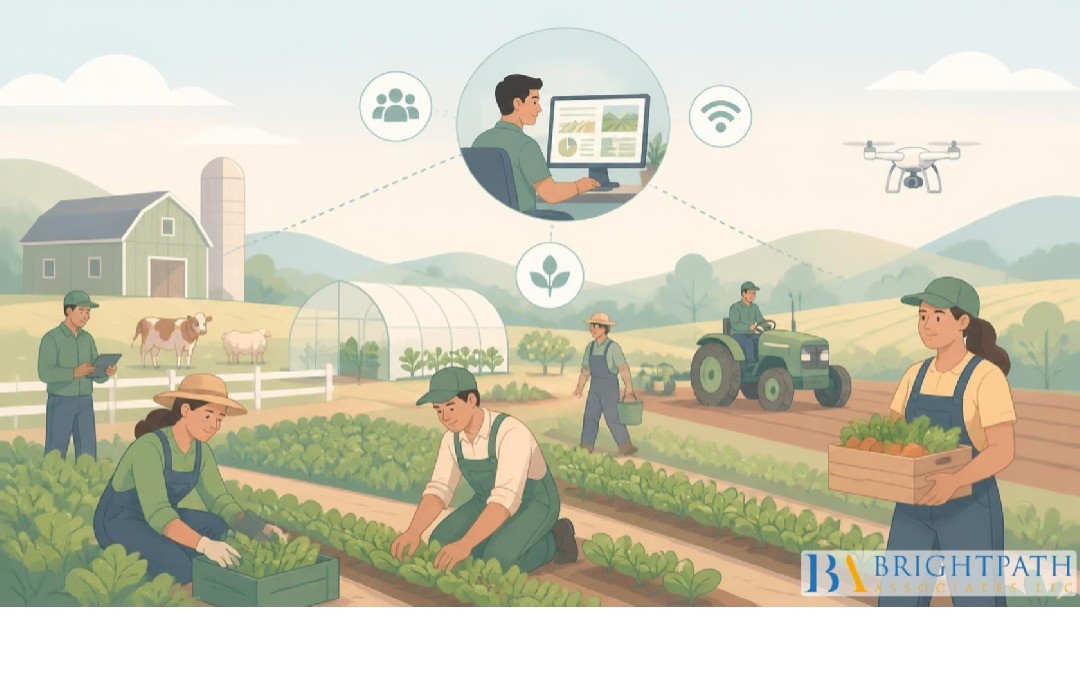
Farming has always depended on people who understand the land, the seasons, the equipment, and the realities of daily operations. But the modern farm workforce looks very different from the traditional model. Technology, labor shortages, geographically dispersed teams, automation, and changing employee expectations are reshaping how agricultural businesses attract, manage, and retain talent.
For small and mid-sized farming companies, this transformation creates an important question: How do you build a strong workplace culture when employees are spread across fields, facilities, locations, and sometimes even different regions?
The answer is not simply adding another communication platform or increasing employee benefits. It requires a fundamental redesign of how leaders think about workforce management, accountability, communication, development, and belonging.
The Farm Workplace Is Becoming More Distributed
A modern agricultural operation may have farm managers working from a central office, equipment specialists moving between locations, agronomists using digital tools remotely, seasonal workers operating in the field, and administrative teams working from home or another state.
This distributed structure can improve flexibility and access to specialized talent. However, it can also create cultural gaps. Employees who rarely interact with leadership may feel disconnected from business objectives. Field employees may believe that office-based teams do not understand operational realities. Managers may struggle to maintain consistent communication across multiple locations.
The result can be a workforce that is operationally connected but culturally fragmented. For agricultural leaders, therefore, workforce strategy must extend beyond filling positions. It must create a shared sense of purpose regardless of where employees perform their work.
Culture Cannot Depend on Physical Proximity
Traditional workplace culture often developed naturally through physical interaction. Employees saw their managers, shared conversations during breaks, solved problems together, and learned organizational expectations through observation.
Distributed agricultural teams cannot rely on those informal interactions. That means establishing clear communication rhythms, defining expectations, recognizing contributions, and ensuring employees understand how their individual responsibilities contribute to broader farm or agribusiness objectives.
A farm equipment technician, for example, should understand that equipment reliability is not merely a maintenance responsibility. It directly influences planting schedules, productivity, operating costs, and ultimately profitability. When employees understand this connection, their work becomes more meaningful.
Technology Should Connect People, Not Replace Leadership
Agricultural technology is transforming farm operations through automation, precision agriculture, farm management software, sensors, analytics, and remote monitoring. These tools can also support workforce coordination.
A workforce management platform may tell a manager whether a task was completed. It cannot necessarily tell the manager whether an employee feels valued, understands expectations, or sees a future within the organization.
This distinction is becoming increasingly important as farms adopt digital tools. Technology should provide visibility and improve decision-making while leaders remain responsible for communication, coaching, recognition, and relationship building. The strongest farming organizations will therefore combine digital efficiency with human-centered leadership.
Rethinking Communication Across Farm Operations
Communication becomes one of the most important components of culture in a remote-managed environment. For agricultural businesses, communication needs to accommodate different types of employees rather than assuming everyone works the same way.
Field teams may need short mobile updates. Farm managers may require operational dashboards. Executives may need weekly performance summaries. Technical specialists may need collaborative digital environments.
A single communication method rarely works for everyone. Instead, leaders should establish predictable communication structures. Regular team meetings, one-on-one conversations, operational briefings, digital updates, and informal check-ins can create consistency.
The objective is not to increase the number of meetings. It is to make communication purposeful. Employees should know where to find information, who makes decisions, how issues are escalated, and when leadership is available.
Hiring Leaders Who Can Manage the New Agricultural Workforce
Redesigning workforce culture ultimately depends on leadership. Farm managers and agricultural executives increasingly need capabilities beyond traditional operational expertise. They must be comfortable with technology, data, workforce planning, communication, employee development, and change management.
This is particularly important as farming businesses adopt precision agriculture and automation while simultaneously facing labor availability challenges. The right leadership team can help organizations balance technology adoption with employee engagement. It can also create clearer career pathways for workers who want to build long-term careers in agriculture.
For companies evaluating their workforce strategy, BrightPath Associates’ Farming Industry recruitment expertise provides a useful perspective on finding leaders across farm operations, agronomy, supply chain, technology, sustainability, livestock management, and other specialized agricultural functions.
The Future of Farming Will Require a New Workforce Mindset
The agricultural workforce is not disappearing as technology advances. It is changing. Automation may reduce certain repetitive tasks while increasing demand for people who can operate sophisticated equipment, interpret data, manage technology, lead teams, and make strategic decisions.
That means farming companies need to redesign their workforce strategies alongside their operational strategies. The question is no longer simply, “How many people do we need?”
That shift can help farming businesses prepare for a more distributed, technology-enabled, and competitive labor market. For a deeper look at this workforce transformation, explore Redesigning the Farm Workforce in Remote-Managed Environment.
A Strategic Opportunity for Farming Leaders
The future of agricultural workforce management will not be defined solely by automation or technology. It will be defined by how effectively businesses combine technology with capable people and strong leadership.
For C-suite executives, farm owners, and agricultural managers, now is an opportunity to reconsider whether existing workforce practices still match the realities of modern farming.
