Redefining Workforce: Future of Work in Packaging Industry
Author : Todd Beddard | Published On : 04 Mar 2026
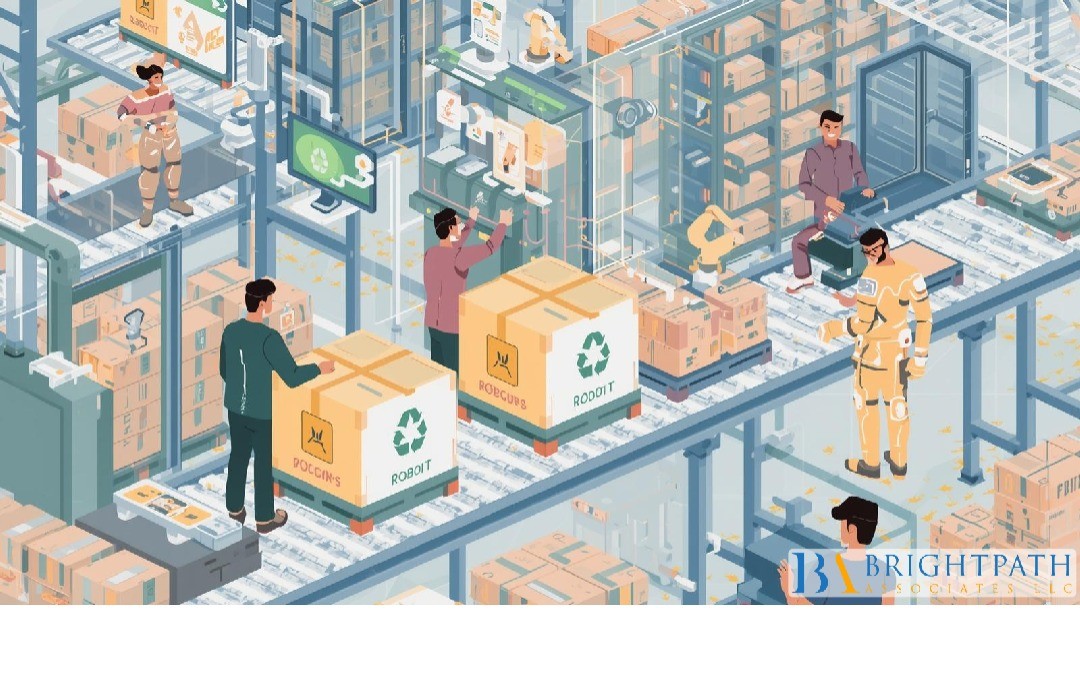
As global markets evolve, the Packaging and Container Industry is experiencing a transformational shift in how work gets done, who performs it, and the skills that define success. Traditional operating models — heavily reliant on manual labor and standardized processes — are giving way to adaptive, intelligent systems powered by automation, data analytics, and cross-disciplinary talent.
For small to mid-sized enterprises competing within this dynamic landscape, understanding the future of work is not just an operational concern — it’s a strategic imperative. Companies that embrace workforce transformation today position themselves to lead tomorrow’s markets with resilience, innovation, and human-centered leadership.
In this article, we explore how the workforce in packaging is being reshaped, why the right talent strategy has never been more critical, and how leaders can navigate this transition with confidence.
Packaging Sector at a Crossroads
The packaging industry sits at the intersection of multiple global forces: evolving consumer preferences, sustainability mandates, supply chain disruptions, and rapid technological innovation. From e-commerce acceleration to circular economy commitments, packaging leaders are tasked with delivering solutions that are:
-
Efficient — optimizing throughput and minimizing waste
-
Agile — adjusting workflows in real time
-
Compliant — meeting regulatory and environmental standards
-
Customer-centric — aligned with market expectations and trends
These pressures are reshaping the way organizations think about labor, skillsets, and organizational structure. To thrive, companies must anticipate future workforce needs rather than react to current gaps. For a broader perspective on industry trends and opportunities shaping this evolution, explore our detailed resource on the Packaging & Containers Industry.
Automation Is Enhancing, Not Replacing, Skilled Work
One of the most profound shifts in the packaging workforce is the integration of automation — from robotics and vision systems to AI-enabled quality control and predictive analytics. While automation often raises concerns about job displacement, the reality within packaging is more nuanced. Automation is not merely replacing human roles — it’s elevating them.
Machines are increasingly responsible for repetitive, hazardous, or precision-based tasks, allowing human workers to focus on functions that require:
-
Problem-solving capabilities
-
Cross-functional collaboration
-
Process optimization and continuous improvement
-
Creative and strategic decision-making
This creates a demand for a new class of workers — individuals who not only understand core packaging operations but can also interface with technology, interpret data, and lead transformational initiatives. Consequently, workforce strategies must emphasize upskilling and reskilling, enabling existing employees to thrive alongside technology rather than be sidelined by it.
Growing Importance of Hybrid Skill Sets
As technological integration deepens, the value of hybrid skill sets is rising. Today’s packaging workforce needs more than just technical expertise — it must blend domain knowledge with digital literacy. Key hybrid competencies include:
-
Data interpretation and analytics – enabling teams to turn sensor data and KPIs into operational insights
-
Digital tooling proficiency – competencies in automation platforms, MES (Manufacturing Execution Systems), and quality monitoring software
-
Critical thinking and systems understanding – essential for diagnosing and resolving complex production challenges
-
Collaborative communication – bridging gaps between engineering, operations, IT, and quality leadership
Retaining and Developing Talent for Long-Term Success
Attraction is only one piece of the puzzle. Retaining talent — particularly in competitive fields — is equally important. Modern employees seek opportunities that offer:
-
Clear career progression
-
Learning and development pathways
-
Collaborative and inclusive work culture
-
Work that aligns with innovation and purpose
Leaders must invest in continuous learning programs that strengthen both technical and soft skills. Mentorship, cross-training opportunities, and direct involvement in transformation initiatives help employees feel valued and prepared for future roles. Cultivating internal talent through strategic development also reduces turnover costs and accelerates workforce readiness, creating an internal pipeline of leaders ready to steer the organization forward.
Leadership’s Role in Workforce Transformation
Workforce evolution doesn’t happen by chance — it starts with leadership. Packaging leaders must:
-
Champion a culture of continuous learning
-
Empower teams with access to new tools and training
-
Redefine performance metrics to value innovation and adaptability
-
Embed strategic workforce planning into broader business goals
Leadership that understands both operational and human elements of transformation can guide the organization through change with empathy, clarity, and purpose — ensuring that teams remain engaged, accountable, and future-ready.
Preparing for Tomorrow — Today
The future of work in the packaging industry is not a distant concept — it’s happening now. Companies that prepare proactively — with robust talent strategies, modern operating models, and leadership commitment — will outperform those that wait. Successful workforce transformation requires:
-
A clear understanding of emerging roles and capabilities
-
Commitment to hybrid skill development and training
-
Strategic recruitment that identifies adaptable leaders and technologists
-
An inclusive culture that attracts, retains, and nurtures top talent
In today’s ecosystem, the right workforce strategy isn’t a support function — it’s a fundamental driver of competitiveness and growth. To revisit the detailed exploration and insights from the original analysis, check out the full article here: Redefining the Workforce: Future of Work in Packaging Industry.
