PV Solar Panel Market Development: New Applications, Grid Integration, and Smarter Renewable Energy
Author : Trisha Solanki | Published On : 14 Aug 2026
Development Is Expanding the Role of Photovoltaic Systems
Solar photovoltaic technology is developing from a relatively straightforward electricity-generation solution into a more interconnected part of modern energy infrastructure. New applications, improved system controls, changing electricity needs, and greater integration with digital technologies are influencing how solar power is planned and used.
The PV Solar Panel Market development is increasingly characterized by diversification. Solar panels are appearing in settings that extend beyond conventional residential rooftops and large ground-mounted farms. Buildings, transportation infrastructure, agricultural areas, water surfaces, remote facilities, and hybrid energy systems are creating additional opportunities for photovoltaic deployment.
This broader application base is changing the way developers, technology providers, utilities, and energy consumers approach solar projects.
Urban Solar Is Finding New Opportunities
Cities present both significant electricity demand and limited land availability. This combination is encouraging greater attention toward using existing structures for solar generation.
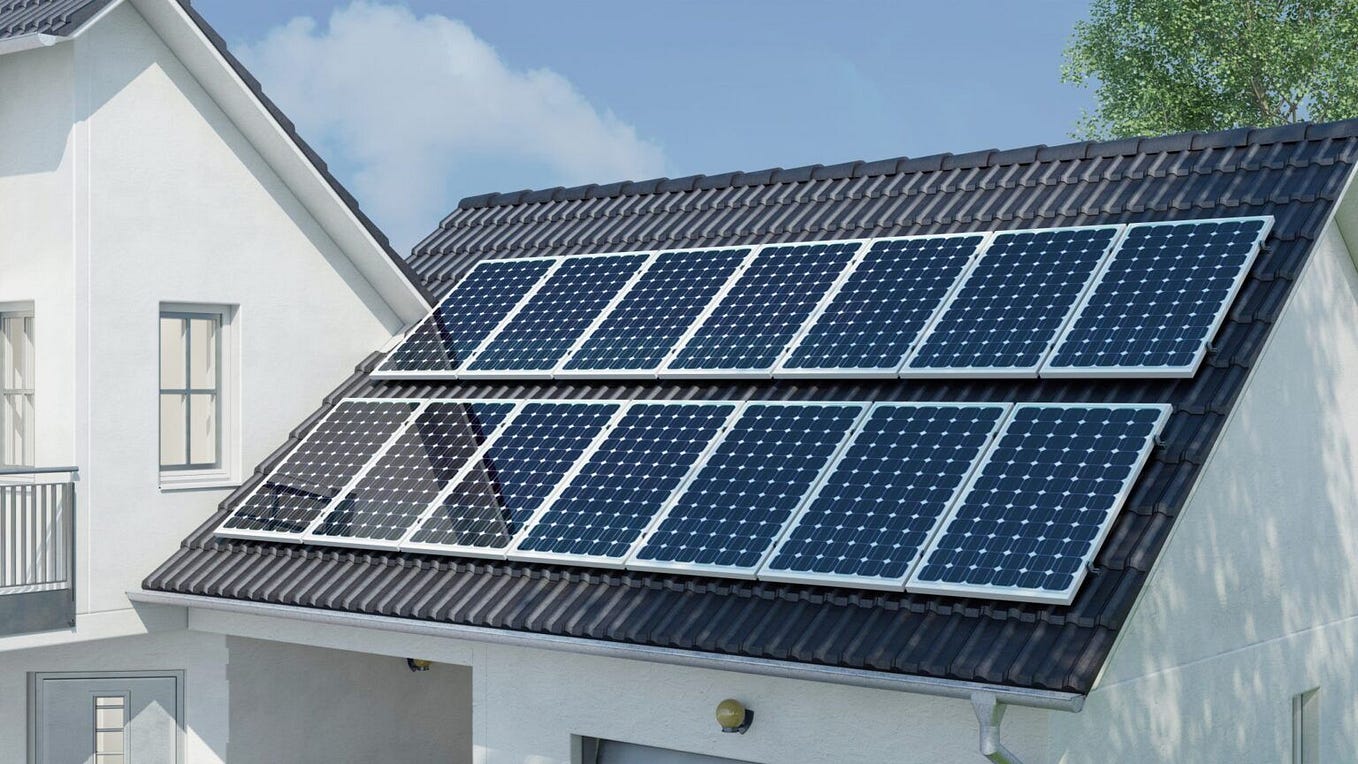
Commercial buildings, apartment complexes, parking facilities, warehouses, schools, and public buildings can provide surfaces that may be suitable for photovoltaic installations. Solar canopies over parking areas offer another possibility by combining electricity generation with covered vehicle spaces.
Building-integrated photovoltaic systems are also opening new design possibilities. Instead of installing conventional panels as separate equipment, photovoltaic elements can be incorporated into selected architectural surfaces.
These approaches can help increase renewable generation without requiring large areas of undeveloped land.
Agricultural Land Is Supporting Dual-Purpose Projects
Agriculture and solar generation are increasingly being considered together through agrivoltaic approaches. These projects place photovoltaic structures in agricultural environments while maintaining suitable conditions for farming activities.
The design can vary depending on crops, climate, equipment requirements, and land characteristics. Panel height, spacing, orientation, and shading levels all need to be considered carefully.
The concept is significant because land can potentially provide both food-production and energy-generation functions. It also encourages collaboration between agricultural operators, solar developers, engineers, and environmental specialists.
Floating Systems Are Expanding Deployment Options
Water-based photovoltaic installations represent another area of development. Floating solar systems can be installed on suitable reservoirs and other controlled water surfaces, creating an alternative to traditional land-based projects.
These systems require specialized engineering because anchoring, water movement, electrical safety, maintenance access, and environmental conditions must be considered.
Their development demonstrates how photovoltaic deployment is becoming increasingly adaptable to local land constraints. Regions with suitable water infrastructure may be able to explore solar generation without dedicating additional large areas of terrestrial land.
Solar Is Becoming More Connected to Storage
The relationship between photovoltaic generation and battery storage is becoming increasingly important. Solar output changes throughout the day, while electricity consumption may continue after sunlight declines.
Battery systems can provide a mechanism for shifting electricity generated during high-production periods to later use. This can create additional flexibility for households, businesses, and larger energy facilities.
Solar-plus-storage systems can also support more sophisticated energy-management strategies. Instead of simply generating electricity whenever sunlight is available, users can manage generation and stored energy according to consumption patterns and system objectives.
Digital Controls Are Changing Energy Management
The development of digital technologies is influencing how photovoltaic systems are monitored and operated. Smart controllers, sensors, software platforms, and connected inverters can provide detailed information about electricity production and system conditions.
Users can monitor generation levels, evaluate consumption, and identify unusual system behavior. Larger installations can use centralized platforms to oversee extensive arrays and coordinate equipment performance.
Digital systems also create opportunities for solar installations to interact more intelligently with batteries, electrical loads, and grid infrastructure.
Grid Integration Is Becoming More Sophisticated
As photovoltaic generation expands, its relationship with electricity networks becomes increasingly important. Solar systems must operate within electrical networks that balance multiple generation sources and constantly changing demand.
Modern power-electronic equipment can provide capabilities that support grid interaction. Advanced inverters can help manage electrical characteristics and enable photovoltaic systems to participate more effectively within modern power networks.
Grid development is therefore becoming an important part of the future solar landscape. Transmission capacity, distribution infrastructure, connection procedures, and network management can all influence how quickly new photovoltaic projects can be integrated.
Remote Solar Systems Can Address Energy Access Needs
Photovoltaic technology can also support locations where conventional electricity infrastructure is limited. Remote telecommunications equipment, isolated facilities, rural operations, emergency systems, and off-grid installations can use solar generation where extending traditional grid connections may be difficult or expensive.
Small solar systems combined with batteries can provide electricity for specific applications without requiring extensive network construction.
This creates a different type of opportunity from utility-scale generation. Instead of supplying electricity to large interconnected networks, photovoltaic systems can provide localized power where reliability and accessibility are particularly important.
Electric Mobility Is Creating Additional Connections
The expansion of electric vehicles is creating another connection between solar generation and electricity consumption. Charging infrastructure requires reliable electricity, while solar systems can provide renewable generation at suitable locations.
Solar-powered charging facilities can be developed at commercial properties, parking areas, workplaces, and other locations where vehicles remain stationary for meaningful periods.
Combining photovoltaic generation, battery storage, and charging equipment can create integrated energy hubs. Such systems demonstrate how solar technology can become connected with transportation infrastructure rather than remaining limited to conventional electricity applications.
Better System Design Is Improving Project Flexibility
Solar projects are increasingly designed around specific site characteristics rather than applying identical configurations everywhere. Developers can evaluate orientation, available space, electricity demand, storage requirements, grid conditions, environmental exposure, and operational objectives before selecting a system architecture.
This approach can improve the suitability of photovoltaic installations for different environments.
System-level thinking is particularly important as solar becomes integrated with buildings, batteries, electric vehicles, agricultural operations, and electricity networks. The panel remains an important component, but its value increasingly depends on how effectively it works with surrounding infrastructure.
The Development Path Ahead
Photovoltaic technology is entering a stage where innovation is increasingly measured by integration and adaptability. New applications are allowing solar generation to occupy spaces and serve purposes that were previously outside conventional photovoltaic planning.
Urban structures, farms, water infrastructure, remote facilities, electric-vehicle charging locations, and smart energy systems can all contribute to the expanding solar ecosystem.
The pv solar panel market reflects this broader transformation, where photovoltaic technology is becoming increasingly connected with storage, digital controls, transportation, agriculture, buildings, and electricity networks.
Future progress will depend on how effectively these technologies can be combined while maintaining reliable performance, practical installation requirements, and sustainable long-term operation. This shift toward integrated energy solutions can give photovoltaic systems a much broader role in the development of modern power infrastructure.
