PRP Therapy for Knee Pain: A Simple Guide for People in Raipur
Author : Muskan Shankara | Published On : 19 Oct 2026
Stairs feel steeper than they used to. The morning walk gets skipped. Slowly, knee pain takes away small joys. If this sounds like you, you are in large company. One Indian study found knee arthritis in about 28.7% of adults above 40. The good news is that you now have more options than “bear it” or “replace it”. One of them is PRP therapy.
What Is PRP Therapy?
PRP stands for platelet rich plasma. Platelets are tiny blood cells that help a cut heal. In this treatment, a doctor takes a little blood from your arm, spins it in a machine to collect the platelet-rich part, and injects it into the painful knee. Because it comes from your own body, the chance of allergy is low. Think of it as a concentrated dose of your knee’s own healing helpers.
Does It Really Work?
Research is encouraging. A meta-analysis published in August 2026 pooled five double-blind trials with 761 patients. It found that PRP reduced knee pain more than placebo over six months. Another 2026 review found better pain and function scores with PRP than with hyaluronic acid alone.
Still, experts do not fully agree. Some major guidelines, such as ACR and OARSI in 2019, did not recommend PRP because the proof was not strong enough then. So PRP is promising, but it is not magic.
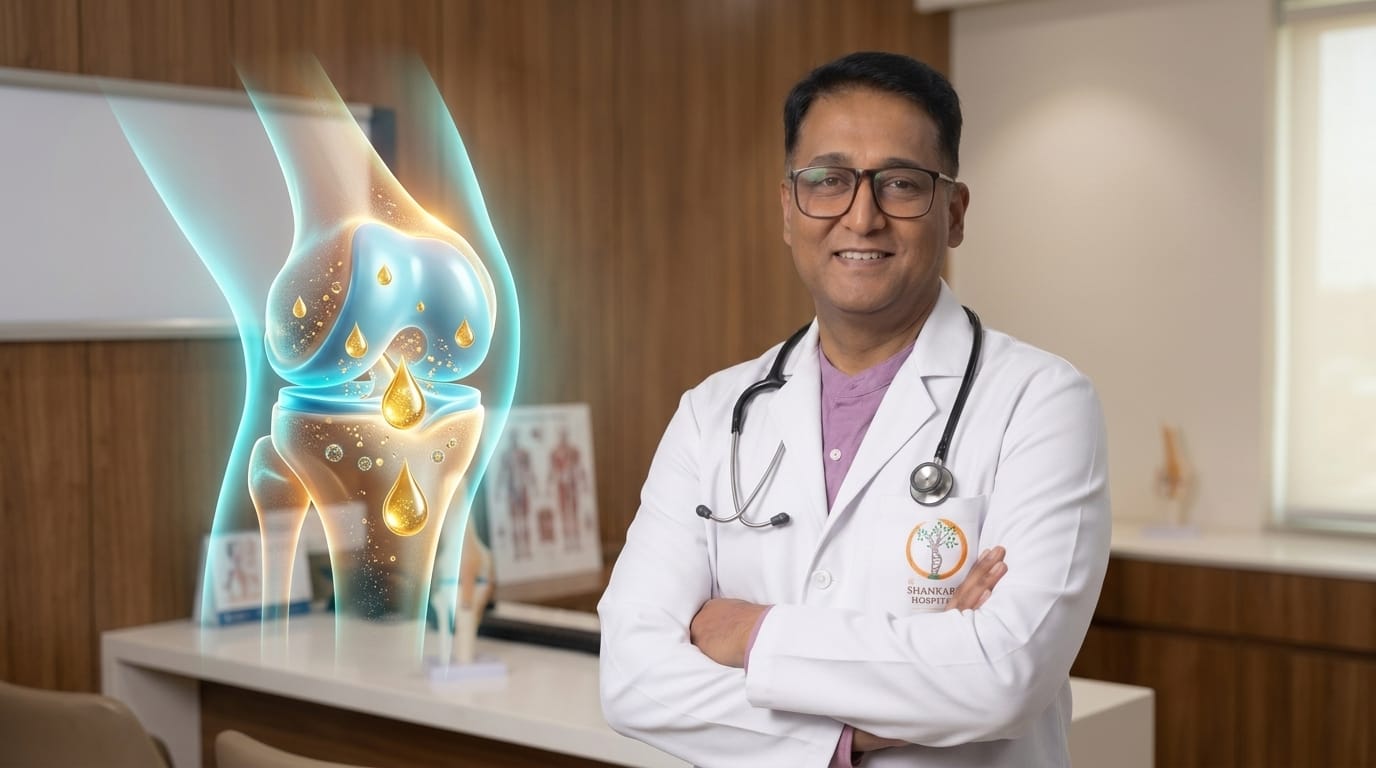
Want to know more about PRP therapy for knee pain? Read the full guide here→
Who May Benefit, and Who May Not
PRP usually suits people with mild to moderate knee arthritis, especially if tablets give only short relief or if they want to delay knee replacement through joint preservation procedures. A 2025 review of six trials with 1,162 patients supports this group.
It is less likely to help a “bone on bone” knee. Tell your doctor first if you have a blood disorder, an infection or cancer, take strong blood thinners, or are pregnant.
What Happens During the Procedure?
It is usually a same-day visit. The doctor checks your knee and reports, takes blood, spins it for a few minutes, cleans the skin, and gives the injection. Many doctors use ultrasound, so the needle reaches the right spot. You rest briefly and go home.
How Long Until You Feel Better?
PRP is slow, not instant. Most people notice a change after 3 to 6 weeks, and the best results often come in 2 to 3 months. Studies commonly use one to three injections, spaced a few weeks apart. Relief can last from several months to a year or more, and some people need a repeat dose.
Aftercare Tips
Rest the knee for a day or two and avoid heavy exercise or running for the first week. Ask your doctor before taking painkillers like ibuprofen or diclofenac, as they may weaken the effect of PRP. Gentle physiotherapy and a healthy body weight help the results last.
Risks to Know About
Soreness, swelling, mild stiffness and bruising for a few days are common. Infection is rare but serious, so a clean, sterile setup matters. Some people also simply do not improve. Call your doctor if you get high fever, severe pain or redness.
PRP Compared with Other Options
Steroid injections work quickly but for a short time. Hyaluronic acid acts like a joint lubricant. Knee replacement is meant for severe arthritis when daily life is badly affected. A 2026 analysis of 18 trials (1,376 patients) also found that PRP combined with hyaluronic acid worked better than PRP alone. The right choice depends on your age, weight, X-ray and daily needs.
Choosing a Doctor in Raipur
Ask whether the doctor is a qualified orthopaedic specialist, how many PRP procedures they have done, whether your X-ray or MRI is reviewed first, and whether they will honestly tell you when PRP is not right for you. Be careful of anyone promising a 100% cure.
Experience and a clear approach matter here. One example in Raipur is Dr. Sachin Kumar Mall (MBBS, MS, MCh, FSS, FIPM, FIJR), Director and Chief Orthopaedic Surgeon at Shri Shankara Hospital, who has over 18 years of experience in joint preservation, regenerative medicine and joint replacement. His clinic website says his care begins with finding the root cause of pain and building a plan around each patient’s lifestyle and mobility goals. That is the kind of approach worth looking for. The hospital offers regenerative medicine options for knee problems, along with surgical care if it is needed.
Finally, ask for the full cost in writing. Prices differ from clinic to clinic, and insurance often does not cover PRP.
Final Thoughts
PRP therapy can be a safe, non-surgical way to ease knee pain when arthritis is early or moderate. It works best with exercise, weight control and the right doctor. If knee pain is slowing you down, get a proper check-up before you decide.
